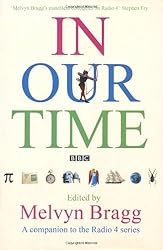
 I began reading In Our Time, A Companion to the Radio 4 series back in August and I’ve been reading short sections on most days since then, finally finishing it this morning. It is long book and I didn’t want to read it quickly.
Melvyn Bragg has selected episodes on a wide variety of subjects encompassing the history of ideas – philosophy, physics, history, religion, literature and science. This book contains transcripts of 26 programmes, a selection from hundreds of programmes broadcast over eleven years. The benefit of having it in book form means that it’s easy to pause, think, or re-read to make sure I was understanding the subject as much as possible.
The programmes are listed on the back cover – Darwin was covered by four programmes:

With such a wide range of subjects it’s not so surprising that I found some more interesting than others, but I was surprised that some that didn’t appeal from the titles were actually fascinating and I now know more about black holes and antimatter than before – how much I can remember is another matter! I’m not alone in this, as Bragg said in the Afterword, his:
… only regret is that in the more testing subject areas he finds that his memory after the programme will not retain some or even much of what made the programme intriguing. (pages 573-4)
But it’s there in print, so I can refresh my memory at any time! I liked the fact that these are transcripts, not formal lectures, so that it comes across as conversations between experts with Bragg, every now and then asking the questions that someone like me, not knowing much about the subject, would want to ask. An ideal book for an eclectic reader!
It’s not easy to pick out highlights as there are so many that fascinated me. As Halloween is approaching I’m remembering the chapter on ‘Witchcraft’, but others as diverse as ‘Tea’, ‘Socrates’ and the four ‘Darwin’ programmes also stand out. And where else could you go from ‘Agincourt’ to ‘Plate Tectonics’?
In Our Time is broadcast each Thursday at 9am on BBC Radio 4. This week’s episode was ‘Rudyard Kipling’. This and all the other programmes are available as downloads.
- Hardcover: 608 pages
- Publisher: Hodder & Stoughton (17 Sep 2009)
- Language: English
- ISBN-10: 0340977507
- ISBN-13: 978-0340977507
- Source: my own copy
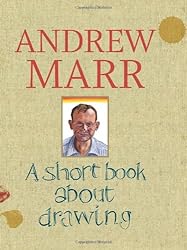

 It was obvious when I looked at my list which two books make a pair:
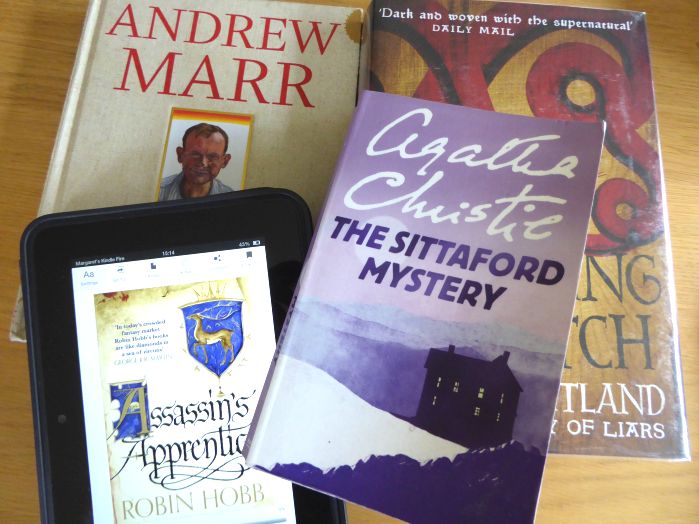



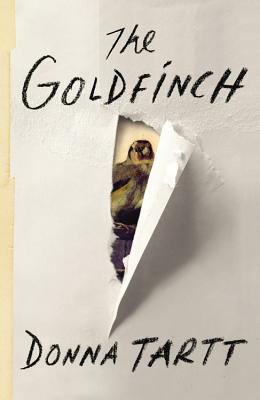 Donna Tartt’s The Goldfinch for example at 771 pages is not a quick read. I’m nearing the end on page 623, but even so my Kindle tells me that it will take me another 2 hours and 38 minutes to finish the book. I’m not sure I really like this feature, maybe it sounds better saying I’ve read 81%, or that I have 148 pages left to read! I began to think this book was too long ages ago, with too much description and too many minor characters, but then I come across sections that have me gripped and wanting to carry on regardless. So, I will be glad to finish it – the story could really have been over pages ago!
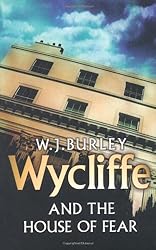 As always I keep looking at my TBRs – those books that I’ve had for a while (years for some of them) and I find myself itching to read them. So this morning whilst my Kindle was re-charging I got Wycliffe and the House of Fear down off the shelves and began that. I think it’s just starting to rain so I’m going to get back to it this afternoon (and maybe read a bit of The Goldfinch too).
 BooksPlease