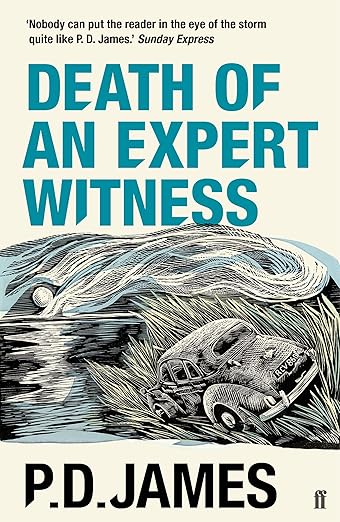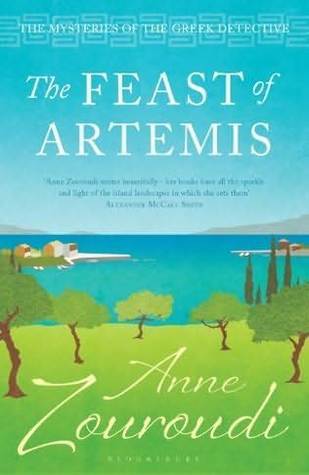
The Feast of Artemis by Anne Zouroudi

Bloomsbury| 2014| 288 pages| paperback| library book| 4 stars

Description

The olive harvest is drawing to a close in the town of Dendra, and when Hermes Diaktoros arrives for the celebratory festival he expects an indulgent day of food and wine. But as young men leap a blazing bonfire in feats of daring, one of them is badly burned. Did he fall, or was he pushed? Then, as Hermes learns of a deep-running feud between two families, one of their patriarchs dies. Determined to find out why, Hermes follows a bitter trail through the olive groves to reveal a motive for murder, and uncovers a dark deed brought to light by the sin of gluttony.

This is the seventh in Anne Zouroudi’s unique series of award-winning books featuring the enigmatic and courteous investigator Hermes Diaktoros, a man as much a mystery as the cases he solves. Who dispatches him to where he’s needed? And on whose authority does he act?

Hermes’s uncertain origins bring an additional level of bafflement to these much-loved stories. Perfect for fans of well-written crime thrillers and armchair travellers alike, they combine compelling suspense with touching portraits of Greek life far away from the tourist hotspots most visitors to Greece know.

‘Firmly in the delicious subgenre of crime-cum-gastroporn pioneered by Andrea Camilleri . . . Essentially gloriously sunny escapism, the perfect holiday read’ – Daily Telegraph

This book is the 7th in Anne Zouroudi’s series about Hermes Diaktoros of Athens, the Greek Detective. Each of the books in the series features one of the Seven Deadly Sins – in this one it is the sin of gluttony. It is set in the town of Dendra, where two families of olive growers, the Papayiannis and the Kapsis, are continuing a long standing feud. It begins on the day the town is celebrating the annual feast day, a festival that replaced an ancient feast in honour of the goddess Artemis. But the feast ends in disaster, when a young boy, Dmitris Kapsis is badly burned jumping a bonfire, either through being pushed or by slipping. The Kapsis family immediately blame the Papayiannis.

Hermes is a detective with a difference. Just who he is and who he works for is never explained. He’s most definitely not a policeman and when asked he says he works for the ‘highest Authorities, whose interests lie in justice where there’s been none. I act on their behalf, in the capacity of what you might call an investigator’ (page 161) . He’s described as ‘the fat man‘:

His owlish glasses gave him an air of academia; under his raincoat, his bark-brown suit was subtly sheened, and expertly tailored to flatter his generous stomach. His pale green polo shirt had a crocodile on the chest, and on his feet he wore white shoes, old fashioned canvas shoes of the type once used for tennis; in his hand was a sportsman’s hold-all in black leather, painted in gold with the emblem of the rising sun. (page 14)

Hermes stays in Dendra, investigating what had happened, together with the death of the head of the Papayiannis family, and the deaths of several townspeople from poisoning, allegedly after eating ice cream from the local gelateria. There are many characters to keep in mind, but this is made easier, by the Dramatis Personae at the beginning of the book. And with so much to investigate there are many twists and turns, but Hermes manages to get to the bottom of all the mysteries and along the way we meet his half-brother Dino, an unkempt and dissolute character, with wine-stained teeth and the smell of alcohol seeping through his pores and the flaking skin on his dry lips black from the wine – an interesting version of the god Dionysus.

I did enjoy reading The Feast of Artemis, following Hermes both as he investigates, enjoys all the Greek foods, learns about the impact of technology on the traditional methods of olive oil production, and interacts with the local people. I loved the descriptions of the Greek town and the surrounding countryside. All in all, a most enjoyable book.
Six Degrees of Separation from In the Heart of the Sea to West with Giraffes

This is a monthly link-up hosted by Kate at Books Are My Favourite and Best. On the first Saturday of every month, a book is chosen as a starting point and linked to six other books to form a chain. Readers and bloggers are invited to join in by creating their own ‘chain’ leading from the selected book.
Books can be linked in obvious ways – for example, books by the same authors, from the same era or genre, or books with similar themes or settings. Or, you may choose to link them in more personal ways: books you read on the same holiday, books given to you by a particular friend, books that remind you of a particular time in your life, or books you read for an online challenge.

A book doesn’t need to be connected to all the other books on the list, only to the ones next to them in the chain.

This month we are starting with the book you finished last month’s chain with, which for me is In the Heart of the Sea The Epic True Story That Inspired Moby Dick by Nathaniel Philbrick.

It’s a nonfiction book telling the incredible story of the wreck of the whaleship Essex in 1820 in the South Pacific. It was repeatedly rammed and sunk by an eighty-ton bull sperm whale. I haven’t read this book yet; it’s one of my TBRs.

My chain begins anothe book with the word heart in the title. It is Heart of Darknessa novella by Joseph Conrad, originally a three-part series in Blackwood’s Magazine in 1899. Although a gripping story, this was not an enjoyable book for me. But then, I suppose, it is not meant to be. Conrad was writing about the inhumanity of the way the native population in Africa was treated; the greed and cruelty of the Europeans to gain property, business, trade and profit, draining Africa of its natural resources. It paints an appalling picture.

 I think it shows the darkest depths of human behaviour. In doing so Conrad highlights the prejudices and the cruelty and shows how it was at that time – the graphic reality of what happened. It is a powerful criticism of colonialism at its worst, and full of imagery, casting a spotlight on the barbarity of the so-called civilised Westerners. These few words, uttered by Kurtz concisely summarise the whole story: ‘The horror! The horror!’

The second book in my chain is also a book set in Africa – Thirteen Hours by Deon Meyer (translated from Afrikaans by K L Seegers), crime fiction set in South Africa, DI Benny Griessel has just 13 hours to crack open a conspiracy which threatens the whole country. Rachel, a young American girl is running for her life up the steep slope of Lion’s Head in Capetown.  The body of another American girl is found outside the Lutheran church in Long Street. Her throat slit had been slit. An hour or so later Alexandra Barnard, a former singing star and an alcoholic, wakes from a drunken stupor to find the dead body of her husband, a record producer, lying on the floor opposite her and his pistol lying next to her.

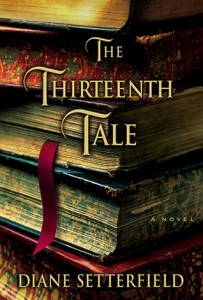
The next book in my chain is The Thirteenth Tale by Diana Setterfield. It took me some time to get into this book and I found myself being both reluctant to read it and yet unable to stop. It was only when I was reading the second part of the book that I found myself actually enjoying it. I usually give up on a book before then. Part of the problem I have with this book is that I couldn’t really like the characters, even Margaret, the narrator irritated me somewhat, even though she loves books. Another problem is the ending, which I found to be contrived.

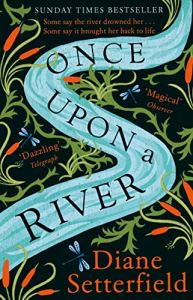
My fourth book is another book by Diana Setterfield that I enjoyed much more than The Thirteenth Tale is Once Upon a River. It is a beautifully and lyrically told story, and cleverly plotted so that I was not completely sure at times what it was that I was reading. It’s historical fiction with a touch of magic that completely beguiled me with its mysteries and fascinating characters. It’s a mystery beginning in the Swan Inn at Radcot, an ancient inn, well-known for its storytelling, on the banks of the Thames. A badly injured stranger enters carrying the drowned corpse of a little girl. It’s mystifying as hours later the dead child, miraculously it seems, takes a breath, and returns to life. The mystery is enhanced by folklore, by science that appears to be magic, and by romance and superstition.

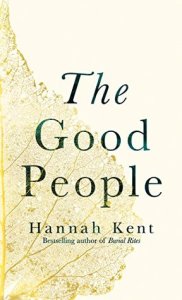
My fifth book is The Good People by Hannah Kent, another beautifully written book, and an intensely moving tale of Irish rural life in the early 19th century. I grew up reading fairy stories but The Good People gives a frighteningly realistic view of what belief in fairies meant to people dealing with sickness, disease, evil and all the things that go wrong in our lives. It’s set in 1825/6, a long gone world of people living in an isolated community, a place where superstition and a belief in fairies held sway. People talk of others being ‘fairy-swept’ or ‘away with the fairies’, and kept with the music and lights, dancing under the fairy hill. This is a beautifully written book. It is not a fairy story, but one in which their existence is terrifyingly real to the people of the valley.

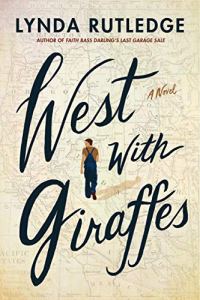
The Good People is based on true events. And my final link is also based on a true event. West with Giraffes by Lynda Rutledge is historical fiction based on fact about two giraffes who miraculously survived a hurricane while crossing the Atlantic. They then travelled across America from the east coast to the San Diego Zoo, during the Great Hurricane of 1938, the most destructive storm to strike New England in recorded history until 2012’s Hurricane Sandy. It conjures up a vivid picture of America in 1938 during the Great Depression, the Dust Bowl, hobo cards, nomadic workers taking jobs where they could, desperate Hooverville dwellers in shanty towns, sundown town racism, and circus animal cruelty. But of course, it is the giraffes that are the two main characters. 

My chain is mainly made up of historical fiction this month travelling from the South Pacific through Africa, England, Ireland and America and from the nineteenth century to the twentieth.

Next month (February 3, 2026) we’ll start with a book that topped lots of 2025 ‘best of’ lists – Flashlight by Susan Choi.

Top Ten Tuesday: Most Recent Additions to My Bookshelf

Top Ten Tuesday is a weekly meme created by The Broke and the Bookish and now hosted by Jana at That Artsy Reader Girl. For the rules see her blog.

The topic today is Most Recent Additions to My Bookshelf.

2026 Nonfiction Reader Challenge

Shellyrae @ Book’d Out is hosting  the 2026 Nonfiction Reader Challenge. The aim of the Challenge is to encourage you to make nonfiction part of your reading experience during the year. For the different goals and categories see this post.

I’m joining this challenge because I want to read more nonfiction next year, so the Nonfiction Grazer goal is perfect for me, ‘Read & review any nonfiction book. Set your own goal, or none at all, just share the nonfiction you read through the year“. This year I read 8 nonfiction books, so for 2026 I’ll be aiming to read and review at least 10 books.

The challenge will run from January 1st to December 31st 2026. Participants may join at any time up until December 1st 2026.

Historical Fiction Reading Challenge 2025

There are just a few days left in the Historical Fiction Reading Challenge 2025 hosted by Marg at The Intrepid Reader & Baker. These are the books I’ve read including those I haven’t reviewed:

  1. Signal Moon by Kate Quinn
  2. The Frozen People by Elly Griffiths
  3. Only Murders in the Abbey by Beth Cowan-Erskine
  4. Murder at Gull’s Nest by Jess Kidd
  5. Resistance by Owen Sheers
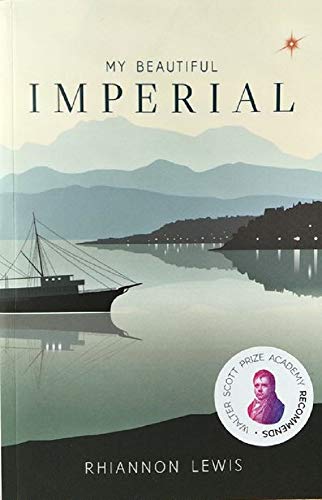
  6. My Beautiful Imperial by Rhiannon Lewis
  7. The House of Lost Whispers by Jenni Keer
  8. The Curious Case of the Village in the Moonlight by Steve Wiley
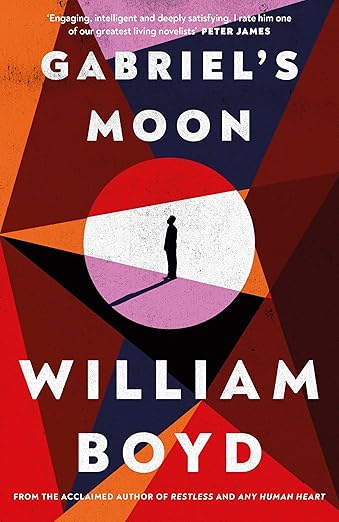
  9. Gabriel’s Moon by William Boyd
  10. The Elopement by Gill Hornby
  11. The Librarian by Salley Vickers
  12. The House of Seymour by Joanna Hickson
  13. Small Wars by Sadie Jones
  14. The Death of Shame by Ambrose Parry
  15. The Predicament by William Boyd
  16. The Seeker of Lost Paintings by Sarah Freethy
  17. The Ghost Cat by Alex Howard
  18. A Legacy of Secrets by Lulu Taylor
  19. Christine Falls by Benjamin Black
  20. Circe by Madeleine Miller
  21. West with Giraffes by Lynda Rutledge
  22. 10 Minutes 38 Seconds in This Strange World by Elif Shafak
  23. Fire from Heaven by Mary Renault

I was aiming to reach the Medieval Level – 15 books, but exceeded that so next year I’ll be aiming to reach the Ancient History Level – 25 books – and to review all of them!

In 2025 … My Life in Books

Over the years I’ve done several versions of this tag. This one was created by Shelleyrae of Book’d Out. Links from each title will take you to my book review.

Complete the prompts using titles from the books you have read in 2025 to complete the sentence to describe your life in the past year.

2025 was the year ofSense and Sensibility by Jane Austen

In 2025 I wanted to be: By Your Side by Ruth Jones

In 2025 I wasThe Librarian by Salley Vickers (I was a librarian)

In 2025 I gainedResistance by Owen Sheers

In 2025 I lostMy Beautiful Imperial by Rhiannon Lewis

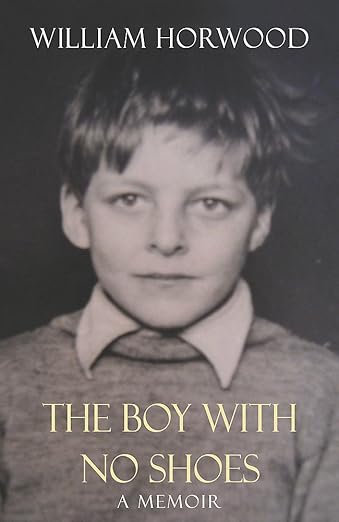
In 2025 I lovedThe Boy With No Shoes: a Memoir by William Horwood

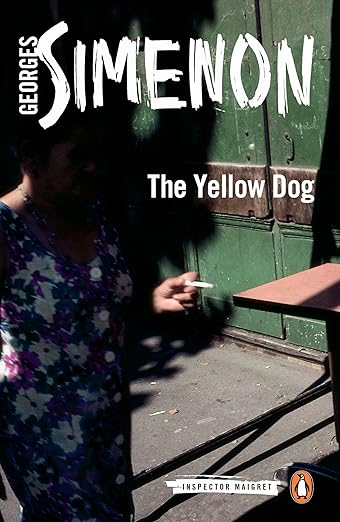
In 2025 I hatedThe Yellow Dog by Georges Simenon (I didn’t hate this book!)

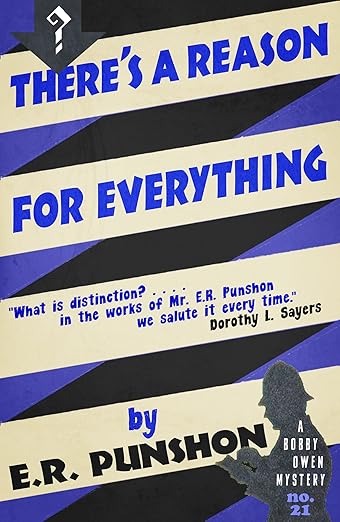
In 2025 I learnedThere’s a Reason for Everything by E R Punshon

In 2025 I was surprised byThe Singing Sands by Josephine Tey

In 2025 I went to: The House of Lost Whispers by Jenni Keer

In 2025 I missed out on (going)West with Giraffes by Lynda Rutledge

In 2025 my family were: The Frozen People by Elly Griffiths

In 2026 I hope (for)Gabriel’s Moon by William Boyd