Book Beginnings & The Friday 56: The Honourable Schoolboy by John le Carré 

Every Friday Book Beginnings on Friday is hosted by Gillion at Rose City Reader where you can share the first sentence (or so) of the book you are reading. You can also share from a book you want to highlight just because it caught your fancy.

This week I’m featuring one of the books I’ve just started to read – The Honourable Schoolboy by John le Carré, a Cold War spy thriller, the sequel to Tinker, Tailor, Soldier Spy. It’s based in the Far East in the mid 1970s.
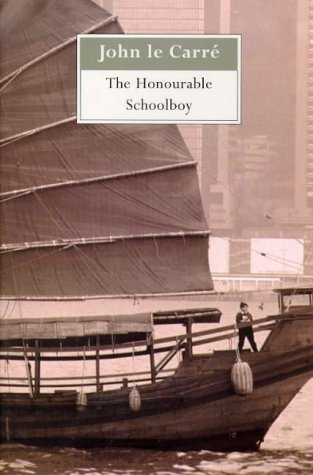
The Book Begins:

Afterwards in the dusty little corners where London’s secret servants drink together, there was argument about where the Dolphin case history should really begin.
I like this opening sentence – it focuses attention immediately on the Dolphin case – what was it and where did it begin? I hope all will become clear.

Also every Friday there is The Friday 56, hosted by Freda at Freda’s Voice. *Grab a book, any book. *Turn to Page 56 or 56% on your  ereader . If you have to improvise, that is okay. *Find a snippet, short and sweet, but no spoilers!

Only George Smiley, said Roddy Martindale, a fleshy Foreign Office wit, could have got himself appointed captain of a wrecked ship. Only Smiley, he added, could have compounded the pains of that appointment by choosing the same moment to abandon his beautiful, if occasionally errant, wife.

At first or even second glance George Smiley was ill-suited to either part, as Martindale was quick to note. He was tubby and in small ways hopelessly unassertive. A natural shyness made him from time to time pompous and to men of Martindale’s flamboyance his unobtrusiveness acted as a standing reproach.

Surely, unobtrusiveness is just the quality a good spy needs.

Summary

In the second part of John le Carré’s Karla Trilogy, the battle of wits between spymaster George Smiley and his Russian adversary takes on an even more dangerous dimension.

George Smiley, now acting head of the Circus, must rebuild its shattered reputation after one of the biggest betrayals in its history. Using the talents of journalist and occasional spy Jerry Westerby, Smiley launches a risky operation uncovering a Russian money-laundering scheme in the Far East. His aim: revenge on Karla, head of Moscow Centre and the architect of all his troubles.

John Le Carré’s Books

I have been having a sort out of both my physical and e-books and realised I have several books by John Le Carré, that I’d like to read sometime this year. I have three ‘real’ books by him and nine e-books. I’ve only read two (three now April 2022) of them!

Books shown in bold are the ones I’ve read and those in italics are the ones I own that I have yet to read. There are nine books in the Smiley series, in which the character George Smiley appears (in four out of the nine, Smiley is only a minor character). Within that series is the The Karla Trilogy (Books 5, 6 & 7).

Smiley
   1. A Call for the Dead (1961) – TBR (ebook)
   2. A Murder of Quality (1962) – TBR (ebook)
   3. The Spy Who Came in from the Cold (1963) read
   4. The Looking Glass War (1965)
   5. Tinker, Tailor, Soldier, Spy (1974) read
   6. The Honourable Schoolboy (1977) read (paperback)
   7. Smiley’s People (1979) TBR (ebook)
   8. The Secret Pilgrim (1990)
   9. A Legacy of Spies (2017)

Standalone novels:

  1. A Small Town in Germany (1968)
  2. The Naive and Sentimental Lover (1971)
  3. The Little Drummer Girl (1983) – TBR (ebook)
  4. A Perfect Spy (1986) – TBR (ebook)
  5. The Russia House (1989)
  6. The Night Manager (1993) – TBR (ebook)
  7. Our Game (1995)
  8. The Tailor of Panama (1996)
  9. Single and Single (1999)
  10. The Constant Gardener (2000)- TBR (paperback)
  11. Absolute Friends (2003)
  12. The Mission Song (2006)
  13. A Most Wanted Man (2008)
  14. Our Kind of Traitor (2010) – TBR (ebook)
  15. A Delicate Truth (2013)
  16. Agent Running in the Field (2019)
  17. Silverview (2021)

As I’ve read Tinker, Tailor, Soldier Spy, the next one I’ll read is The Honourable Schoolboy.

Summary

In this classic masterwork, le Carré expands upon his extraordinary vision of a secret world as George Smiley goes on the attack.

In the wake of a demoralizing infiltration by a Soviet double agent, Smiley has been made ringmaster of the Circus (aka the British Secret Service). Determined to restore the organization’s health and reputation, and bent on revenge, Smiley thrusts his own handpicked operative into action. Jerry Westerby, “The Honourable Schoolboy,” is dispatched to the Far East. A burial ground of French, British, and American colonial cultures, the region is a fabled testing ground of patriotic allegiances and a new showdown is about to begin.

And after that as I did enjoy watching the TV adaptation of The Night Manager a while back, I might read that later on.

Library Books: February 2022

The mobile library service is back to normal now and I borrowed these books this week:

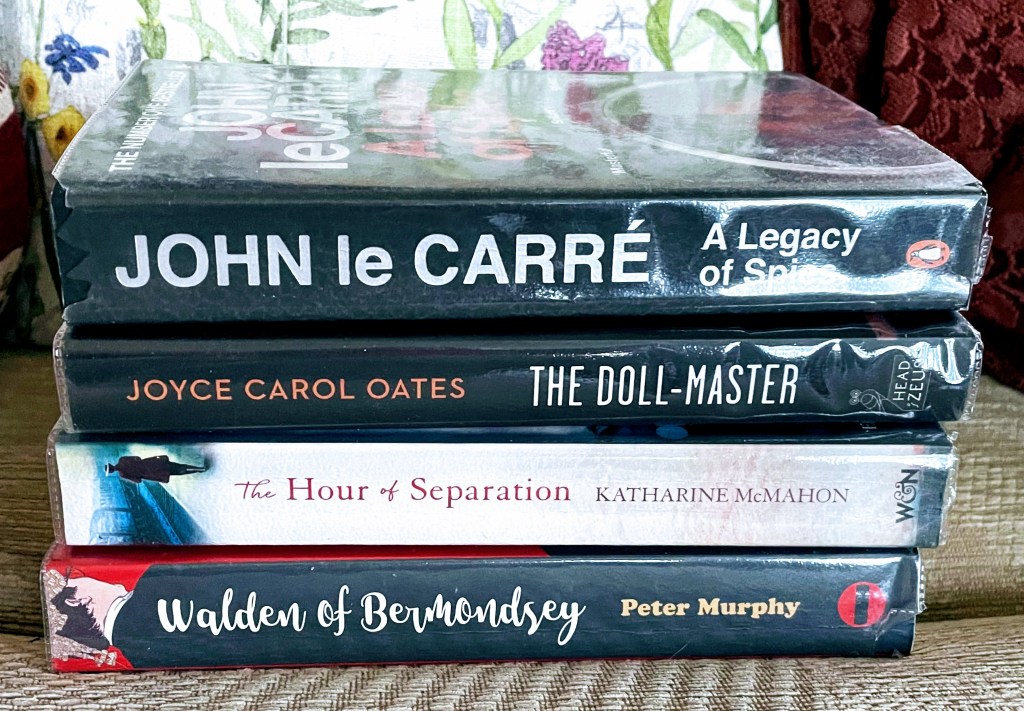
From top to bottom they are:

A Legacy of Spies by John Le Carré. It’s the 9th book in his George Smiley series. I’m not sure about reading this one yet as I’ve only read 2 of the series, The Spy Who Came in from the Cold and Tinker, Tailor, Soldier, Spy. But whilst it was there on the shelves I decided to borrow it and at least start it to see if it reads like a standalone. And according to this article on the Penguin website all five of novels in the Smiley series are easily read as standalones. You do not need to read them in order but they do suggest a reading order.

Book description: Peter Guillam, former disciple of George Smiley in the British Secret Service, has long retired to Brittany when a letter arrives, summoning him to London. The reason? Cold War ghosts have come back to haunt him. Intelligence operations that were once the toast of the Service are to be dissected by a generation with no memory of the Berlin Wall. Somebody must pay for innocent blood spilt in the name of the greater good . . .

The Doll-Master and Other Tales of Terror by Joyce Carol Oates. I’m not sure I want to read this book – it’s described on the back cover as ‘Six terrifying tales to chill the blood’.They may be too terrifying! But I have enjoyed her books before, so maybe this one will be OK.

Book description: .

In the title story, a young boy becomes obsessed with his cousin’s doll after she tragically passes away from leukemia. As he grows older, he begins to collect “found dolls” from the surrounding neighborhoods and stores his treasures in the abandoned carriage house on his family’s estate. But just what kind of dolls are they?

In “Gun Accident”, a teenage girl is thrilled when her favorite teacher asks her to house-sit, even on short notice. But when an intruder forces his way into the house while the girl is there, the fate of more than one life is changed forever.

In “Equatorial”, set in the exotic Galapagos, an affluent American wife experiences disorienting assaults on her sense of who her charismatic husband really is, and what his plans may be for her.

The Hour of Imagination by Katharine McMahon. I borrowed this because I’ve read two of her books and enjoyed them.

Book description: Estelle never really knew her mother, Fleur, but is haunted by her legacy. A legendary resistance heroine in the Great War, she had helped Allied soldiers escape from Belgium – and was not alone in paying a terrible price.

Christa’s father was one of those Fleur saved – but he returned home a ruined man. So, when Estelle arrives on Christa’s doorstep hungry for information about her mother, an intense and complex friendship is ignited.

In 1939, as conflict grips Europe once more, Estelle follows her mother’s destiny. Then Christa discovers that Fleur was betrayed by someone close to her and the truth may destroy them all…

Walden of Bermondsey by Peter Murphy. I’ve not read any of his books, so this is unknown territory for me. Peter Murphy spent a career in the law, as an advocate, teacher, and judge. He has worked both in England and the U.S., and served for several years as counsel at the Yugoslavian War Crimes Tribunal in The Hague. This book is the first in his Judge Walden series.

Book description: When Charlie Walden takes on the job of Resident Judge of the Bermondsey Crown Court, he is hoping for a quieter life. But he soon finds himself struggling to keep the peace between three feisty fellow judges who have very different views about how to do their jobs, and about how Charlie should do his. And as if that’s not enough, there’s the endless battle against the “Grey Smoothies”: the humorless grey-suited civil servants who seem determined to drown Charlie in paperwork and strip the court of its last vestiges of civilization. No hope of an easy life for Charlie then, and there are times when his real job – trying the challenging criminal cases that come before him – actually seems like light relief.

I’d love to know what you think – have you read any of these books, if so did you enjoy them? If not, do they tempt you?

Top Ten Tuesday: A Freebie -Spy Thrillers

Top Ten Tuesday is a weekly meme created by The Broke and the Bookish and now hosted by Jana at That Artsy Reader Girl. For the rules see her blog. The topic this week is a Freebie so my ten this week are Spy Thrillers. I’ve read all of these, except for An Officer and a Spy, which is one of my to-be-read books:

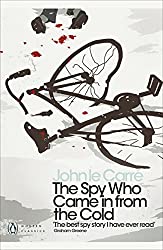
The Spy Who Came in from the Cold by John le Carré set in the 1960s. Alex Leamas, an aging British intelligence agent, who has beenout in the cold’ for years, spying in the shadow of the Berlin Wall for his British masters, is ordered to discredit an East German official. 

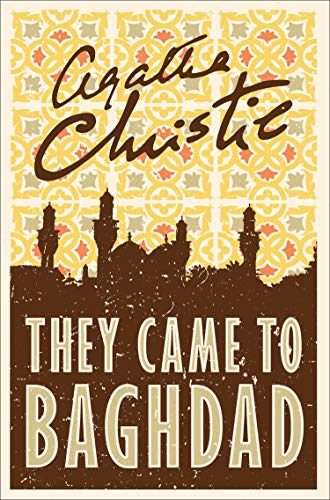
They Came to Baghdad by Agatha Christie – set in 1950 this is a story about international espionage and conspiracy. No Miss Marple of Poirot, just Victoria Jones, a short-hand typist, a courageous girl with a tendency to tell lies. She gets involved in a plot to sabotage a secret summit of superpowers is to be held in Baghdad.

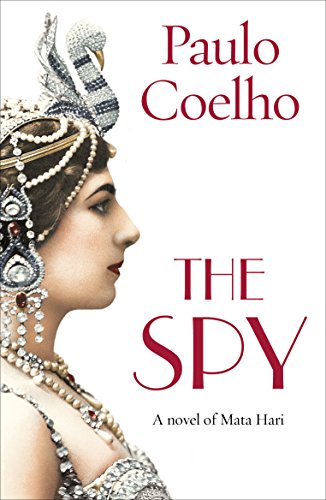
The Spy by Paul Coelho, a fictionalised biography of Mata Hari, who was an exotic dancer, executed as a spy during the First World War in October 1917.

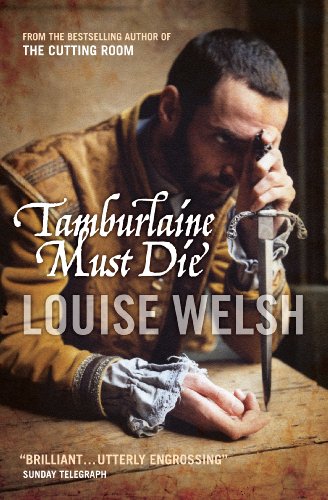
Tamburlaine Must Die by Louise Welsh, set in May 1593, this a tense, dramatic story of the last days of Christopher Marlowe, playwright, poet and spy. 

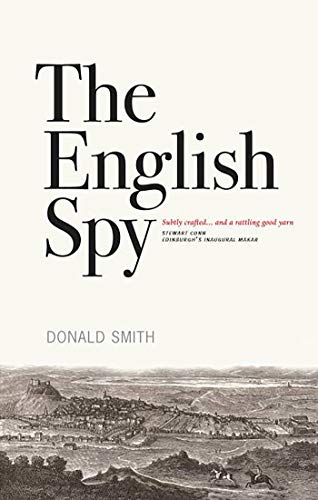
The English Spy by Donald Smith tells the story of how Daniel Defoe was sent to Scotland in 1707 under secret instructions from the English government to persuade the Scots to give up their independence. 

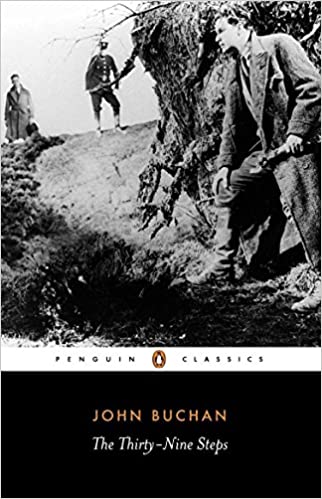
The Thirty Nine Steps by John Buchan, a spy thriller, set in 1914 just before the outbreak of the First World War, in which Richard Hannay finds Scudder, a spy, murdered in his London flat. Fearing for his own life he goes on the run, chased by villains in a series of exciting episodes, culminating in the discovery of the location of the ‘thirty-nine steps’.

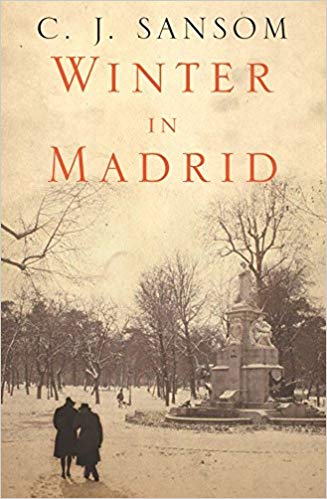
Winter in Madrid by C J Sansom -an action packed thrilling war/spy story and also a moving love story and historical drama all rolled into this tense and gripping novel. Harry Brett, traumatised by his injuries at Dunkirk is sent to Spain to spy for the British Secret Service. 

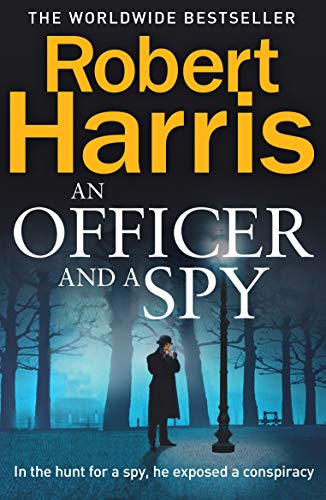
An Officer and a Spy by Robert Harris, a fictionalised account of the Dreyfus affair. Dreyfus was a French military officer convicted of spying for the Germans in 1895. He is sentenced to a lifetime of solitary confinement on Devil’s Island.

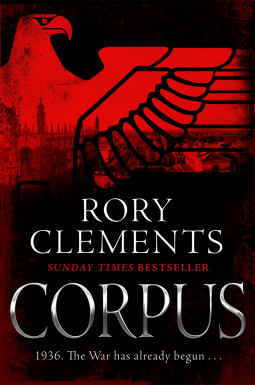
Corpus by Rory Clements a spy thriller set in the 1936. I was immersed in the mysteries, with spies, communists and Nazis, Spanish Gold, Soviet conspirators, politicians and academics all intricately woven into the plot.

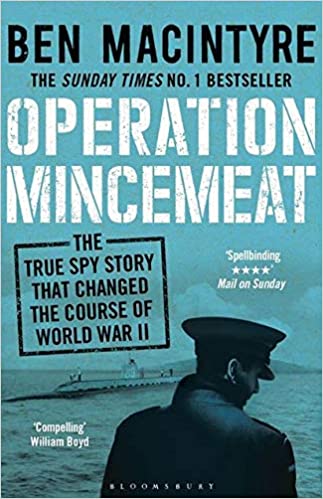
Operation Mincemeat: The True Spy Story that Changed the Course of World War II by Ben Macintyre about the Allies’ deception plan codenamed Operation Mincemeat in 1943, which underpinned the invasion of Sicily. It was framed around a man who never was.

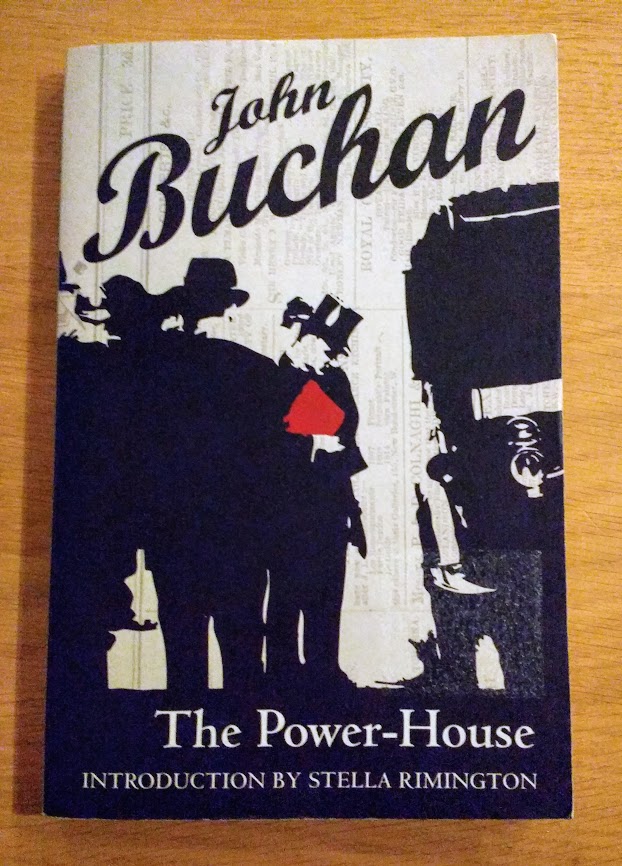
The Power-House by John Buchan

As usual I am behind with writing book reviews, but whilst it is still relatively fresh in my mind I’m going to begin catching up with the latest book I read. It’s only short – 108 pages – and I enjoyed it far more than I thought I would.

Rating: 5 out of 5.

John Buchan’s The Power-House, was written in 1913 when it was serialised in Blackwood’s Magazine and then published in book form in 1916. In her Introduction to the Polygon Books edition Stella Rimington described it as:

Pure essence of Buchan – a demonstration of his magical power to weave a tale out of no materials but the threads and colours of his imagination. It does, however, possess a theme – John Bunyan’s idea, in Pilgrim’s Progress, of men of goodwill and courage struggling with an intelligent, evil power at the root of all the world’s troubles and confessions. (page vii)

The narrator is Edward Leithen, a barrister and MP. His friend and fellow MP Tommy Deloraine tells him is off to Moscow to track down one of their Oxford contemporaries, Charles Pitt-Heron, who had disappeared without letting his wife where he was going. He told her he’d be home for luncheon, but never came back. Whilst Tommy goes off in pursuit of Pitt-Heron, Leithen stays in London, but soon his curiosity draws him into the mystery, because, as he tells himself, ‘every man at the bottom of his heart believes that he is a born detective.’ And so, having collected a few items of information merely by accident and coincidence, he finds the connecting link between them in the person of Andrew Lumley, a wealthy Englishman. Lumley, an elderly man, with menacing, pale eyes, hidden behind his tinted glasses is the key to the whole mystery.

Just as Hannay in Buchan’s later novel, The Thirty-nine Steps, meets the villain Von Schwabing in the library of his country house, so Leithen meets Lumley in his gentleman’s country house, High Ashes, in his library. The two men dine together and then settle themselves in armchairs to smoke cigars and proceed to talk about many things. Leithen is perplexed by him and his speculations on the nature of civilisation, and of power.

I was struck by these thoughts: Lumley states that civilisation is a conspiracy to which Leithen responds that it is in the interests ‘of all the best brains in the world to keep up the conspiracy.‘ To which Lumley replies:

Do we really get the all the best brains working on the side of the compact? Take the business of Government. When all is said, we are ruled by amateurs and the second-rate. The methods of our departments would bring any private firm to bankruptcy. The methods of Parliament – pardon me – would disgrace any board of directors. Our rulers pretend to buy expert knowledge, but they never pay the price of it that a business man would pay, and if they get it they have not the courage to use it. (pages 33 -34)

Lumley continues in this vein and concludes that what is needed is some sort of Power-House to start the ‘age of miracles‘. Leithen is unsettled, to say the least, by his talk and his ‘eerie persuasiveness’.

From an somewhat slow start and a middle consisting mainly of conversation, the novel then picks up pace dramatically. Just as in The Thirty-nine Steps when Hannay goes on the run, fearing for his life, over the moors, so Leithen, in danger of his life, flees his pursuers through the streets of London, as he is lured in deserted buildings, taxis and a decidedly dodgy restaurant. He realises how thin the protection of civilisation is and how there were dozens of ways of spiriting him out of ‘this gay, bustling world‘, alone in a crowd with no one to help him, only his own wits.

Buchan tells a good story, even if I had little idea what the Power-House really was. It’s an international anarchist network, but who they were, what they were actually after, or how they hoped to achieve their ends was never clear to me. But I really enjoyed this book. As Stella Rimington says it has an ‘intoxicating blend of madness with scents of home and countryside.’ And

… the thinness of the crust of civilisation, whatever that may be these days, is as relevant in our time as it was when Buchan was writing in the early war-torn years of the twentieth century. (page xi)

WWW Wednesday: 12 February 2020

IMG_1384-0

WWW Wednesday is run by Taking on a World of Words.

The Three Ws are:

What are you currently reading?
What did you recently finish reading?
What do you think you’ll read next?

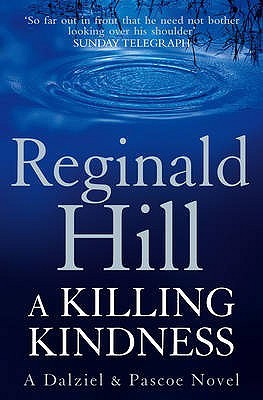
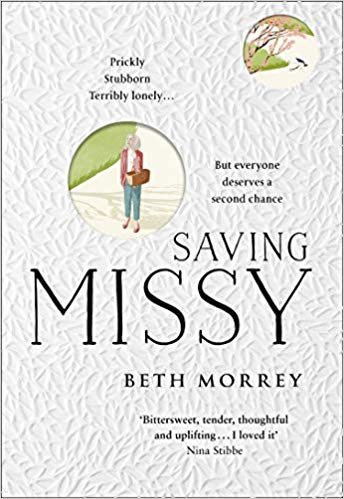
A killing kindnessSaving MisseyCurrently reading: I’m reading A Killing Kindness, a murder mystery, the 6th Dalziel and Pascoe book by Reginald Hill and enjoying it very much.  I’m also reading Saving Missy by Beth Morrey, which I’m also enjoying. It’s a feel good story and very different from A Killing Kindness. Missy Carmichael’s life has become small. Grieving for a family she has lost or lost touch with, she’s haunted by the echoes of her footsteps in her empty home; the sound of the radio in the dark; the tick-tick-tick of the watching clock.

Happy Old Me

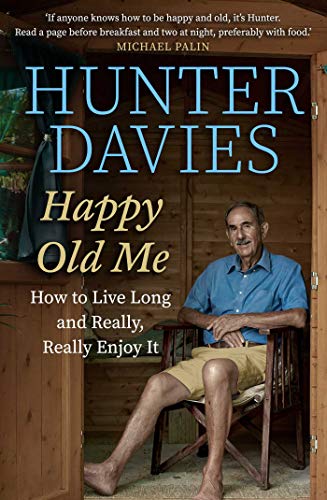
Recently Finished: Happy Old Me: How to Live a Long Life and Really Enjoy It by Hunter Davies. This is an account of one year in his life after his wife, Margaret Forster died – poignant, moving and very interesting. I’ll write more about later on.

Reading Next: This is a movable feast, as I rarely decide until the time comes.

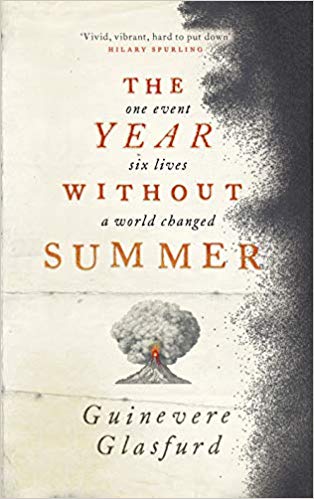
It could be The Year Without Summer by  Guinevere Glasfurd. 

Year without summer

Blurb:

1815, Sumbawa Island, Indonesia
Mount Tambora explodes in a cataclysmic eruption, killing thousands. Sent to investigate, ship surgeon Henry Hogg can barely believe his eyes. Once a paradise, the island is now solid ash, the surrounding sea turned to stone. But worse is yet to come: as the ash cloud rises and covers the sun, the seasons will fail.

1816
In Switzerland, Mary Shelley finds dark inspiration. Confined inside by the unseasonable weather, thousands of famine refugees stream past her door. In Vermont, preacher Charles Whitlock begs his followers to keep faith as drought dries their wells and their livestock starve.

In Suffolk, the ambitious and lovesick painter John Constable struggles to reconcile the idyllic England he paints with the misery that surrounds him. In the Fens, farm labourer Sarah Hobbs has had enough of going hungry while the farmers flaunt their wealth. And Hope Peter, returned from the Napoleonic wars, finds his family home demolished and a fence gone up in its place. He flees to London, where he falls in with a group of revolutionaries who speak of a better life, whatever the cost. As desperation sets in, Britain becomes beset by riots – rebellion is in the air.

The Year Without Summer is the story of the books written, the art made; of the journeys taken, of the love longed for and the lives lost during that fateful year. Six separate lives, connected only by an event many thousands of miles away. Few had heard of Tambora – but none could escape its effects.

Or it could be one of my TBRs – I simply don’t know yet.

Have you read any of these books?  Do any of them tempt you?