Six Degrees of Separation from The Poisonwood Bible to …

I love doing Six Degrees of Separation, a monthly link-up hosted by Kate at Books Are My Favourite and Best. Each month a book is chosen as a starting point and linked to six other books to form a chain. A book doesn’t need to be connected to all the other books on the list, only to the one next to it in the chain.

This month the chain begins with The Poisonwood Bible by Barbara Kingsolver, one of my favourite books. I’ve read it several times.

The Poisonwood Bible

Told by the wife and four daughters of Nathan Price, a fierce evangelical Baptist who takes his family and mission to the Belgian Congo in 1959, The Poisonwood Bible is the story of one family’s tragic undoing and remarkable reconstruction over the course of three decades in postcolonial Africa.

I bought The Poisonwood Bible in Gatwick airport bookshop just before boarding a plane to go on holiday. So my first link in the chain is to another book I bought in an another airport bookshop waiting to board another plane:

Fortune's Rocks

It’s Fortune’s Rocks by Anita Shreve. I had never heard of Anita Shreve, but I liked the look of this book – and the fact that it’s a chunky book of nearly 600 pages, good to read on holiday. It’s set in the summer of 1899 when Olympia Biddeford and her parents are on holiday at the family’s vacation home in Fortune’s Rocks, a coastal resort in New Hampshire. She is fifteen years old and this is the story of her love affair with an older man.

When I looked at it today, I saw that it’s written in the present tense. Recently I’ve been writing about my dislike of the present tense – but I obviously haven’t always disliked it, because I remember really enjoying this book.

Wolf Hall (Thomas Cromwell, #1)

Another book written in the present tense that I loved is Wolf Hall by Hilary Mantel, the story of Thomas Cromwell, the son of a blacksmith, and his political rise, set against the background of Henry VIII’s England and his struggle with the Pope over his desire to marry Anne Boleyn. Historical fiction is one of my favourite genres, which takes me to my next link, another book set in the reign of Henry VIII –

Lamentation (Matthew Shardlake, #6)

Lamentation by C J Sansom set in 1546, the last year of Henry VIII’s life. Shardlake, a lawyer is asked by Queen Catherine (Parr) for help in discovering who has stolen her confessional book, Lamentation of a Sinner. It evokes the people, the sights, smells and atmosphere of Henry’s last year and at the same time it’s an ingenious crime mystery, full of suspense and tension.
Barnaby Rudge

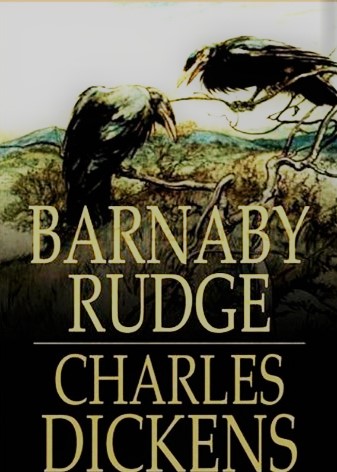
The next book also combines historical and crime fiction – Barnaby Rudge by Charles Dickens, set in 1780 at the time of the Gordon Riots.  It’s a story of mystery and suspense which begins with an unsolved double murder and goes on to involve conspiracy, blackmail, abduction and retribution.

Barnaby Rudge is a simple young man, living with his mother. His pet raven, Grip goes everywhere with him. He’s a most amazing bird who can mimic voices and seems to have more wits about him than Barnaby. Grip is based on Dickens’s own ravens, one of whom was also called Grip.

Ravens form the next link-

The Raven's Head

to The Raven’s Head by Karen Maitland, set in 1224 in France and England about Vincent, an apprentice librarian who stumbles upon a secret powerful enough to destroy his master. He attempts blackmail but when this fails Vincent goes on the run in possession of an intricately carved silver raven’s head. The plot revolves around the practice of alchemy – the search for a way to transform the base soul of man into pure incorruptible spirit, as well as the way to find the stone, elixir or tincture to turn base metals into precious metals.

And finally to the last link in this chain another book featuring alchemy –

Crucible (Alexander Seaton, #3)

Crucible by S G MacLean, the third of her Alexander Seaton books. Set in 1631 in Aberdeen Robert Sim, a librarian is killed. Alexander investigates his murder and finds, amongst the library books, works on alchemy and hermetics – the pursuit of ancient knowledge and the quest for ‘a secret, unifying knowledge, known to the ancients’ since lost to us. S G MacLean’s books are full of atmosphere. I think her style of writing suits me perfectly, the characters are just right, credible well-rounded people, and the plot moves along swiftly with no unnecessary digressions.

My chain this month has travelled from Africa to Scotland via America and England, and spans the years from the 13th century to the mid 20th century. It has followed a missionary and his family, a teenager in love with an older man, and looked in on power struggles in Tudor England, and the pursuit of the secret to turn metal into gold.

Links are: books I bought to read on holiday, books in the present tense, crime fiction and historical fiction (and a combination of these genres), ravens and alchemy.

Next month  (June 2, 2018), we’ll begin with  Malcolm Gladwell’s debut (and best seller), The Tipping Point, a book and author I’ve never come across before.

Why We Sleep by Matthew Walker

Penguin Books|4 January 2018|368 p|e-book |Review copy|4*

I have read several books and watched TV programmes on sleeping, but Why We Sleep: the New Science of Sleep and Dreams is one of the most in depth and thorough books on the subject that I’ve come across. It is fascinating and disturbing in equal measures.

It emphasises how important sleep is to our health. Eight hours sleep each night will improve your immune system, help prevent infection, regulate your appetite, lower blood pressure, maintain your heart in fine condition, improve your ability to learn, memorise and make logical decisions.

But be warned if you don’t get eight hours sleep you run the risk of doubling your risk of cancer, of increasing your risk of developing Alzheimer’s disease, diabetes, cardiovascular disease, strokes, and heart attacks, and insufficient sleep contributes to all major psychiatric conditions, including depression, anxiety and suicidal tendencies. It is a terrifying scenario as every major disease in the developed world has very strong causal links to deficient sleep.

Matthew Walker is professor of neuroscience and psychology at the University of California, Berkeley, where he is director of the Center for Human Sleep Science. He goes into great detail examining every aspect of the subject looking at what sleep is, how we sleep, as well as why we should sleep and the external factors that cause poor sleep. There are sections on sleep deprivation, sleeping pills, insomnia and other sleep disorders and on dreams – creativity and dream control. He also considers the sleep requirements of babies, children, teenagers and the elderly.

There are a number of things I highlighted as I read the book, including:

  • sleep is the foundation of good health
  • every major system, tissue and organ of your body suffers if your sleep is short
  • the shorter your sleep, the shorter your life
  • the less you sleep you’re more likely to put on weight
  • sleeping six hours or less increases your risk of developing cancer by 40%
  • routinely sleeping less than six or seven hours a night demolishes your immune system, more than doubling your risk of cancer

He cites the World Health Organization’s and the National Sleep Foundation’s stipulation of an average of eight hours of sleep for adults. So, what can you do to improve your sleep if you don’t get eight hours? I really want to know. Walker refers to behavioural methods for improving sleep, such as cognitive behavioural therapy intended to break bad sleep habits, obvious methods such as reducing caffeine and alcohol intake, removing LED devices from the bedroom and having a cool bedroom. Other things to establish – having a regular bedtime, only going to bed when sleepy, avoid sleeping in the early/mid evenings and daytime napping etc, etc – nothing I haven’t come across before.

Why We Sleep is full of fascinating facts, but at times it is repetitive with lots of detail about sleep experiments that made me worried about the effects on those people who undertook them. Matthew Walker is most certainly on a mission to educate people about the importance of sleep, even if there is nothing new he has to offer about how to improve sleep times.

My Week in Books: 2 May 2018

This Week in Books is a weekly round-up hosted by Lypsyy Lost & Found, about what I’ve been reading Now, Then & Next.

IMG_1384-0

A similar meme,  WWW Wednesday is run by Taking on a World of Words.

The Three Ws are:

What are you currently reading?
What did you recently finish reading?
What do you think you’ll read next?

Currently reading: Blacklands by Belinda Bauer, one of the books I got last week from Barter Books.

Steven Lamb is 12 when he writes his first letter . . .
to a serial killer

Every day after school, whilst his classmates swap football stickers, twelve-year-old Steven digs holes on Exmoor, hoping to find a body. His uncle disappeared aged eleven and is assumed to have fallen victim to the notorious serial killer Arnold Avery – but his body has never been found.

Steven’s Nan does not believe her son is dead. She still waits for him to come home, standing bitter guard at the front window while her family fragments around her. Steven is determined to heal the widening cracks between them before it’s too late – even if that means presenting his grandmother with the bones of her murdered son.

So Steven takes the next logical step, carefully crafting a letter to Arnold Avery in prison. And there begins a dangerous cat-and-mouse game between a desperate child and a bored psychopath . . .

I didn’t finish Little Dorrit, my Classics Club spin book by 30th April, the Club’s deadline, but I’m carrying on reading it. I shan’t include it in later My Week posts until I’ve read a lot more of it.
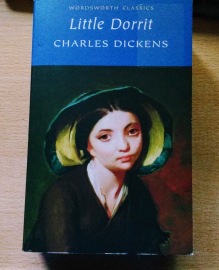
Little Dorrit
Yesterday I finished Why We Sleep by Matthew Walker, one of my NetGalley books that have been stopping me from reading my TBRs.

This book extols the benefits of getting a full eight hours sleep each night and warns of the dire consequences if you don’t. I shall write more about it in a later post.

What do you think you’ll read next: I do enjoy deciding what to read next but the thing is that I often change my mind. At the moment I’m leaning towards reading The Summer before the War by Helen Simonson. But it could be something else when the time come to decide.

The Summer Before the War
My copy has this cover

It is late summer in East Sussex, 1914. Amidst the season’s splendour, fiercely independent Beatrice Nash arrives in the coastal town of Rye to fill a teaching position at the local grammar school. There she is taken under the wing of formidable matriarch Agatha Kent, who, along with her charming nephews, tries her best to welcome Beatrice to a place that remains stubbornly resistant to the idea of female teachers. But just as Beatrice comes alive to the beauty of the Sussex landscape, and the colourful characters that populate Rye, the perfect summer is about to end. For the unimaginable is coming – and soon the limits of progress, and the old ways, will be tested as this small town goes to war.

Have you read any of these books?  Do any of them tempt you? 

My Tuesday Post: The Chymical Wedding by Lindsay Clarke

Every Tuesday First Chapter, First Paragraph/Intros is hosted by Vicky of I’d Rather Be at the Beach sharing the first paragraph or two of a book she’s reading or plans to read soon.

Teaser Tuesdays is hosted by The Purple Booker. Post two sentences from somewhere in a book you’re reading. No spoilers, please! List the author and book title too.

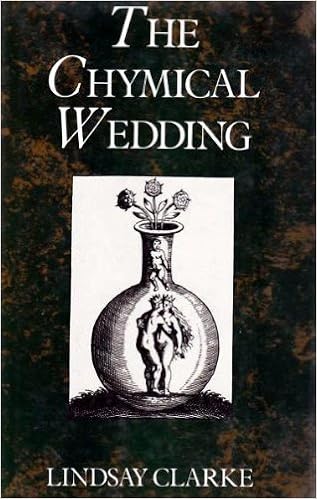
I’ve been looking at some of my TBRs this week, wondering whether or not I really want to read all of them. One of the books I’ve had for a long time is The Chymical Wedding by Lindsay Clarke, a long book of over 500 pages. It won the Whitbread Prize for fiction in 1989.

It begins:

In that part of the world the sky is everywhere, and the entire landscape seems to lie in abasement under its exacting light. It gets into church towers and between the narrow reeds along the river’s edge. It glances across undulant acres of barley and beet, and takes what little the flints have to give. Everything there feels exposed, so keeping secrets is hard. It’s not the easiest place in which to hide.

Here is a teaser from page 98. 

‘How did you meet?

‘I was a student at a crazy college in Connecticut. Edward was visiting professor.’

‘Creative writing?’ I tried to keep the distaste from my voice. In the light of his remarks the previous night, it seemed an unlikely profession for the old poet. ‘Is that what you were studying?’

‘Parapsychology,’ she corrected, and smiled at my frown. ‘I told you it was a crazy college.’

Description from inside flap:

In the early 1980s Alex Darken retreats to the isolation of a Norfolk village only to become increasingly intrigued by Edward Nesbit and the extraordinary project on which this ageing poet and Laura, his young American lover, are working. in 1848 a new Rector, the Revd Edwin Frere, and his wife Emilia are welcomed to the same village by the querulous Henry Agnew and his devoted and brilliant daughter, Louise Anne.

Though set more than a century apart, these two stories are on a collision curse as both the Victorians and their latter-day researchers are caught up in the rites invoked across time by their enquiries into ‘the great experiment of Nature’.

The Chymical Wedding is a novel in which human passion and intellectual obsession reverberate through two interwoven narratives, a compelling work of imagination which establishes Lindsay Clarke as one of the most provocative and gifted authors writing in Britain today.

If you have read it I’d love to know what you think about it. If you haven’t read it, would you keep reading? 

Major Pettigrew’s Last Stand by Helen Simonson

Major Pettigrew's Last StandThere are some books that I read and really don’t want to write much about them: Major Pettigrew’s Last Stand by Helen Simonson falls into this category. (See this post for the opening sentence, an extract from page 56 and the description on Amazon)
The quotations on the back cover all praise this book as ‘charming’, ‘funny’, ‘heart-warming’, ‘refreshing in its optimism’, ‘jolly’, ‘a delight’, ‘quirky’, and ‘lovely’.

I think this last one from the Daily Mail is probably closest to my reaction to the book – ‘A book to make you think, laugh, and ultimately cheer – the perfect holiday read’, except it didn’t make me laugh or cheer. But it did make me think.

It’s set in an English village and at times I could imagine it was during the 1950s when in reality it’s set in the present day. Major Pettigrew is a retired army officer, living on his own after his wife had died six years earlier. The death of his younger brother knocks him for six and he finds himself attracted to Mrs Ali, the owner of the village shop whose husband had also died not long before. Their friendship deepens much to the concern of his family and friends.

What follows is a story about the difficulties of cultural differences, colonialism, racial prejudice, and class snobbery. It’s also about family relationships – the attitude of young people towards the older generation and also about love and friendship. It’s an enjoyable book even though I thought there were too many sub-plots, one or more verging on the ridiculous (the duck hunt is one example), and too many stereotypes.The Major and Mrs Ali stand out as believable characters.

Major Pettigrew’s Last Stand was Helen Simonson’s debut novel. Her second is The Summer Before the War, set in 1914 and I have the e-book edition waiting to be read on my Kindle.

  • Paperback: 400 pages
  • Publisher: Bloomsbury Paperbacks; First Edition edition (4 Jan. 2011)
  • Language: English
  • ISBN-10: 1408809559
  • ISBN-13: 978-1408809556
  • Source: I bought the book
  • My Rating: 3.5*

Amazon UK link
Amazon US link

New-to-Me Books from Barter Books

On Tuesday it was time for another visit to my favourite bookshop Barter Books, one of the largest secondhand bookshops in Britain. This is where you can ‘swap’ books for credit that you can then use to get more books from the Barter Books shelves.

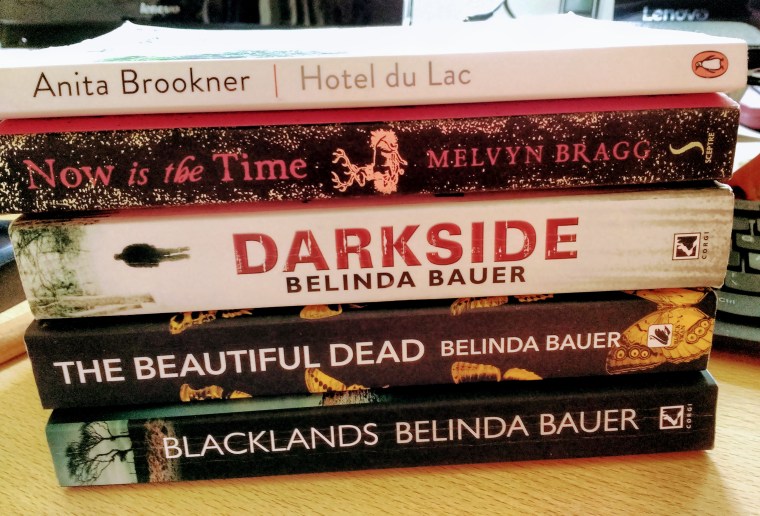
These are the books I brought home:

IMG_20180425_153217932.jpg


Hotel du Lac by Anita Brookner. I first read this many years ago and want to reread it – and hope I still like it as much. It won the Booker Prize in 1984. From the back cover: ‘Into the rarefied atmosphere of the Hotel du Lac timidly walks Edith Hope, romantic novelist and holder of modest dreams. Edith has been exiled from home after embarrassing herself and her friends. She has refused to sacrifice her ideals and remains stubbornly single. But among the pampered women and minor nobility Edith finds Mr Neville, and her chance to escape from a life of humiliating spinsterhood is renewed . . .’ 

Now is the Time by Melvyn Bragg. I loved his Soldiers Return quartet amongst some of his other books, so I’m hoping this historical fiction set in 1381 at the time of  the Peasants’ Revolt will be as good. Richard II was on the throne of England when a vast force of people led by Wat Tyler and John Ball demanded freedom, and equality. 

Then, three books by Belinda Bauer that I’ve been wanting to read for some time now:

Blacklands, her first novel – this tells the story of a game of cat and mouse between a 12 year old boy, Steven, and Arnold Avery, a serial killer and an abuser of children, who murdered Steven’s Uncle Billy, when he was 11 years old, twenty years ago.

Her second book, Darkside is set in the middle of winter time, when the people who live in a peaceful place, Shipcott, are shocked by the murder of an old woman in her bed.

The Beautiful Dead is about Eve Singer, a TV crime reporter, who will go to any length to get the latest scoop. But when a twisted serial killer starts using her to gain the publicity he craves, Eve must decide how far she’s willing to go – and how close she’ll let him get.

I’d love to start all these books straight away but I think I’ll begin with Belinda Bauer’s books, especially as I also have a review copy of her latest book, Snap which is due to be published as an e-book on 3 May 2018, with the hardback and paperback editions coming out later this year.

What do you think? Have you read any of these? Do they tempt you too?