It’s time for the second quarterly check-in post for the Mount TBR Challenge 2013. Bev asks:
1. Tell us how many miles you’ve made it up your mountain (# of books read). If you’re really ambitious, you can do some intricate math and figure out how the number of books you’ve read correlates to actual miles up Pike’s Peak, Mt. Ararat, etc.
- I’ve read just a quarter of my target – 12 books, reaching Pike’s Peak, so I’m not looking too good to reach Mount Ararat, that is, to read 48 books from my own bookshelves.
These are the books I’ve read:
- The Case of the Curious Bride by Erle Stanley Gardner
- The Lacuna by Barbara Kingsolver
- Cat Among the Pigeons by Agatha Christie
- Small Kindnesses by Fiona Robyn
- The Hobbit by J R R Tolkien
- The Distant Hours by Kate Morton
- Daughters of Fire by Barbara Erskine
- Balthazar Jones and the Tower of London Zoo by Julia Stuart
- The Lollipop Shoes by Joanne Harris
- The Owl Killers by Karen Maitland
- Kissing the Gunner’s Daughter by Ruth Rendell
- Barnaby Rudge by Charles Dickens
2.
What has been your most difficult read so far. And why? (Length? Subject matter? Difficult style? Out of your comfort zone reading?)
- That has to be The Lacuna by Barbara Kingsolver. Although it began and ended well, I got bored several times in the middle. I felt there was something missing, the personal elements that brought the story to life for me were few and far between; I couldn’t feel involved and just wanted it to end. I persevered because it has had such good reviews and recommendations, but sadly it dragged for me.
Which book (read so far) has been on your TBR mountain the longest? Was it worth the wait? Or is it possible you should have tackled it back when you first put it on the pile? Or tossed it off the edge without reading it all?
- This is Kissing the Gunner’s Daughter by Ruth Rendell, which I’ve had for about 20 years! It was well worth the wait and I thoroughly enjoyed reading it.




 tonight on BBC1, maybe I should read it in tandem, or leave it for later? It’s the story of Elizabeth Woodville, the White Queen. A woman who won the love of a king and ascended to royalty by virtue of her beauty, Elizabeth fought tenaciously for the success of her family — her daughter who would one day unite the warring dynasties, and her two sons whose eventual fate has confounded historians for centuries: the Princes in the Tower.
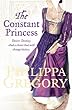 born Catalina, the Spanish Infanta, to parents who are both rulers and warriors. Aged four, she is betrothed to Arthur, Prince of Wales, and is raised to be Queen of England. She is never in doubt that it is her destiny to rule that far-off, wet, cold land.
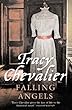 Queen Victoria’s death: two families visit neighbouring graves in a fashionable London cemetery. One is decorated with a sentimental angel, the other an elaborate urn. The Waterhouses revere the late Queen and cling to Victorian traditions; the Colemans look forward to a more modern society. To their mutual distaste, the families are inextricably linked when their daughters become friends behind the tombstones. And worse, befriend the gravedigger’s son.
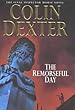 Thames Valley CID baffled. A year after the dreadful crime they are still no nearer to making an arrest. But one man has yet to tackle the case €“ and it is just the sort of puzzle at which Chief Inspector Morse excels. The final Morse book, which I bought after watching the TV version. I’ve just checked and this was way back in 2000! I decided at the time that I would read it later – I never meant it to be 12 years later!
  meaning to read them before now. I see from a bookmark that I did start
 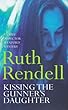 double shelve books that I forget I’ve got them. If I thought 12 years was a long time to have owned and not read a book, then I was astonished when I checked this book to find that I’ve had it since 1992! No!! It’s another book I bought after watching the TV version, which was broadcast in November 1992. I did start it – there’s a bookmark at the start of Chapter 6. I see from Amazon that the book has been reprinted several times since I bought my copy. The blurb is: The fifteenth book to feature the classic crime-solving detective, Chief Inspector Wexford. The thirteenth of May is famously the unluckiest day of the year. Sergeant Caleb Martin of Kingsmarkham CID had no idea just how terminally unlucky it would prove, as he embarked upon his last day on earth… Ten months later, Wexford is confronted with a murder scene of horrific brutality. At first the bloodbath at Tancred House looks like the desperate work of a burglar panicked into murder. The sole survivor of the massacre, seventeen-year-old Daisy Flory, remembers the events imperfectly, and her confused account of the fatal night seems to confirm this theory. But more and more, Chief Inspector Wexford is convinced that the crime lies closer to home, and that it has sinister links to the murder of Sergeant Martin…