
Top Ten Tuesday is a weekly meme created by The Broke and the Bookish and now hosted by Jana at That Artsy Reader Girl. For the rules see her blog.
The topic this week is Books with My Favourite Colour on the Cover. Here they are in various shades of red:
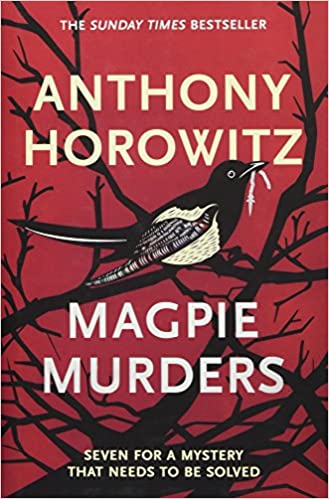


Magpie Murders by Anthony Horowitz – a prime example of a puzzle-type of crime fiction combining elements of the vintage-style golden age crime novel with word-play and cryptic clues and allusions to Agatha Christie and Arthur Conan Doyle. It’s also a novel within a novel, with mystery piled upon mystery. I loved it.
The Sentence is Death by Anthony Horowitz – the second book in the Hawthorne and Horowitz Mystery series in which Daniel Hawthorne, an ex-policeman, now a private investigator, who the police call in to help when they have a case they call a ‘sticker’. What I found particularly interesting was the way that Anthony Horowitz inserted himself into the fiction, recruited by Hawthorne to write a book about him and the cases he investigates.
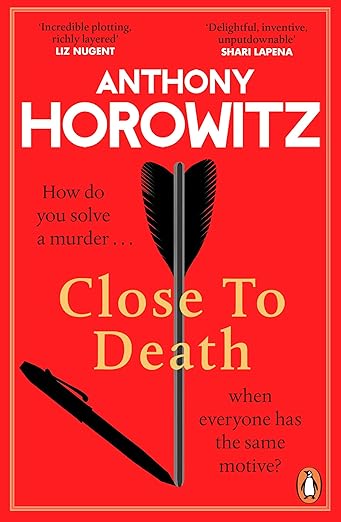
Close to Death by Anthony Horowitz – the fifth literary whodunit in the Hawthorne and Horowitz series, Detective Hawthorne is once again called upon to solve an unsolvable case—a gruesome murder in an idyllic gated community in which suspects abound, aided by Horowitz, as a fictional character.
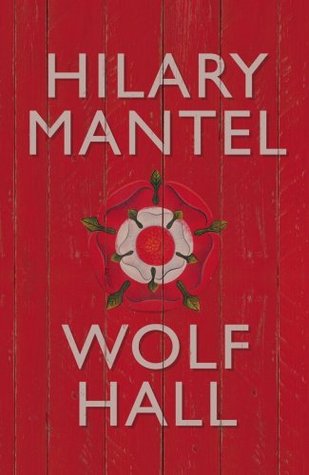
Wolf Hall by Hilary Mantel – historical fiction, the story of Thomas Cromwell, the son of a blacksmith, and his political rise, set against the background of Henry VIII’s England and his struggle with the Pope over his desire to marry Anne Boleyn. This is the first in the Wolf Hall trilogy, based on the life of Thomas Cromwell (c. 1485-1540), who rose from obscurity to become chief minister of King Henry VIII of England.
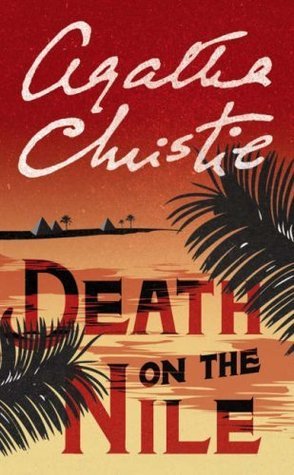
Death on the Nile by Agatha Christie, a pre-Second World War crime fiction novel. It shows Agatha Christie’s interest in Egypt and archaeology and also reflects much of the flavour and social nuances of the pre-war period. In it she sets a puzzle to solve – who shot Linnet Doyle, the wealthy American heiress? Although the novel is set in Egypt, an exotic location, it is essentially a ‘locked room mystery’.
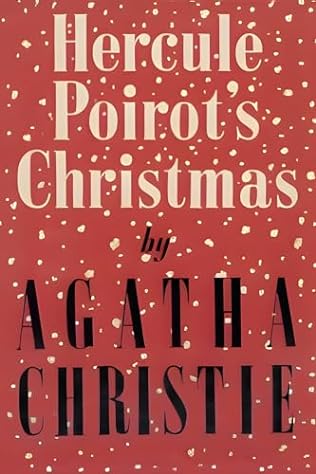
Hercule Poirot’s Christmas by Agatha Chistie in which Poirot investigates the death of Simeon Lee, the head of the Lee family. None of his family like him, in fact most of them hate him and there are plenty of suspects for his murder. He is found dead with his throat cut in a locked room – locked from the inside.
Wild Fire by Ann Cleeves, the 8th and last book in Ann Cleeves’ Shetland series. I have loved this series ever since I read the first book, Raven Black, back in 2010. And because I began reading the books before they were televised my picture of Inspector Jimmy Perez is drawn from them rather than from the dramatisations. There are some significant changes between the TV dramatisations and the books. I love the books, but still enjoyed the TV adaptions.
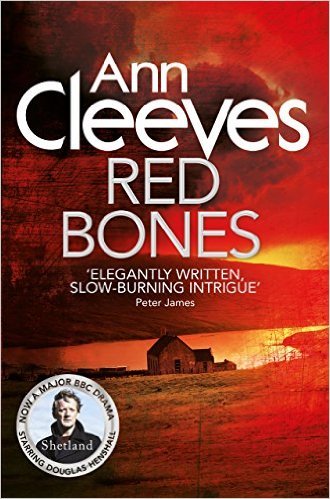
Red Bones by Ann Cleeves, the third book in her Shetland Quartet. It’s set on Whalsay, where two young archaeologists, excavating a site on Mima Williams’s land, discover human bones. They are sent away for testing – are they an ancient find or are the bones more contemporary?
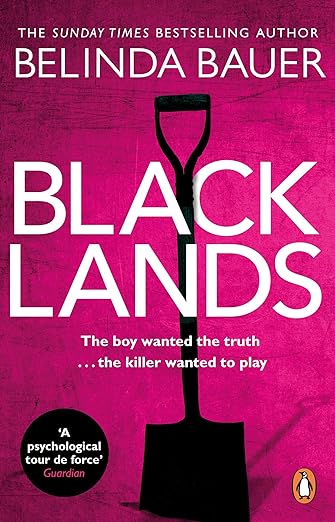
Blacklands by Belinda Bauer, crime fiction. This is an absolutely gripping battle of wits between Stephen aged twelve and serial killer Arnold Avery as they exchange letters about the whereabouts of Stephen’s uncle’s body.
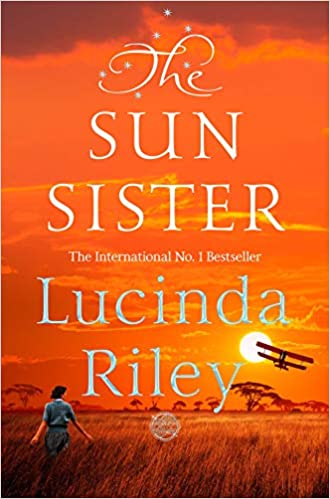
The Sun Sister by Lucinda Riley – the only book on this list that I haven’t yet read. It’s the sixth book in The Sven Sisters series, the story of love and loss, inspired by the mythology of the famous star constellation. It’s one of my TBRs only because I’m reading the series in order and so far I’ve read the first three books.
 Death on the Nile
 BooksPlease