Every Tuesday Diane at Bibliophile by the Sea hosts First Chapter First Paragraph Tuesday Intros, sharing the first paragraph or (a few) of a book she’s reading or thinking about reading soon.
Today I’m in the mood for reading short fiction and picked this book off my to-be-read shelves. It’s Tamburlaine Must Die by Louise Welsh, set in 1593 it tells the story of playwright, Christopher Marlowe’s last days, weaving together fact and fiction. It’s only 140 pages.

It begins:
I have four candles and one evening in which to write this account. Tomorrow I will lodge these papers with my last true friend. If I survive the day, they will light our pipes. But should I not return, he has instructions to secrete this chronicle where it will lie undiscovered for a long span, in the hope that when these pages are found, the age will be different and my words may be judged by honest eyes.
When I read the first four words I immediately thought of the Ronnie Barker and Ronnie Corbett sketch from years ago in the Two Ronnies – The Four Candles. I don’t suppose that is the response Louise Welsh would have expected, but there it is, that’s what came to my mind. But this is not a comedy as this summary from Amazon reveals:
London, 1593. A city on edge. Under threat from plague and war, strangers are unwelcome, suspicion is wholesale, severed heads grin from the spikes on Tower Bridge. Playwright, poet and spy, Christopher Marlowe walks the city’s mean streets with just three days to find the murderous Tamburlaine, a killer escaped from the pages of his most violent play. Tamburlaine Must Die is the searing adventure of a man who dares to defy both God and the state and whose murder remains a taunting mystery to the present day.
What do you think? Would you keep reading?


 I’m currently reading
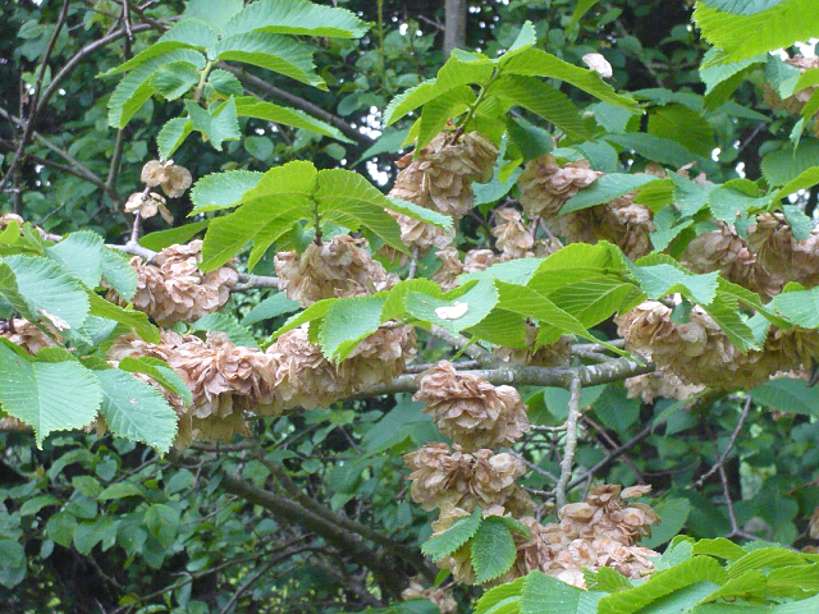 One got caught in a cobweb:
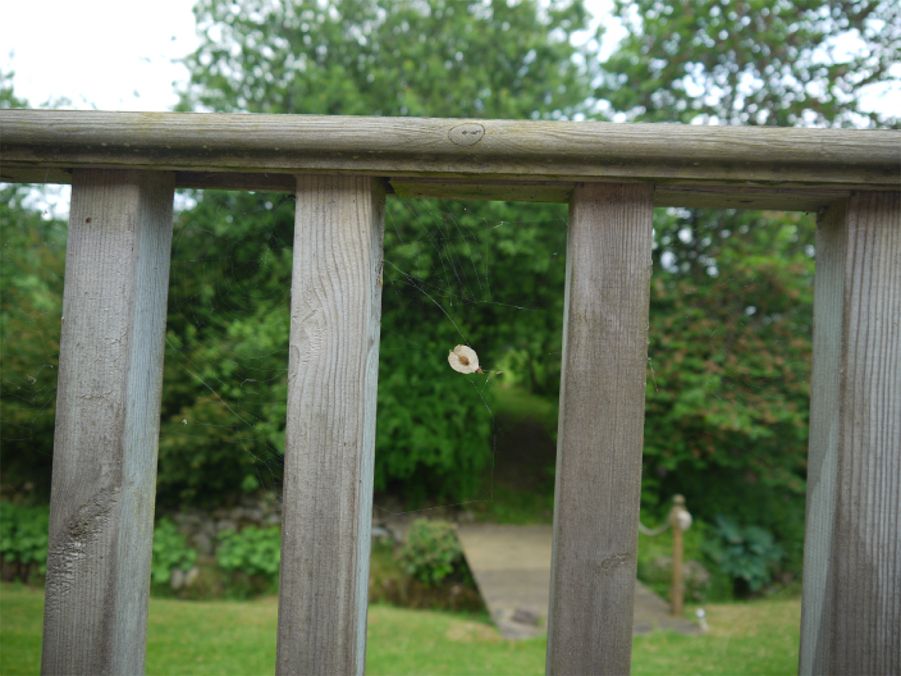 Here it is in close-up:
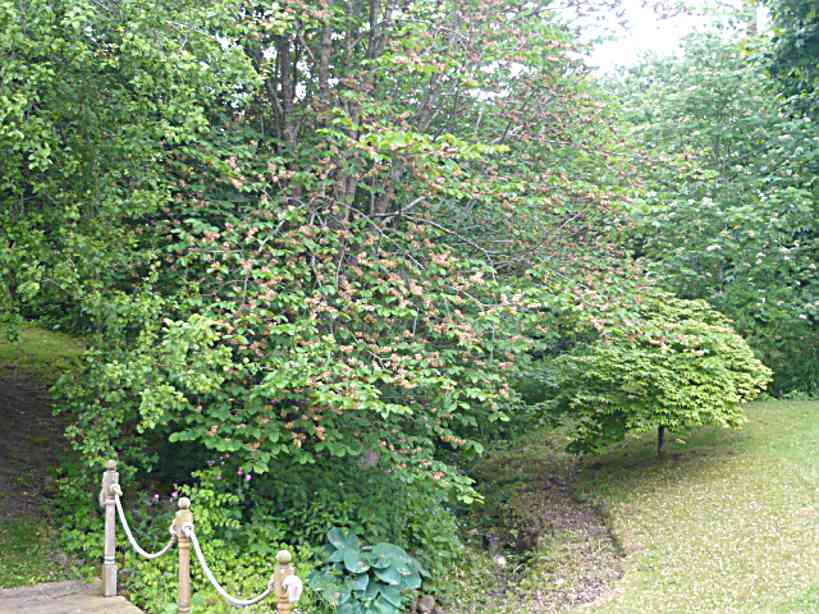
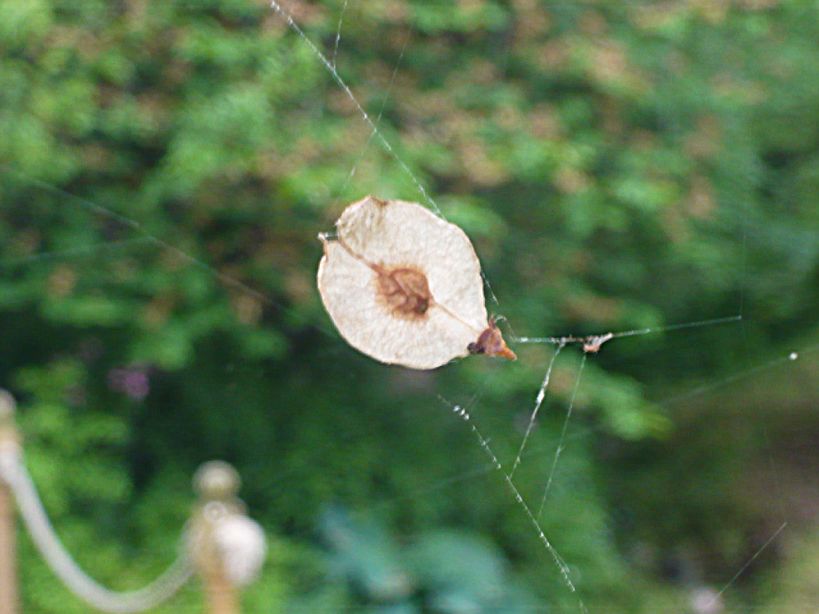 Wych Elms are hardy trees and have greater resistance to Dutch elm disease than other elms. The name ‘wych’ comes from an Anglo-Saxon word meaning pliable and refers to the tree’s twigs. Its wood has many uses, including underground water pipes (in the past), boat building and the seats of chairs – it’s also the traditional wood used for coffins.


 BooksPlease