Top Ten Tuesday is a weekly meme created by The Broke and the Bookish and now hosted by Jana at That Artsy Reader Girl. For the rules see her blog.
The topic today is Books On My Winter 2025-2026 to-Read List. The first three are books on my NetGalley shelf and will be published early in the New Year. The rest are books from my TBR lists. I do enjoy making lists and sometimes I stick to them!
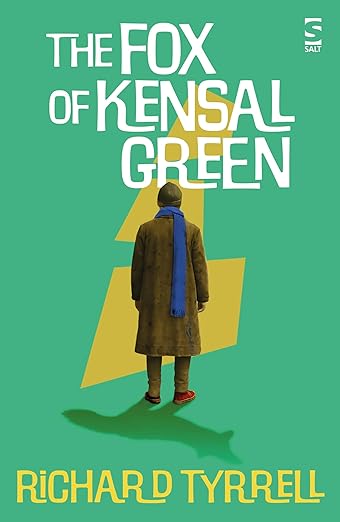
The Fox of Kensal Green by Richard Tyrrell – a quiet neighbourhood of London is about to be shattered.
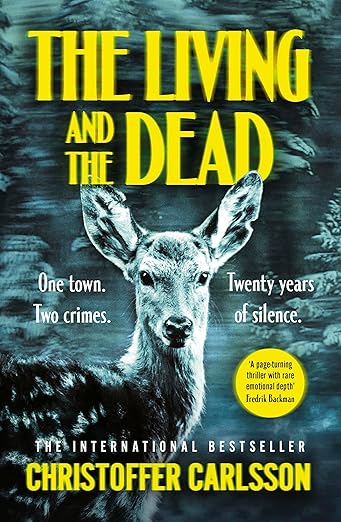
The Living and the Dead by Christoffer Carlsson – a haunting murder mystery, set in a rural Swedish town, where one community’s secrets will be laid bare over the next twenty years
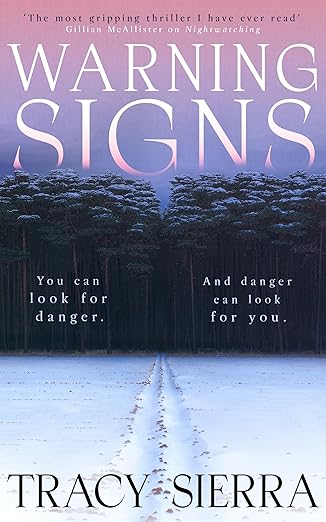
Warning Signs by Tracy Sierra – a thriller set in the Colorado mountains during a ski-weekend.
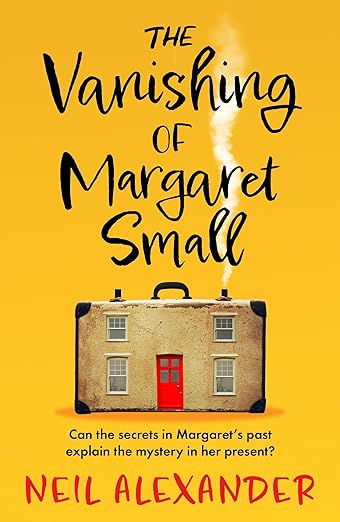
The Vanishing of Margaret Small by Neil Alexander – a mystery that takes readers into a fascinating past, and introduces an unforgettable literary heroine.
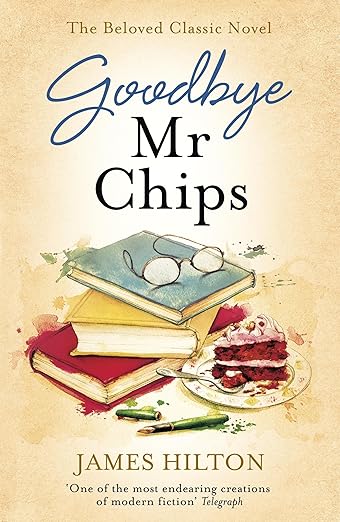
Goodbye Mr Chips by James Hilton – the classic story of a quiet, unassuming man and the many lives he touches.
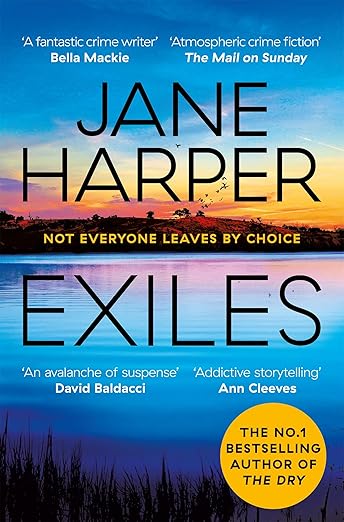
Exiles by Jane Harper – Investigator Aaron Falk finds himself drawn into a complex web of tightly held secrets in South Australia’s wine country.
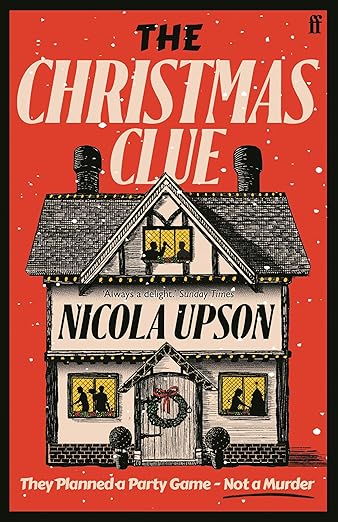
The Christmas Clue by Nicola Upson – a Christmas murder mystery featuring the real-life couple who invented Cluedo.
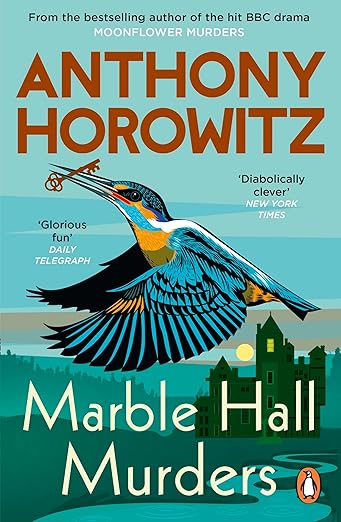
Marble Hall Murders by Anthony Horowitz – Susan Ryeland has had enough of murder.
Top Ten Tuesday is a weekly meme created by The Broke and the Bookish and now hosted by Jana at That Artsy Reader Girl. For the rules see her blog/
The topic today is Books Set in Snowy Places. These are some of the books I’ve read set in snowy places demonstrating the awesome power and danger to be found in the snow!
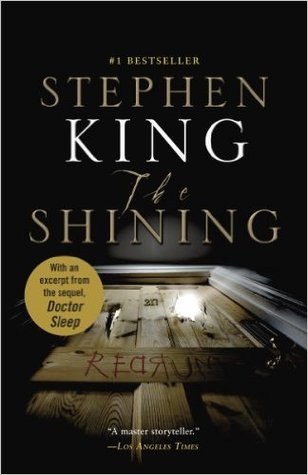
The Shining by Stephen King, set in the Overlook Hotel in the Colorada Rockies with Jack Torrance and his family. The winter weather closes in on the hotel and they are cut off from the rest of the world. Terrible things had taken place at the hotel and as psychic forces gather strength ghosts begin to surface and both Jack and his five year old son, Danny are their target. Terrifying!
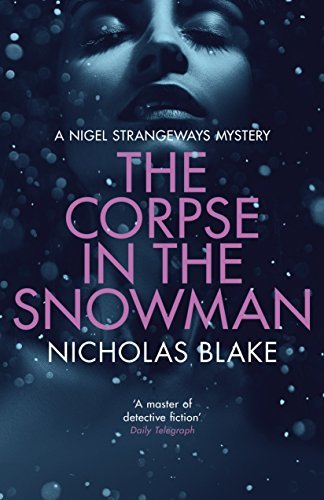
The Corpse in the Snowman by Nicholas Blake. Set in 1940 at Easterham Manor in Essex, where the isolated home of the Restorick family is cut off from the neighbouring village by snow. There’s a death and a body hidden in a snowman that is only discovered when a thaw sets in.
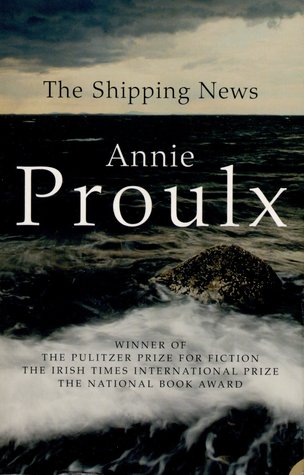
The Shipping News by Annie Proulx. Set in Newfoundland in its frozen, storm-ridden isolation, surrounded by icebergs “like white prisons” is the old, dilapidated Quoyle family house on Quoyle’s Point that had stood empty for forty-four years, a “gaunt building … lashed with cable to iron rings set in the rock”. Quoyle’s job on the local Newfoundland weekly paper the Gammy Bird is to report on the shipping news, the boats coming in and out of the port and to cover the local car wrecks.
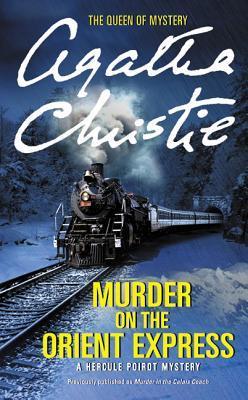
Murder on the Orient Express by Agatha Christie. Poirot is on the Orient Express, on a three-days journey across Europe. But after midnight the train comes to a halt, stuck in a snowdrift. In the morning the millionaire Simon Ratchett is found dead in his compartment his body stabbed a dozen times and his door locked from the inside. It is obvious from the lack of tracks in the snow that no-one has left the train. So the murderer must be on the train.
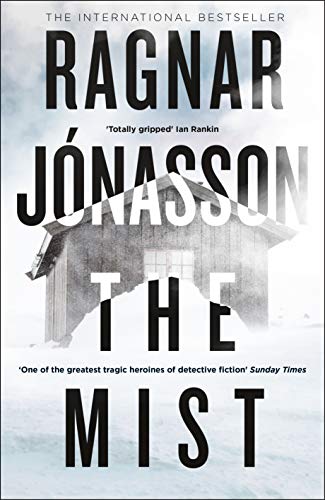
The Mist by Ragnar Jonasson Nordic Noir. Jonasson’s writing brings the scenery and the weather to life – you can feel the isolation and experience what it is like to be lost in a howling snowstorm. The emotional tension is brilliantly done too, the sense of despair, confusion and dread is almost unbearable.
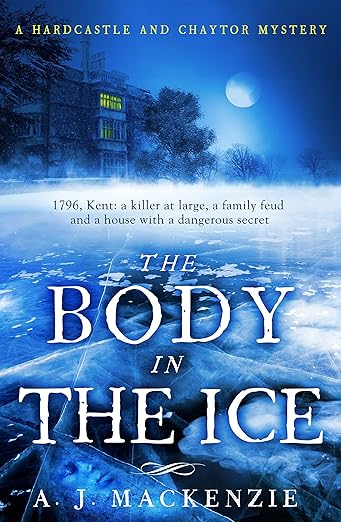
The Body in the Ice by A J Mackenzie, the 2nd Hardcastle and Chaytor Mystery set in Romney Marsh and the surrounding countryside in 1796-7 when the winter was exceptionally harsh and cold and on Christmas Day a body is found, frozen in a pond. There’s no modern technology, just old-fashioned crime detection and deduction and a certain amount of intuition.
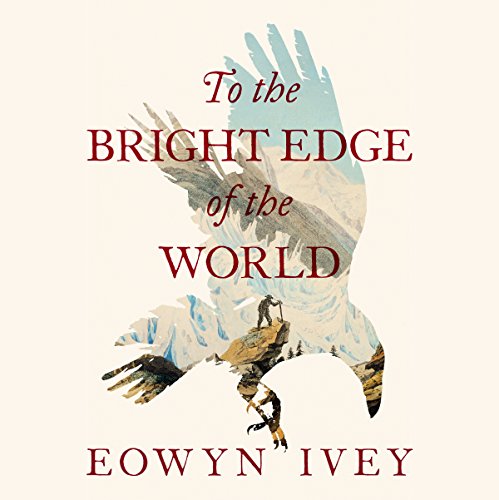
To the Bright Edge of the World by Eowyn Ivey. The story ofLieutenant Colonel Allen Forrester’s journey in 1885 from Perkins Island up the Wolverine River in Alaska. TheWolverine is the key to opening up Alaska and its rich natural resources to the outside world, but previous attempts have ended in tragedy.
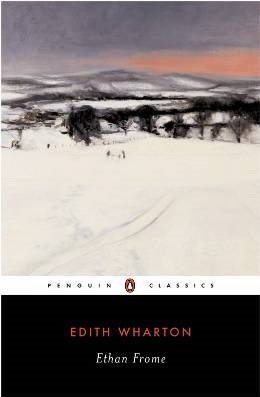
Ethan Frome by Edith Wharton. As well as striking and memorable characters the setting is beautifully described – a ‘mute and melancholy landscape, an incarceration of frozen woe‘, in the isolated village of Starkfield (a fictional New England village). This is a tragedy but there is light to contrast the darkness, and there is love and hope set against repression and misery.
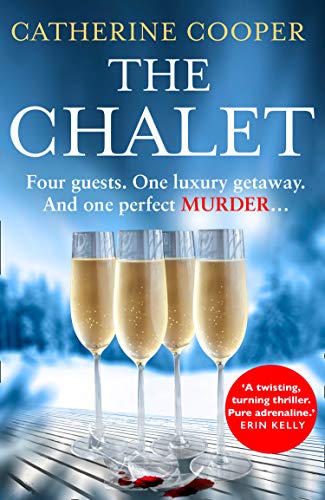
The Chalet by Catherine Cooper, a fast-paced murder mystery, set mainly in La Madière, a fictional ski resort in the French Alps.Two young men ski into a blizzard… but only one returns. 20 years later four people connected to the missing man find themselves in that same resort. Each has a secret. Two may have blood on their hands. One is a killer-in-waiting. Someone knows what really happened that day.
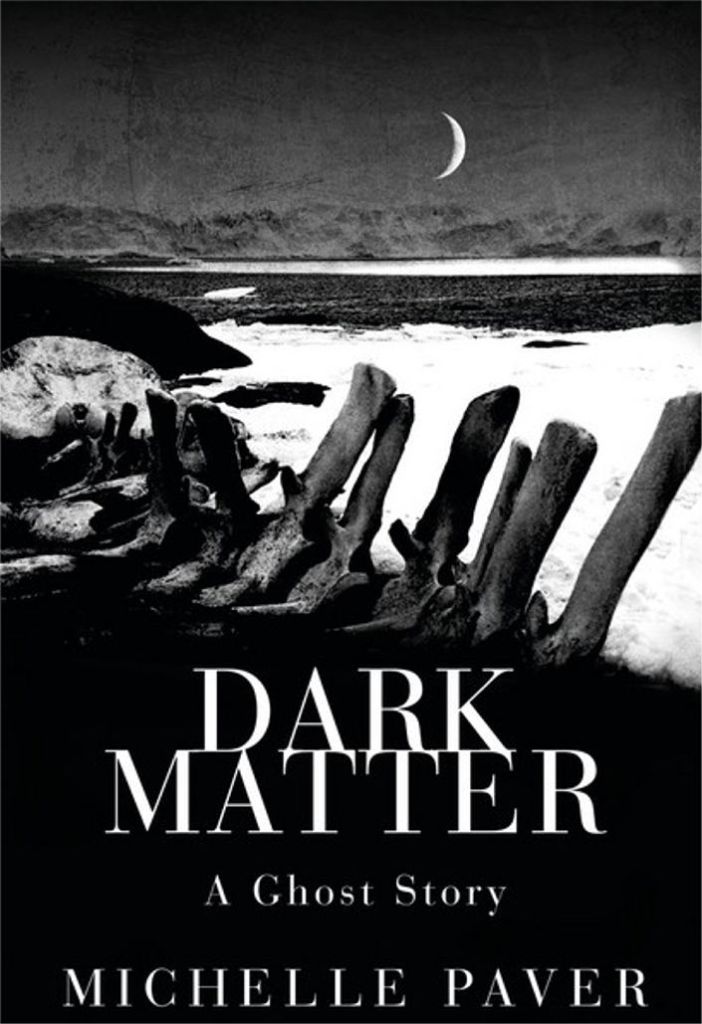
Dark Matter: a Ghost Story by Michelle Paver, set in the High Arctic, where the isolation of the long, dark Arctic winter is oppressive and unrelenting. Set in 1937 when Jack Miller was part of an expedition to study its biology, geology and ice dynamics and to carry out a meteorological survey. Right from the start things begin to go wrong. Jack’s unease turns into dread when is left alone at the camp and his nightmare really begins. This really is a page-turner and a good old-fashioned and seriously scary ghost story!
Top Ten Tuesday is a weekly meme created by The Broke and the Bookish and now hosted by Jana at That Artsy Reader Girl. For the rules see her blog
Today the topic is a Freebie and I’ve chosen books Books Set in the 1950s.
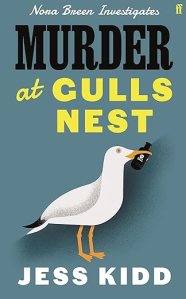
Murder at Gulls Nest by Jess Kidd. The first in a sparkling new 1950s seaside mystery series, featuring sharp-eyed former nun Nora Breen.
After thirty years in a convent, Nora Breen has thrown off her habit and set her sights on the seaside town of Gore-on-Sea. Why there? Why now? Instinct tells her it’s better not to reveal her reasons straight away. She takes a room at Gulls Nest guest house and settles in to watch and listen.
I enjoyed this. It’s quirky with some odd characters. At times it feels like a cosy crime mystery, but it’s also rather dark and foreboding, whereas at other times there’s some humour and also a hint of a romance. The setting is good in a fictional 1950s British seaside town.
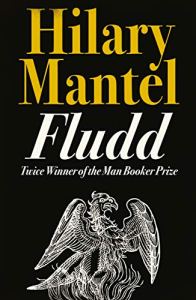
Fludd by Hilary Mantel. I enjoyed this immensely – partly about religion and superstition, but also a fantasy, a fairy tale, told with wit and humour and with brilliant characterisation. It’s one of her earlier novels, set in Fetherhoughton, a drab, dreary town somewhere in a magical, half-real 1950s north England, a preserve of ignorance and superstition. The story centres on Fludd, a young priest who comes to the Church of St Thomas Aquinas to help Father Angwin, a cynical priest who has lost his faith. The Bishop, a modern man, is concerned about Father Angwin and wants to bring him and the Catholic community up to date – so the statues in the church have to go. This has a most disturbing effect on all concerned – not just the church and Father Angwin, but also the the nuns in the convent, and the school, both under the stern eye of Mother Perpetua.
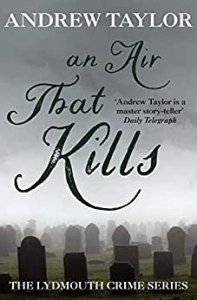
An Air That Kills by Andrew Taylor, the first book in his Lydmouth crime series. The setting is Lydmouth, a small market town on the Welsh/English border in the early 1950s, just after the end of the Second World War. It begins as journalist, Jill Francis arrives to stay with her friends, Philip and Charlotte in Lydmouth, to recover from a bad experience. Also new to the town is Inspector Richard Thornhill, who is finding it difficult to adjust to working in the local police force. Workmen digging out a drain discover a wooden box containing baby’s bones, an old brooch and some scraps of yellowed newspaper. When Major Harcutt, the local historian is consulted he found that there could be a connection to an old murder trial.
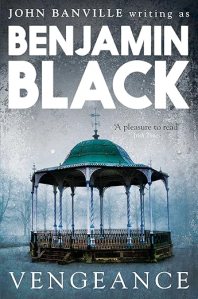
Vengeance by Benjamin Black (a pseudonym used by John Banville), number five in Black’s Quirke Mysteries series set in Ireland in the 1950s. It begins with a suicide, that of Victor Delahaye, a business man who takes his boat out to sea and shoots himself. He had taken his partner’s son, Davy Clancy out to sea with him. The Delahayes and Clancys are interviewed – Mona Delahaye, the dead man’s young and very beautiful wife; James and Jonas Delahaye, his identical twin sons; Marguerite his sister; Jack Clancy, his ambitious, womanizing partner and Sylvia, Jack’s long-suffering wife. Then there is a second death. Why did Victor kill himself and who is the murderer, wreaking vengeance on the families?
The setting is excellent, both in location and time, with the characters wreathed in cigarette smoke, and having to find public telephones for example.
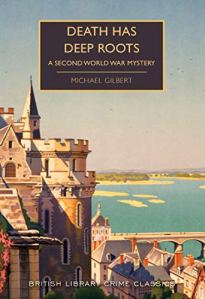
Death Has Deep Roots: a Second World War Mystery by Michael Gilbert. Set in 1950 it’s a mix of courtroom drama, spy novel and an adventure thriller. Victoria Lamartine, a hotel worker, and an ex-French Resistance fighter is on trial for the murder of Major Eric Thoseby, her supposed lover, and alleged father of her dead child. She is the obvious suspect – she was found standing over Thoseby’s dead body in his room at the Family Hotel in Soho, a room that was only accessed by one staircase – making this a variation on a locked room murder mystery. It was written not long after the end of the Second World War and it conveys a vivid impression of what life was like in both France and England, with memories of the war still fresh on people’s minds.
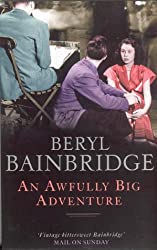
An Awfully Big Adventure, a semi-autobiographical novel set in 1950, based on Beryl Bainbridge’s own experience as an assistant stage manager in a Liverpool. A Liverpool repertory theatre company are rehearsing its Christmas production of Peter Pan. The story centres around Stella, the assistant stage manager. On the face of it this is a straight forward story of the theatre company but underneath it’s packed with emotion, pathos and drama. And it’s firmly grounded in a grim post-war 1950s England, food rationing still in operation and bombed buildings still in ruins overgrown with weeds.
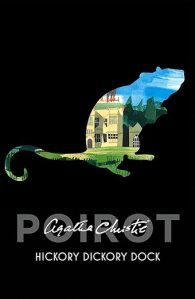
Hickory Dickory Dock by Agatha Christie, a Poirot mystery, first published in 1955. It’s set in a crowded London house, owned by Mrs Nicolstis, a Greek and full of a mixed group of young students from a variety of backgrounds and cultures – from America, West Africa and India as well as an assortment from the British Isles.Items have gone missing and then one of the students commits suicide – or is it murder? And more deaths follow.
Agatha Christie reveals contemporary attitudes (1950s) to race and politics, as the characters’ prejudices come out in their discussions. There are some interesting reflections on crime and the psychology of behaviour.
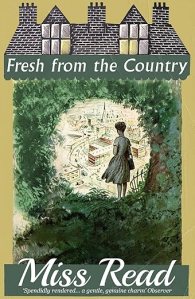
Fresh from the Country by Miss Read, set in the 1950s, thisis a stand-alone novel telling the story of Anna Lacey, a newly qualified teacher, as she spends her first year teaching in Elm Hill, a new suburb in London. It highlights the differences between life in the country and the suburbs, which transported me back to the 1950s, when children were taught in large classes and the pace of life was slower than today. It was a bit disconcerting to read that Anna enjoyed smoking, but then the dangers of cigarettes were not emphasised in those days and many people did smoke.
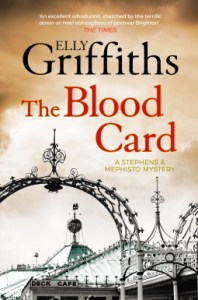
The Blood Card by Elly Griffiths, the third book in the DI Stephens and Max Mephisto series. Known as the ‘Magic Men’ they had been part of a top-secret espionage unit during the War. This book captures the atmosphere of 1953 – a time of great change and optimism. Britain is looking forward with eager anticipation to the new Queen’s coronation. The newspapers and newsreels are full of it and more than half the homes in the country have bought a television in order to watch the coronation live- it was the first British coronation to be broadcast on television, a momentous occasion. But there are fears that an anarchist group is plotting to disrupt the coronation.
I enjoyed the insight into the history of television as Max is sceptical about performing magic on TV thinking the ‘smug grey box’ will be the death of the days of music hall, that magic tricks needed to be performed on stage not in close up with a camera over his shoulder. But he is persuaded to take part in a new show after the coronation.
Top Ten Tuesday is a weekly meme created by The Broke and the Bookish and now hosted by Jana at That Artsy Reader Girl.
The rules are simple:
Each Tuesday, Jana assigns a new topic. Create your own Top Ten list that fits that topic – putting your unique spin on it if you want. Everyone is welcome to join but please link back to Jana in your own Top Ten Tuesday post. Add your name to the Linky widget on that day’s post so that everyone can check out other bloggers’ lists. Or if you don’t have a blog, just post your answers as a comment.
The topic today is Books I Enjoyed that Were Outside My Comfort Zone. But because it is Remembrance Day marking the anniversary of the end of the First World War in 1918 I’m sharing books set in either World War One or World War Two, or about the wars.
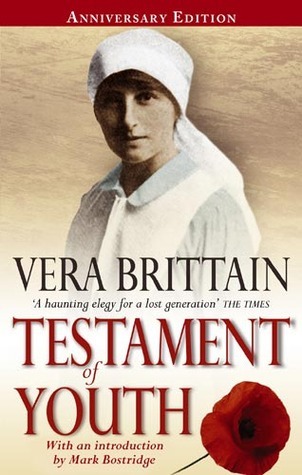
Testament of Youth by Vera Brittain. This is Vera Brittain’s autobiography. She was 21 in 1914.
Top Ten Tuesday is a weekly meme created by The Broke and the Bookish and now hosted by Jana at That Artsy Reader Girl. For the rules see her blog
The topic today is The First 10 Books I Randomly Grabbed from My Shelf (Stand in front of your book collection, close your eyes, point to a title, and write it down. If you have shelves, point to your physical books.
This week’s topic is pretty easy. I used the bookcase that’s behind me as I write this post, filled mostly with hardback books, stood in front of it, closed my eyes and touched the books one by one from different shelves. So this is a mixed bunch of books, only some of which I’ve read.
I enjoyed doing this post, but now, of course I want to read those I haven’t read yet – immediately!
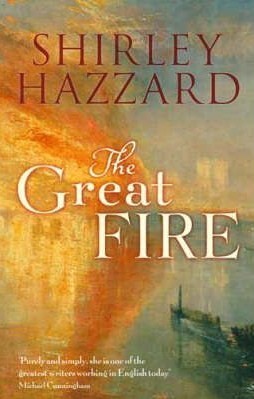
The Great Fire by Shirley Hazzard, historical fiction. I haven’t read this one yet. Set in the aftermath of World War II in Asia and Europe.
Tommy Walsh Outdoor DIY, how to make the most of the garden – fences, patios, planters, pergolas and water features galore!
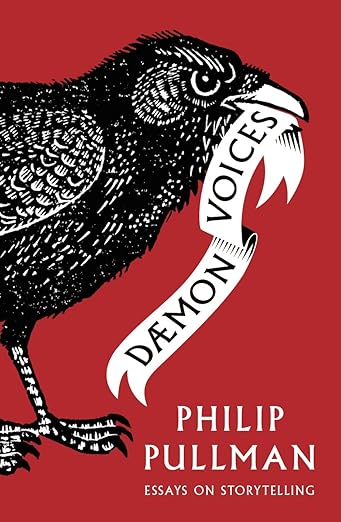
Daemon Voices: On Stories and Storytelling by Philip Pullman. A lovely book. I’ve read some of the stories and Pullman’s reflections in essays and talks on the subject of storytelling.
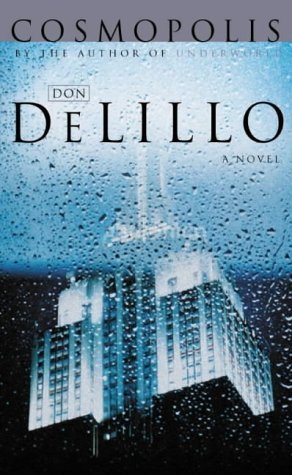
Cosmopolis by Don Delilo, a novel covering day in the life of Eric Packer, a multi-billionaire. I haven’t read this one yet.
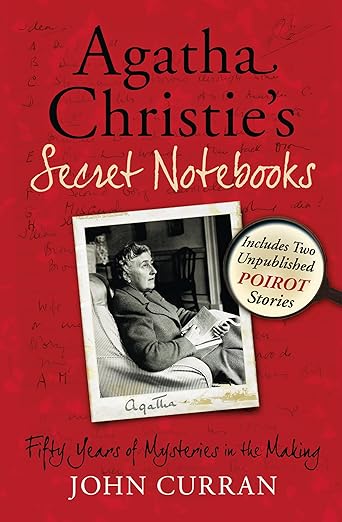
Agatha Christie’s Secret Notebooks: Fifty Years of Mysteries in the Making by Jonathan Curran. It includes two unpublished Poirot Stories . A wonderful book exploring the contents of Agatha Christie’s 73 handwritten notebooks about her plots, titles and characters. I’ve dipped into this several times.
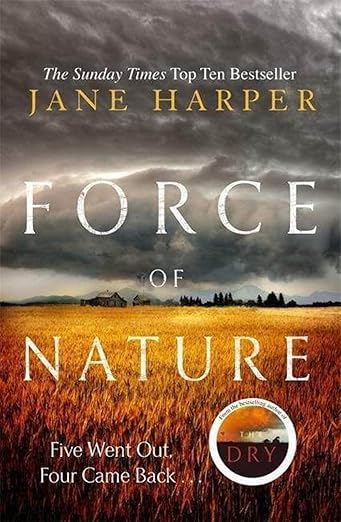
Force of Nature by Jane Harper. I loved this novel set in the fictional Giralang Ranges in Australia, where Aaron Falk is investigating the disappearance of Alice Russell, during a team building exercise in the outback.
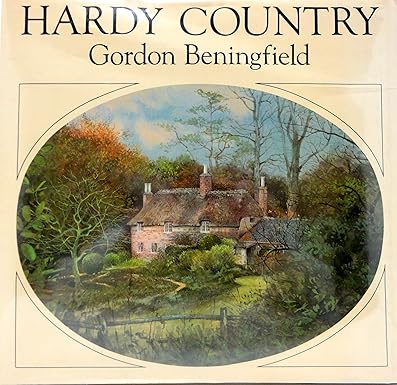
Hardy Country by Gordon Beningfield, a book to dip into, not one to read straight through. Paintings and drawings of Wessex accompany a discussion of the portrayal of the region of England in the novels of Thomas Hardy.
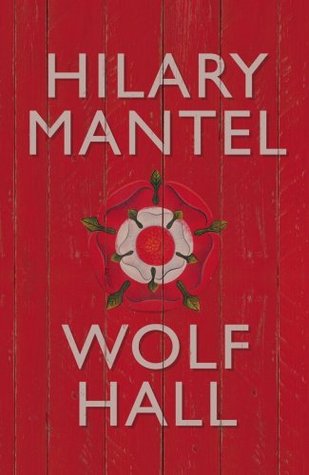
Wolf Hall by Hilary Mantel, historical fiction, the first in her fantastic Wolf Hall trilogy. This is the story of Thomas Cromwell, the son of a blacksmith, and his political rise, set against the background of Henry VIII’s England. I loved it.
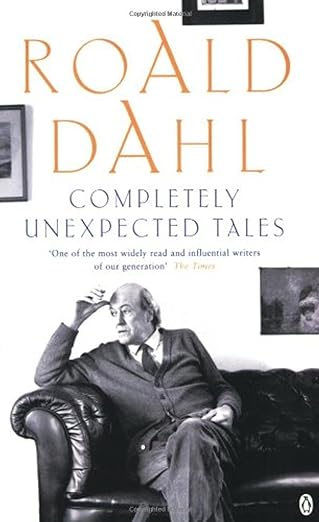
Completely Unexpected Tales by Roald Dahl. There are 25 short stories in total in this book, some of them are very short. I’ve only read some of these. They all end with an unexpected twist, some are more predictable than others, but others did take me by surprise with a sting in the tail.
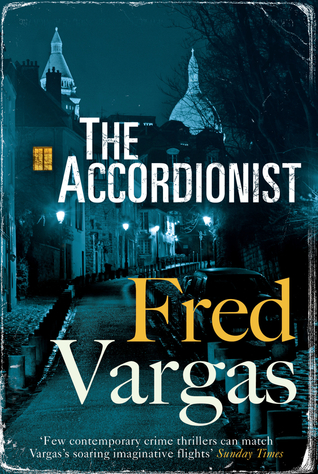
The Accordionist by Fred Vargas – quirky crime fiction, set in Paris
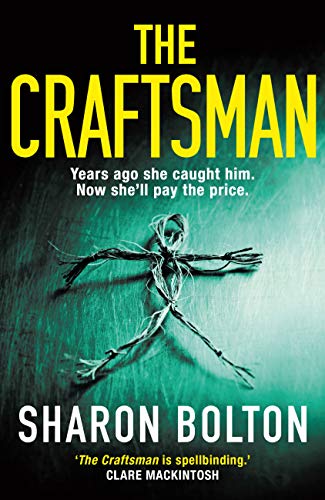
The Craftsman by Sharon Bolton – creepy crime fiction about a coffin-maker
The Sea Detective by Mark Douglas-Home – oceanographer, Cal McGill, more of an investigative story than crime fiction
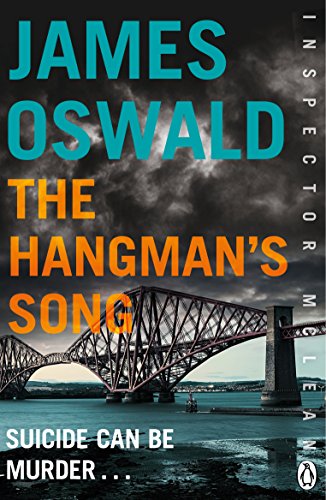
The Hangman’s Song by James Oswald – the third Inspector McLean series set in Edinburgh, crime fiction with elements of the supernatural and parapsychology thrown in
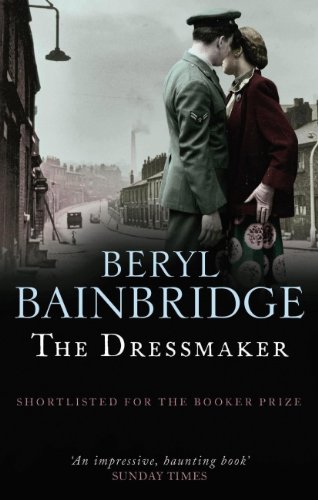
The Dressmaker by Beryl Bainbridge – a wartime tale of life in Liverpool in 1944, with an under current of psychological suspense.
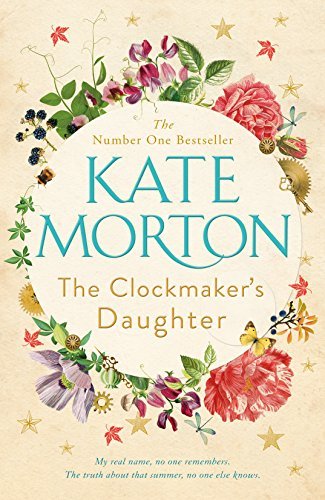
The Clockmaker’s Daughter by Kate Morton – historical fiction set in the summer of 1862, a story of murder, mystery and thievery, of art, love and loss


 BooksPlease