Eight Books I Was SO EXCITED to Get, but Still Haven’t Read 

Top Ten Tuesday is a weekly meme created by The Broke and the Bookish and now hosted by Jana at That Artsy Reader Girl. For the rules see her blog.

The topic this week is Books I Was SO EXCITED to Get, but Still Haven’t Read. Years ago I didn’t have had any books I hadn’t read – as soon as I bought or borrowed a book I read it. I didn’t have a backlog! Now I have so many that I have to prioritise, which means that books like these I’ve listed below keep being left on the shelves even though I was really excited to read them when I bought them. It’s comforting to know I have books ready to read, but it was also great when I could buy and read a book straight away.

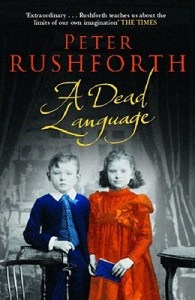
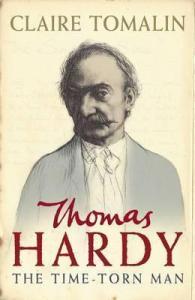
There are two books listed on my LibraryThing catalogue that I’ve owned since 4 February 2007 – A Dead Language by Peter Rushforth and Thomas Hardy: The Time-torn Man by Claire Tomalin. I did start to read both of them years ago, but put them aside for a while – and that’s where they still are. I bought the Rushforth book as I’d loved his first book, Pinkerton’s Sister, but A Dead Language doesn’t have the same appeal, although I can’t bring myself to the point of actually abandoning it. Whereas I still really want to read the Hardy biography …

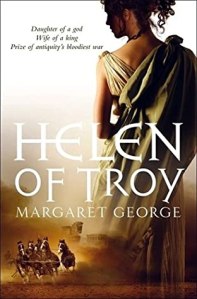
I have two novels about Troy –The Song of Troy by Colleen McCullough and Helen of Troy by Margaret George – both bought because I love historical fiction and have enjoyed books by both authors. I devoured McCullough’s Rome series and expected to be able to immerse myself in The Song of Troy but the book is in such a small font that I haven’t got very far reading it. I loved Mary, Called Magdalene by Margaret George years ago so I was really keen to read Helen of Troy, but it is such a big thick book of over 750 pages that it is so unwieldy, hard to hold and so tightly bound I can hardly open it.

The Agony and the Ecstasy by Irving Stone is a book I’ve been longing to read for years. It’s a biographical novel about Michelangelo. The copy I had was impossible to read as it was falling apart so I bought a new copy – but it’s still sitting waiting to be read. Why? Well because I have so many other books I really want to read …

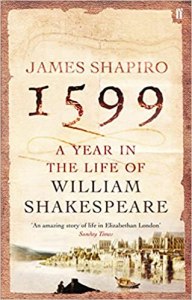
Another book I’ve had since 2007, still waiting to be read for the same reason is 1599: A Year in the Life of William Shakespeare by James Shapiro. 1599 was the year the Globe Theatre was built and that Shakespeare wrote Julius Caesar, Henry V, As You Like It and Hamlet. it’s full of detail, not just about Shakespeare, his plays and the theatre, but also about the events of his life and times!

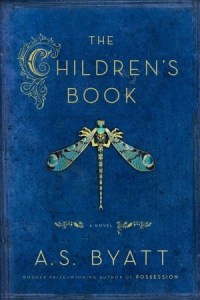
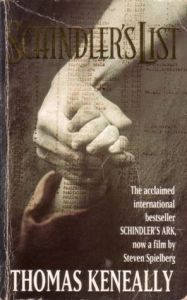
Two more books I really wanted to read before now are The Children’s Book by A S Byatt and Schindler’s List by Thomas Keneally.

When I bought The Children’s Book I was in the middle of reading Wolf Hall and I couldn’t cope with two such long and complicated books, so I temporarily put down The Children’s Book to read later – then other books got in the way.

I was really excited to read Schindler’s List when I bought it as I’d recently watched the film, Schindler’s List for a second time and was very moved by it – it had me in tears. It was first published as Schindler’s Ark. It recreates the story of Oskar Schindler, a member of the Nazi party, who risked his life to protect Jews in Nazi-occupied Poland. He rescued more than a thousand Jews from the death camps.

TopTen Tuesdays: Bookish Characters

Top Ten Tuesday is a weekly meme created by The Broke and the Bookish and now hosted by Jana at That Artsy Reader Girl. For the rules see her blog.

The topic this week is Bookish Characters (these could be readers, writers, authors, librarians, professors, etc.). There are some Top Ten Tuesday topics that I think I’d struggle to find ten books – not so with this one. It’s a no-brainer as I’ve read plenty of books with bookish characters, most of them librarians. These are just ten of them:

  1. The Serpent Pool by Martin Edwards, Marc Amos, a rare book dealer
  2. The Book Thief by Markus Zusak, Liesel Meminger, who loves books
  3. The Bookman’s Tale by Charlie Lovett, Peter Byerly, an antiquarian bookseller and Bartholomew Harbottle in the Elizabethan/Stuart period and the Victorian Benjamin Mayhew 
  4. The Burning Chambers by Kate Mosse, Bernard Joubert, a bookseller
  5. The Uncommon Reader by Alan Bennett, Mr Hutchings, Westminster travelling librarian
  6. The Wench is Dead by Colin Dexter – Christine Greenaway, a librarian at the Bodleian Library.
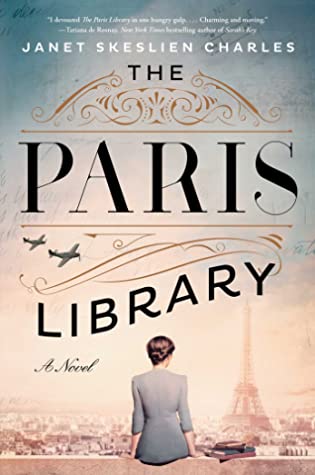
  7. The Paris Library by Janet Skeslien Charles, Odile Souchet at the American Library in Paris
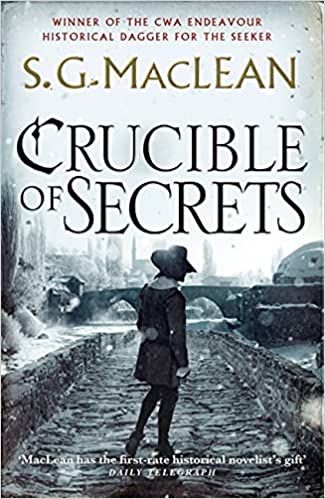
  8. Crucible of Secrets by S G Maclean, Robert Sim, the college librarian (it was called Crucible when I read it)
  9. Titus Groan by Mervyn Peake, Sourdust, the Gormenghast librarian
  10. The Giant’s House by Elizabeth McCracken, Peggy Cort, an introverted librarian

One-Word Reviews for the Last Ten Books I Read.

Top Ten Tuesday is a weekly meme created by The Broke and the Bookish and now hosted by Jana at That Artsy Reader Girl. For the rules see her blog.

The topic this week is One-Word Reviews for the Last Ten Books I Read. I thought this would difficult because how can you sum up a book with just one word? You can’t, because there is so much more to say about a book. On the other hand, it’s good to try to define what a book is about – but not in just one word! There are so many layers and complications, sub-plots and twists and turns to a book to even try to sum it up in one sentence, let alone in one word!

Anyway, I’m not happy with the words I’ve chosen for these books – they fall far short … totally inadequate.

I’ve linked the book to my posts where I’ve written them for a more detailed account. I’m aiming to write reviews for the other three books.

  1. The Homecoming by Anna Enquist -heart-wrenching
  2. The Drowned City by K L Maitland – dark
  3. The Honourable Schoolboy by John Le Carré – spies
  4. Notre-Dame de Paris by Victor Hugo – tragic
  5. A Room With a View by E M Forster – satirical
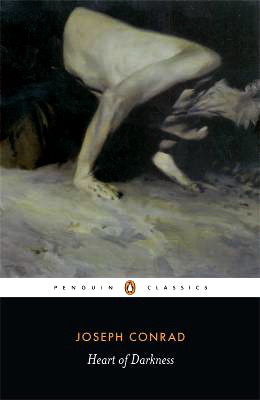
  6. Heart of Darkness by Joseph Conrad – horrific
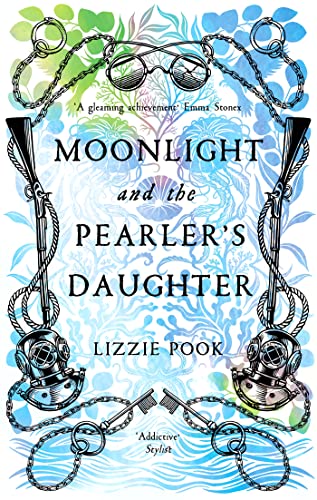
  7. Moonlight and the Pearler’s Daughter by Lizzie Pook – perilous
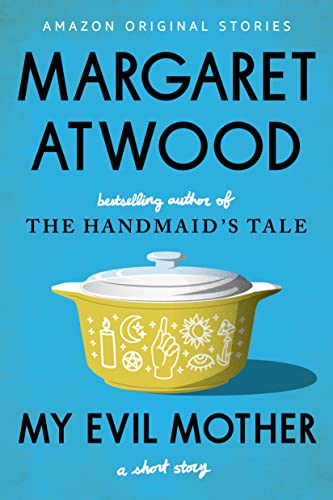
  8. My Evil Mother: a short story by Margaret Atwood – quirky
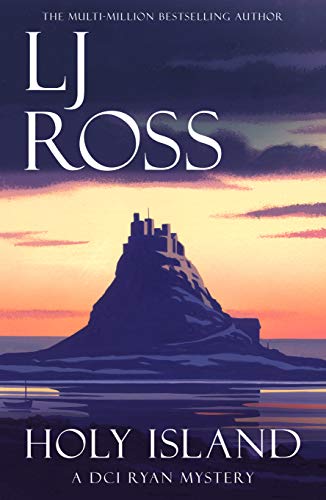
  9. Holy Island by L J Ross – disappointing
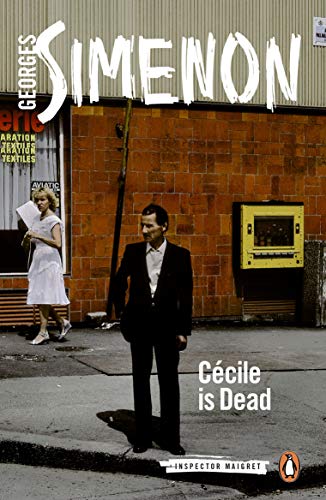
  10. Cécile is Dead by Georges Simenon – greed

Ten Books with Small Boats on the Covers

Top Ten Tuesday is a weekly meme created by The Broke and the Bookish and now hosted by Jana at That Artsy Reader Girl. For the rules see her blog.

The topic this week is a cover freebie. Choose a particular item or design element and find 10 books with that thing on the cover! I’ve chosen books with small boats on the covers – a mix of books that I’ve read or are on my list of books to be read. Books marked with an asterisk are linked to my posts, the others are linked either to Amazon UK or Goodreads.

  1. *Secret River by Kate Grenville – historical fiction following William Thornhill from his childhood in the slums of London to Australia. He was a Thames waterman transported for stealing timber; his wife, Sal and child went with him and together they make a new life for themselves. It’s about struggle for survival as William is eventually pardoned and becomes a waterman on the Hawkesbury River and then a settler with his own land and servants.
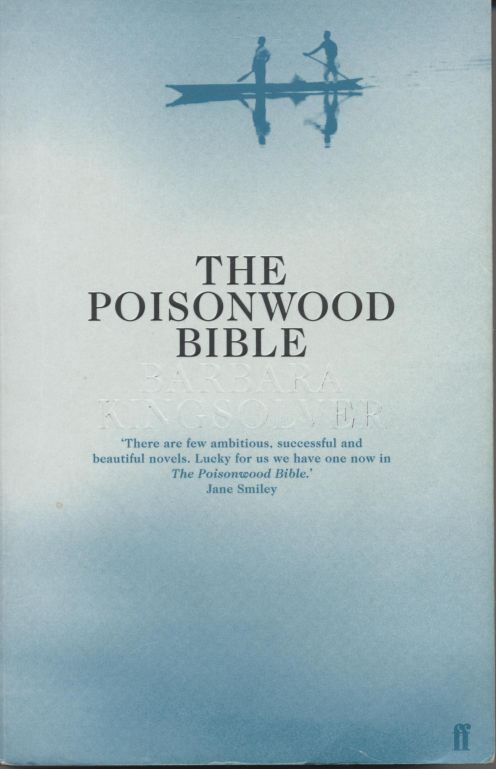
  2. *The Poisonwood Bible by Barbara Kingsolver – narrated by the wife and four daughters of Nathan Price, a fierce evangelical Baptist who takes his family and mission to the Belgian Congo in 1959, it is the story of one family’s tragic undoing and remarkable reconstruction over the course of three decades in postcolonial Africa.
  3. The Island by Victoria Hislop – historical fiction inspired by a visit to Spinalonga, the abandoned Greek leprosy colony. A dramatic tale of four generations, illicit love, violence and leprosy, from the thirties, through the war, to the present day.
  4. Cartes Postales from Greece by Victoria Hislop – short stories – a mix of myths, legends and true stories, Greek history, culture, way of living, family relationships, traditions, customs … with photographs (black and white in my paperback copy) of the stunning Greek landscape.
  5. Recalled to Life by Reginald Hill – Dalziel and Pascoe crime fiction, a cold case investigation into a murder committed in 1963. The title and chapter headings are all from A Tale of Two Cities by Charles Dickens.
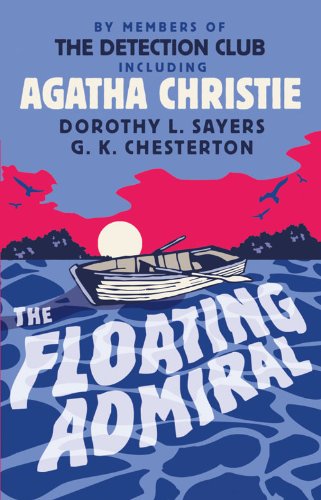
  6. The Floating Admiral by Members of the Detection Club – Agatha Christie, Dorothy L. Sayers, G.K. Chesterton and nine other writers from the legendary Detection Club collaborate in this crime novel about an old sailor who lands a rowing boat containing a fresh corpse with a stab wound to the chest.
  7. *The Birdwatcher by William Shaw – set in Dungeness on the Kent coast. Police Sergeant William South (not a detective) is a birdwatcher a methodical and quiet man. His friend, a fellow birdwatcher, Bob Rayner has been brutally beaten to death. DS Alexandra Cupidi, a new CID officer, is leading the investigation and Shaw is reluctantly assigned to her team. 
  8. *The Painted Veil by W Somerest Maugham – set in 1920s London and China this novel is about Kitty and Walter Fane, a bacteriologist. When her husband discovers her adulterous affair, he forces her to accompany him to the heart of a cholera epidemic. Kitty is at first very bitter, miserable and lonely but her life is changed when she volunteers to help at the orphanage run by a group of French nuns.
  9. *Portrait of an Unknown Woman by Vanora Bennett – historical fiction about Sir Thomas More’s fall from Henry VIII’s favour and that of his adopted daughter Meg Giggs and her love for two men – John Clements, the family’s former tutor, and the painter, Hans Holbein. Bennett puts forward a theory about John Clements’ true identity drawn from an analysis and an interpretation of two paintings by Hans Holbein of the More family and also his painting, The Ambassadors
  10. Lindisfarne: the Cradle Island by Magnus Magnusson – nonfiction, telling the story of the island, also called Holy Island, its people and nature from the beginning to the present day, exploring the natural history and archaeology of the region. There are chapters on Roman Britain, the vikings, st Cuthbert, the Lindisfarne Gospels, the castle, the priory, the nature reserve and managing the wild.

Ten Authors I Haven’t Read, But Want To

Top Ten Tuesday is a weekly meme created by The Broke and the Bookish and now hosted by Jana at That Artsy Reader Girl. For the rules see her blog.

This week the topic is Authors I Haven’t Read, But I Want to Read Books by Them  My list is of some of these authors and the books by them that I own but haven’t read yet.

  1. Pat Barker – The Regeneration Trilogy
  2. William Boyd – Love is Blind
  3. Jessie Burton – The Miniaturist
  4. Alys Clare – The Enchanter’s Forest
  5. Patricia Highsmith – Strangers on a Train
  6. Robin Hobb – Assassin’s Apprentice
  7. Stieg Larsson – the Millenium series
  8. Michael Ondaatje – The English Patient
  9. Salman Rushdie – Quichotte
  10. Irving Stone – The Agony and the Ecstasy

Ten Nature TBRs

Top Ten Tuesday is a weekly meme created by The Broke and the Bookish and now hosted by Jana at That Artsy Reader Girl. For the rules see her blog.

It’s a Freebie this week, so I’ve chosen to list ten books on various aspects of nature that I haven’t read yet. I got this idea a few weeks ago from Hopewell’s Public Library of Life’s blog when she listed some of her nature TBRs.

The Feather Thief: Beauty, Obsession, and the Natural History Heist of the Century by Kirk Wallace Johnson – this combines many genres – biography, true crime, ornithology, history, travel and memoir – to tell the story of an audacious heist of rare bird skins from the Natural History Museum at Tring in 2009. Chris Packham recommended this book on his lockdown programme the Self-Isolating Bird Club and I thought it sounded fascinating.

The Hidden Life of Trees Peter Wohlleben – I love trees but I never thought that trees had a ‘hidden life’ as described in this book. So, I was intrigued by the title – is it possible that trees are like human families as Wohlleben describes. I admit that I am sceptical, but as I haven’t read it yet I’m trying to keep an open mind. This book is described as drawing on groundbreaking scientific discoveries to describe how trees are like human families: tree parents live together with their children, communicate with them, support them as they grow, share nutrients with those who are sick or struggling, and even warn each other of impending dangers.

I have often wondered what animals are thinking and feeling – especially when I saw the reaction of Ben, our dog when Zoe, our other dog died. He was clearly devastated and howled. So, I want to read The Inner Life of Animals: Surprising Observations of a Hidden World  by Peter Wohlleben – stories about the emotions, feelings, and intelligence of animals around us. Animals are different from us in ways that amaze us – and they are also much closer to us than we ever would have thought. 

Rain: Four Walks in English Weather by Melissa Harrison – a ‘meditation on the English landscape in wet weather.’ She describes four walks in the rain over four seasons, across Wicken Fen, Shropshire, the Darent Valley and Dartmoor. I have to admit that I’m not keen on walking in the rain, so I’m hoping to find encouragement in this book.

 The Therapeutic Garden by Donald Norfolk is a book I’ve had for years. I’ve not read all of it – just dipped into a few chapters. It’s about the healing power of nature through gardening. I am not a keen gardener, I don’t know enough about it. This is not a practical ‘how-to’ gardening book, but uses gardening as an enjoyable means to bring wholeness, health and healing.

Another book about the value of gardening to relieve stress and help us look after our mental health is The Well Gardened Mind: Rediscovering Nature in the Modern World by Sue Stuart-Smith. It combines contemporary neuroscience, psychoanalysis and brilliant storytelling, to investigate the magic that many gardeners have known for years – working with nature can radically transform our health, wellbeing and confidence.

The Wild Remedy: How Nature Mends Us – A Diary by Emma Mitchell. This is another book Chris Packham recommended and Emma appeared several times on his Self Isolating Bird Club. The book is beautifully illustrated and is Emma’s diary of her walks along the paths and trails around her cottage and further afield, sharing her nature finds and tracking the lives of local flora and fauna over the course of a year. 

The Overstory by Richard Powers, a novel about nine strangers brought together by an unfolding natural catastropheA friend recommended this book, telling me how wonderful it is. It’s about trees and about protecting trees – and I love trees!

Islands of Abandonment: Life in the Post-Human Landscape by Cal Flyn, a book about what happens when humans leave and nature is allowed to reclaim its place. It looks at Chernobyl, uninhabited Scottish islands, volcanic regions of the Caribbean and the lush forests of Tanzanian mountains.

We have lots of books about birds, most of which are reference books to dip into to identify the birds we don’t recognise, but Garden Bird Songs and Calls by Geoff Sample is a bit different. It’s a short book – an audio guide, designed to help identify birds by their song with a CD of the sounds of 40 of the most common and vocal garden birds. There are also written descriptions of the songs. So far I’ve only tried to identify the robin’s song.