Top Ten Tuesday is a weekly meme created by The Broke and the Bookish and now hosted by Jana at That Artsy Reader Girl. For the rules see her blog.
The topic this week is Series I’d Like to Start/Catch up on/Finish, and because I listed some of the book series I’m still reading in an earlier post, I’ve decided to look at some series I might like to start reading.
Top Ten Tuesday is a weekly meme created by The Broke and the Bookish and now hosted by Jana at That Artsy Reader Girl. For the rules see her blog.
The topic this week is: Favorite Words (This isn’t so much bookish, but I thought it would be fun to share words we love! These could be words that are fun to say, sound funny, mean something great, or make you smile when you read/hear them.)
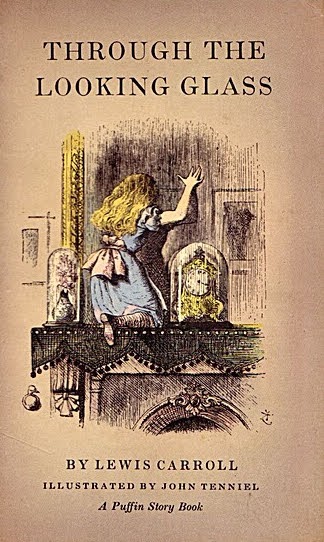
I’m using Through the Looking Glass by Lewis Carroll as my source of fun words – more than ten. The illustrations are all from my old paperback copy of the book.
I think his poem Jabberwocky in Through the Looking Glass is just perfect for my TTT post this week, full of weird and wonderful words.
illustration by John Tenniel
This was a great favourite of mine as a child and I still love the poem, Jabberwocky which begins:
Twas brillig and the slithy toves
Did gyre and gimble in the wabe;
All mimsy were the borogroves,
And the mome raths outgrabe.
Beware the Jabberwock, my son!
The jaws that bite, the claws that catch!
Beware the Jujub bird, and shun
The frumious Bandersnatch.
I had no idea what the words meant but I loved the sound of them and learned them off by heart. Humpty Dumpty explains to Alice that ‘brillig’ means ‘4 o’clock’, ‘slithy’ means ‘lithe and slimy’ and ‘toves’ are something like badgers and lizards and corkscrews, to ‘gyre and gimble’ means to go round and round like a gyroscope and make holes like a gimlet and the ‘wabe’ is a grass-plot around a sundial – as shown in this illustration also by John Tenniel:
In The Hunting of the Snark the Jujub bird is described in much greater depth than in Jabberwocky. It is found in a narrow, dark, depressing and isolated valley. Its voice when heard is described as a scream, shrill and high, like a pencil squeaking on a slate, and significantly it scares those who hear it. Frumious Carroll claimed, means a combination of fuming and furious and a bandersnatch is also described in Carroll’s The Hunting of the Snark, as a creature with a long neck and snapping jaws, and both works describe it as ferocious and extraordinarily fast.
Top Ten Tuesday is a weekly meme created by The Broke and the Bookish and now hosted by Jana at That Artsy Reader Girl. For the rules see her blog. The topic this week is: Books I Read On Vacation.
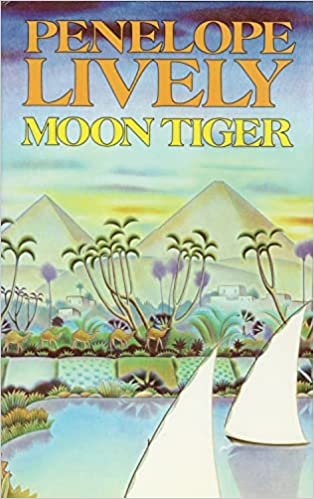
Ammonites and Leaping Fish: a Life in Time by Penelope Lively –
Looking back I remember buying three books in Gatwick airport bookshops before boarding planes to go on holiday:
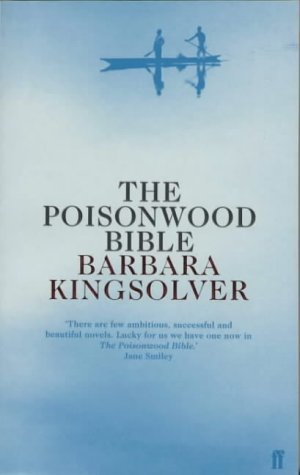
The Poisonwood Bible by Barbara Kingsolver – I bought this just before boarding a plane to go on holiday to Cyprus, so I read it on the plane and by the swimming pool.
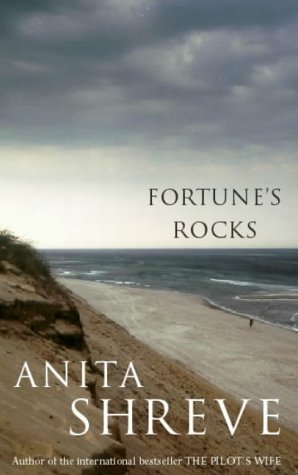
Fortune’s Rocks by Anita Shreve – another book I read on holiday in Cyprus.
Happenstance by Carol Shields – I read this one in Tunisia. I began reading it in the departure lounge, then on the plane and round the hotel pool.
The next four in a holiday cottage near Painswick in the Cotswolds.
Top Ten Tuesday is a weekly meme created by The Broke and the Bookish and now hosted by Jana at That Artsy Reader Girl. For the rules see her blog. The topic this week is: Typographic Book Covers (Book covers with a design that is all or mostly all words.)
At first I didn’t think I’d have enough typographic book covers for a post so I was surprised to find that I have, although some do have a small illustration. These are all books I own, some of which I’ve read (marked with asterisks * and with links to my posts).
I was shocked and saddened to hear that Hilary Mantel died on 22 September, aged 70 after suffering a stroke – here’s a link to an obituary. I’ve enjoyed a lot of her books, including the one list below.
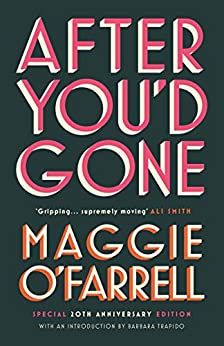
*After You’d Gone by Maggie O’Farrell – Alice is in a coma after being in road accident, which may or may not have been a suicide attempt. She has been grieving the death of her husband, John.
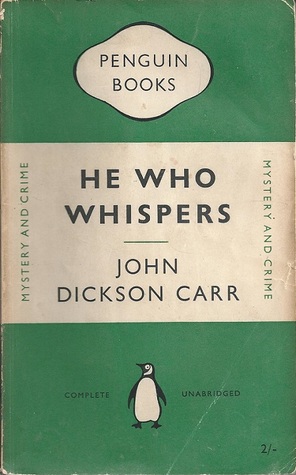
*He Who Whispers by John Dickson Carr – a locked room’ type of mysteries/impossible crimes, featuring Dr Gideon Fell, an amateur sleuth.
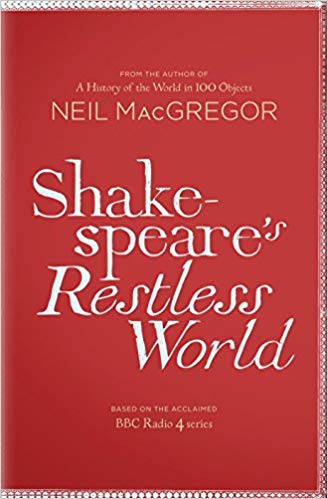
*Shakespeare’s Restless World by Neil MacGregor – nonfiction that recreates Shakespeare’s world through examining twenty objects. It reveals so much about the people, their ideas and living conditions, who went to see Shakespeare’s plays.
*The Burning Chambers by Kate Mosse – the first novel in a trilogy set in Languedoc in the south-west of France. It’s set in 1562 during the French Wars of Religion.
Eight Months on Ghazzah Street by Hilary Mantel – life in Saudi Arabia seen through the eyes of Frances, the wife of an ex-pat British engineer. The streets are not a woman’s territory; confined in her flat, she finds her sense of self begins to dissolve. This was her fourth novel, inspired by the four years she lived in Jeddah.
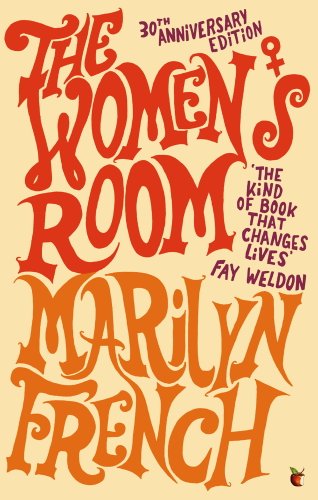
The Women’s Room by Marilyn French – described as ‘one of the most influential novels of the modern feminist movement.’ It was first published in 1977 to a barrage of criticism
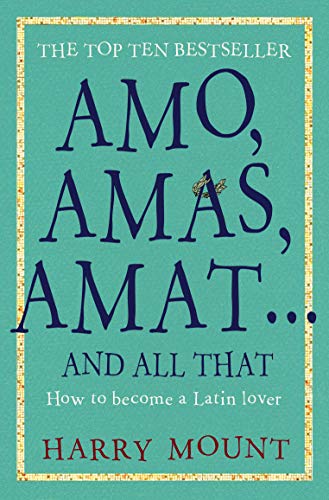
Amo, Amas, Amat … And All That by Harry Mount – a guided tour of Latin featuring everything from a Monty Python grammar lesson to David Beckham’s tattoos. I’ve dipped into this one.
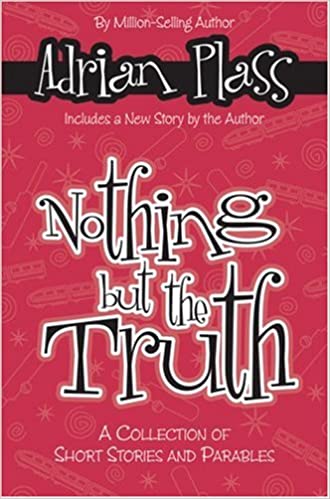
Nothing But the Truth by Adrian Plass – a collection of short stories and parables, both serious and comedic.
Persephone Book of Short Stories – an anthology of women’s short stories organised in chronological order through the twentieth century ranging from 1909 to 1986 with mini biographies at the back. I’ve read some of these.
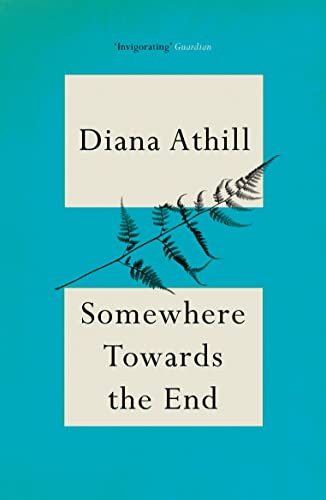
*Somewhere Towards the Endby Diana Athill – a memoir about what it is like getting towards the end of her life. At the time of writing she was 89 years old and looking back on her life with few regrets. She died in 2019 aged 101.
Top Ten Tuesday is a weekly meme created by The Broke and the Bookish and now hosted by Jana at That Artsy Reader Girl. For the rules see her blog. The topic this week is: Books On My Fall 2022 To-Read List.
Some of these books are ones that have been on my TBR list for ages, and some are more recent additions from NetGalley. This is a list of books I want to read, but that does not mean I’ll read them all this autumn as I’m a mood reader and looking at my list of books on my Summer 2022 To-Read List I see that I read just one. Planning what to read next rarely works for me.
Top Ten Tuesday is a weekly meme created by The Broke and the Bookish and now hosted by Jana at That Artsy Reader Girl. For the rules see her blog.
The topic this week is Books with Geographical Terms in the Title (for example: mountain, island, latitude/longitude, ash, bay, beach, border, canyon, cape, city, cliff, coast, country, desert, epicenter, hamlet, highway, jungle, ocean, park, sea, shore, tide, valley, etc. For a great list, click here!) (Submitted by Lisa of Hopewell)
There are many books I could have chosen for this theme, but I decided to choose those with the word ‘River/s’ in the title. These are all books I’ve either read (marked with an *) or are books I own but haven’t read yet.
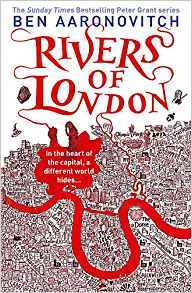
Rivers of London by Ben Aaronovitch* – This is a magical reading experience, and a fast-paced police procedural of a very different kind. It’s fantastical in the literal meaning of the word; an urban fantasy set in the real world of London. It’s a mix of reality and the supernatural. Peter Grant is a Detective Constable and a trainee wizard who is assigned to work with Detective Chief Inspector Thomas Nightingale (who is the last wizard in England) as part of a special and secret branch of the Met, dealing with all things magical and supernatural.
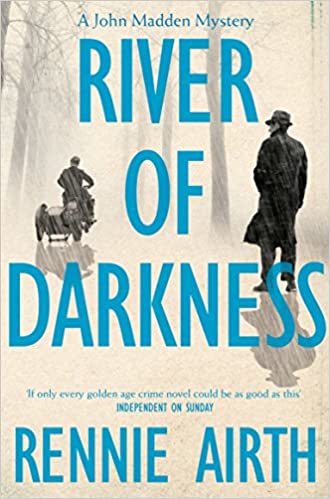
River of Darkness by Rennie Airth – the first novel in his John Madden trilogy, published in 1999. It’s set in 1921 and a terrible discovery has been made at a manor house in Surrey – the bloodied bodies of Colonel Fletcher, his wife and two of their staff. The police seem ready to put the murders down to robbery with violence, but DI Madden from Scotland Yard sees things slightly differently.
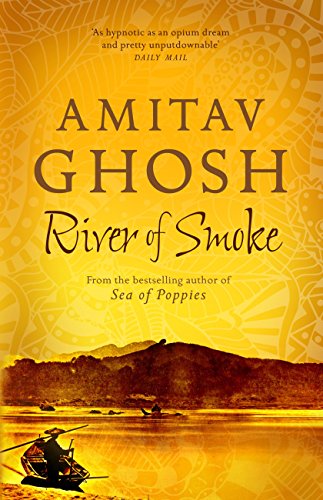
River of Smoke by Amitav Ghosh – In September 1838, a storm blows up on the Indian Ocean and the Ibis, a ship carrying a consignment of convicts and indentured laborers from Calcutta to Mauritius, is caught up in the whirlwind. River of Smoke follows its storm-tossed characters to the crowded harbors of China. There, despite efforts of the emperor to stop them, ships from Europe and India exchange their cargoes of opium for boxes tea, silk, porcelain and silver.
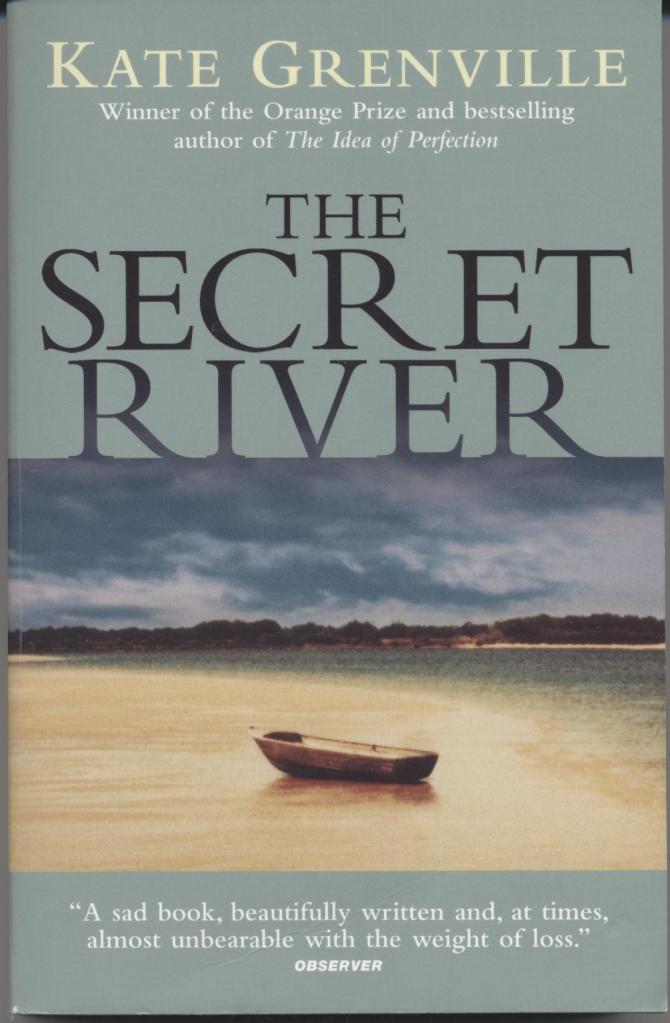
The Secret River by Kate Grenville* – one of my favourite books. It is historical fiction, straight-forward story-telling following William Thornhill from his childhood in the slums of London to Australia. He was a Thames waterman transported for stealing timber; his wife, Sal and child went with him and together they make a new life for themselves. William was eventually pardoned and became a waterman on the Hawkesbury River and then a settler with his own land and servants.
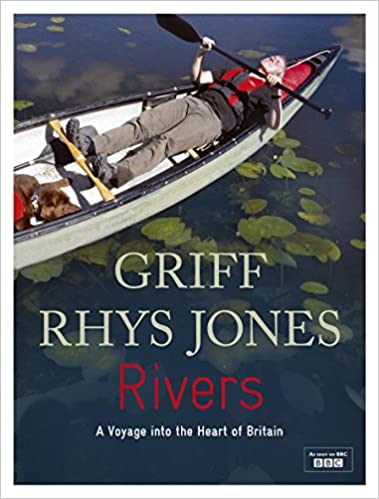
Rivers: A Voyage into the Heart of Britain by Griff Rhys Jones* – Griff is passionate about rivers and opening them up for people to use. The waterways of Britain are the ancient transport routes only superseded by road and rail relatively recently. He writes about the history of rivers – telling how the monks were the first people to use the rivers, creating the water meadows to irrigate the land, how people settled near rivers, how the towns grew up, how they were above all working rivers, and how we have lost our ancient connection with rivers. It is fascinating, complete with line drawings, maps and colour illustrations.
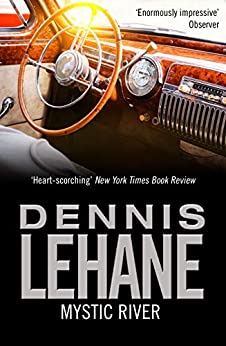
Mystic River by Dennis Lehane – Three boys’ lives were changed for ever when one of them got into a stranger’s car and something terrible happened. Twenty five years later they have to face the nightmares of their past. I’m not sure what to expect from this book, not having read any of Lehane’s books before, but a reviewer in the Guardian described it as one of the finest novels he’d read in ages.
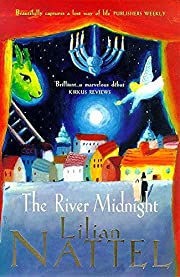
The River Midnight by Lilian Nattel – this is about the fictional village of Blaska, a small Jewish community in Poland at the turn of the 20th century, when Poland was under Russian occupation. It is told from the perspective of a group of women, including Misha, the midwife, Hannah-Leah, the butcher’s wife, and Faygela, who dreams of the bright lights of Warsaw. Myth meets history and characters come to life through the stories of the women’s lives and prayers, their secrets, and the intimate details of everyday life.
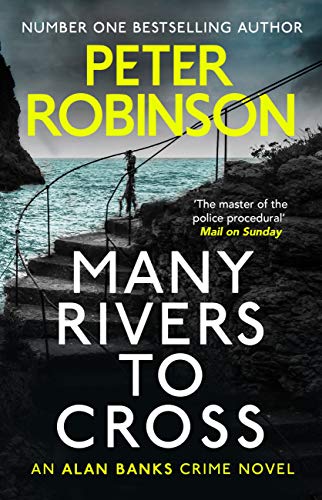
Many Rivers to Cross by Peter Robinson – the 26th Inspector Banks book, in which he and his team investigate the murder of a teenage boy found stuffed into a wheely bin on the East Side Estate. But Banks’s attention is also on Zelda, who in helping him track down his old enemy, has put herself in danger and alerted the stonecold Eastern European sex traffickers who brought her to the UK
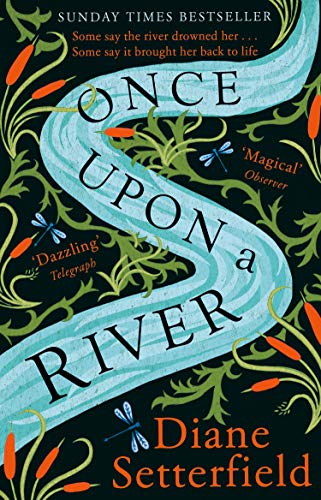
Once Upon a River by Diane Setterfield* – An intriguing and mystifying book, a mystery beginning in the Swan Inn at Radcot, an ancient inn, well-known for its storytelling, on the banks of the Thames. A badly injured stranger enters carrying the drowned corpse of a little girl. It’s mystifying as hours later the dead child, miraculously it seems, takes a breath, and returns to life. The mystery is enhanced by folklore, by science that appears to be magic, and by romance and superstition.
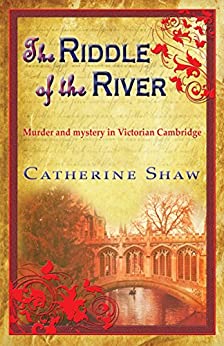
The Riddle of the River by Catherine Shaw* – Set in Cambridge in 1898 Mrs Vanessa Weatherburn used to be a school mistress until she married Arthur. Now with two children (twins) she acts as a private investigator. Vanessa is enlisted by her friend, journalist Patrick O’Sullivan to investigate the death of a young woman found floating, reminding her of Ophelia, in the River Cam.