WWW Wednesday: 22 July 2020

IMG_1384-0

WWW Wednesday is run by Taking on a World of Words.

The Three Ws are:

 What are you currently reading?
What did you recently finish reading?
What do you think you’ll read next?

The book descriptions are from Amazon.

Currently reading:

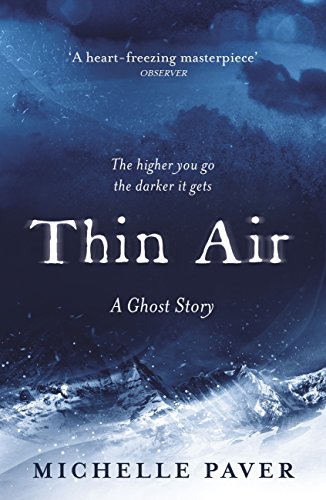
After much deliberation and starting several books from my 20 Books of Summer list I decided to read Thin Air: a Ghost Story by Michelle Paver.

Kangchenjunga. Third highest peak on earth. Greatest killer of them all.

Five Englishmen set off from Darjeeling, determined to tackle the sacred summit. But courage can only take them so far – and the mountain is not their only foe.

As mountain sickness and the horrors of extreme altitude set in, the past refuses to stay buried. And sometimes, the truth won’t set you free. . .

Recently Finished: 

I finished reading The Luminaries yesterday and am still mulling it over. I enjoyed it but I’m not sure I liked the structure, with the length of the chapters decreasing as the story progressed.

It is 1866, and young Walter Moody has come to make his fortune upon the New Zealand goldfields. On the stormy night of his arrival, he stumbles across a tense gathering of twelve local men who have met in secret to discuss a series of unexplained events: A wealthy man has vanished, a prostitute has tried to end her life, and an enormous fortune has been discovered in the home of a luckless drunk. Moody is soon drawn into the mystery: a network of fates and fortunes that is as complex and exquisitely ornate as the night sky.

Reading Next:

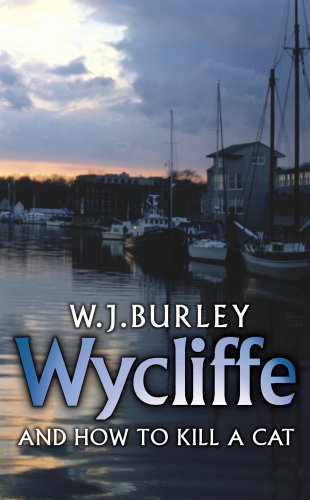
At the moment I think it could be Smallbone Deceased by Michael Gilbert. I wrote about the opening paragraph and included a quotation from page 55 in My Friday post. Ot it could be Wycliffe and How To Kill a Cat by W J Burley. But it might be a different book that takes my fancy when the time comes.

The girl was young, with auburn hair arranged on the pillow. Wycliffe could almost believe she was asleep – that is, until he saw her face. She had been strangled, and someone had brutally smashed her face – but after death, not before… She lay in a seedy hotel room down by the docks, but her luggage, her clothes and her make-up all suggested she had more class than her surroundings.

Superintendent Wycliffe was officially on holiday, but the case fascinated him. Who was the girl? Why was she lying naked in a shabby hotel room? What was she doing with a thousand pounds hidden underneath some clothing? And, above all, why had someone mutilated her after she was dead?

As Wycliffe begins to investigate, he finds there are too many suspects, too many motives – and too many lies . . .

What do you think – which one would you read next?

Six in Six: 2020

I’m pleased to see that Jo at The Book Jotter  is running this meme again this year to summarise six months of reading, sorting the books into six categories – you can choose from the ones Jo suggests or come up with your own. I think it’s a good way at looking back over the last six months’ reading.

This year I haven’t been reading as much as in previous years and up to the end of June the total was standing at 36 books. Several books could fit into the same categories, so to avoid duplication, for my last category I’ve chosen Jo’s category of ‘Six authors I read last year – but not so far this year‘ and added the books by those authors that I want to read.

Here are my six categories (with links to my reviews, except for the category of Six Authors I Read Last Year, which I’ve linked to Amazon UK):

Six Crime Fiction

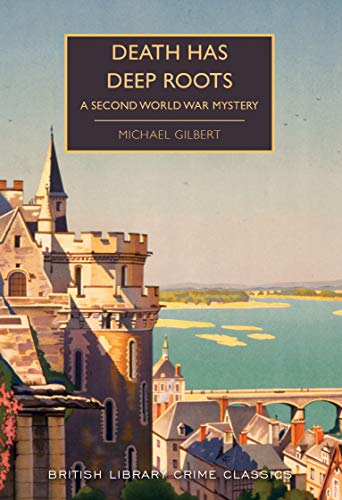
  1. Death Has Deep Roots by Michael Gilbert
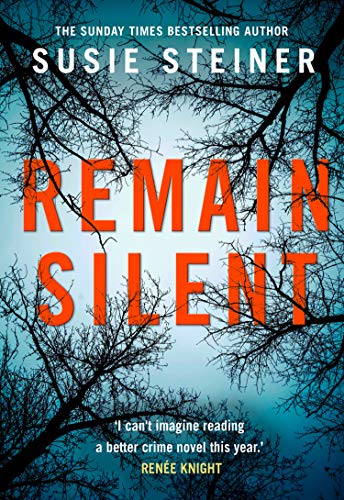
  2. Remain Silent by Susie Steiner
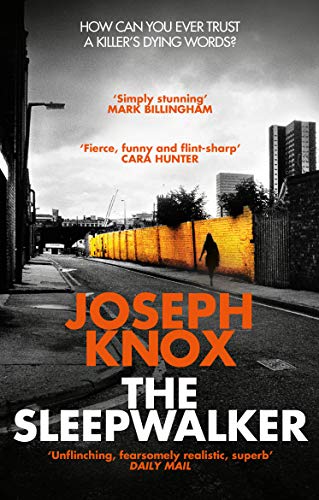
  3. The Sleepwalker by Joseph Knox
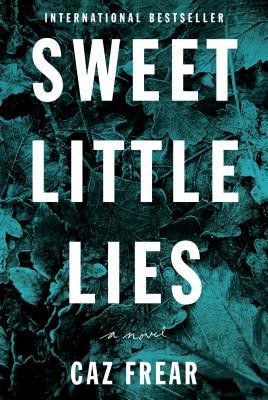
  4. Sweet Little Lies by Caz Frear
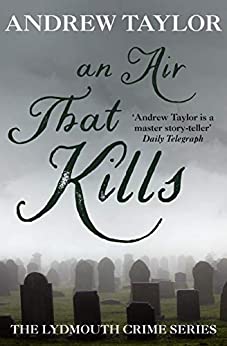
  5. An Air That Kills by Andrew Taylor
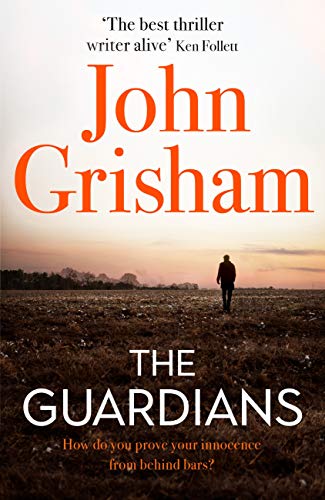
  6. The Guardians by John Grisham

Six Authors New to me

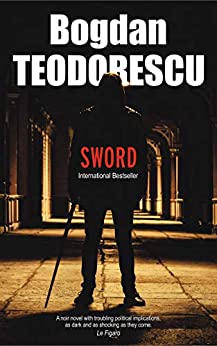
  1. Sword by Bogdan Teodorescu
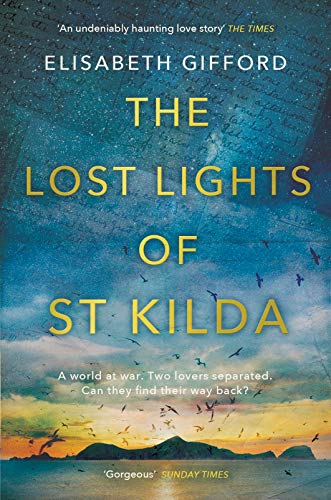
  2. The Lost Lights of St Kilda by Elisabeth Gifford
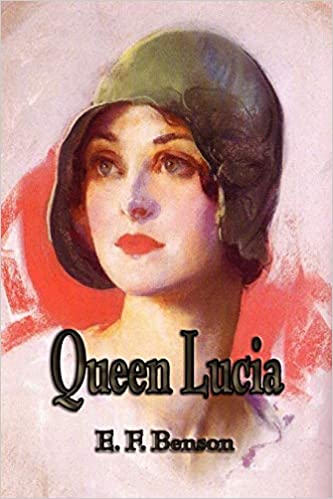
  3. Queen Lucia by E F Benson
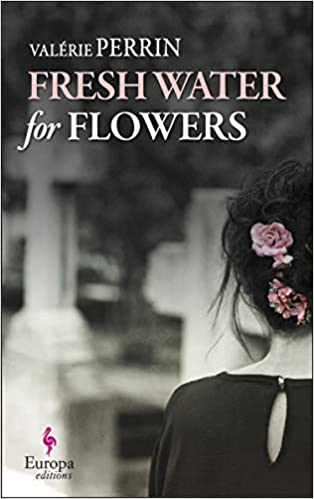
  4. Fresh Water for Flowers by Valérie Perrin
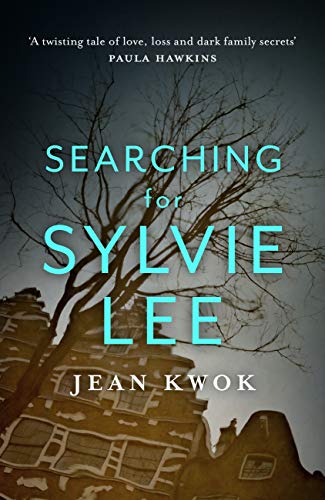
  5. Searching for Sylvie Lee by Jean Kwok
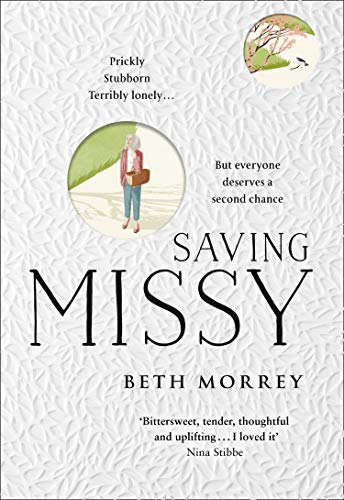
  6. Saving Missy by Beth Morrey

Six books from the past that drew me back there

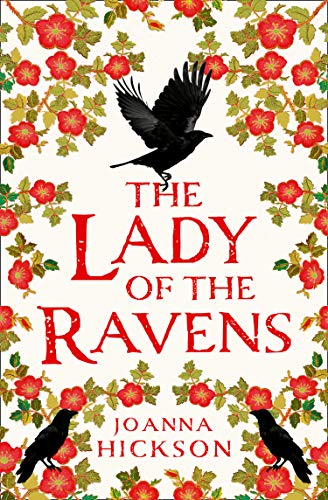
  1. The Lady of the Ravens by Joan Hickson
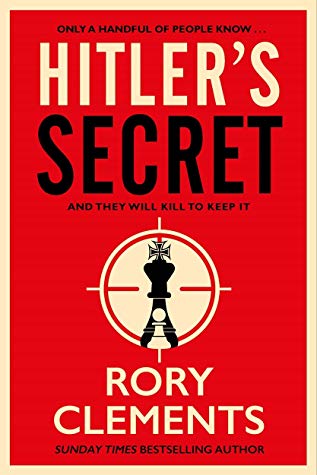
  2. Hitler’s Secret by Rory Clements
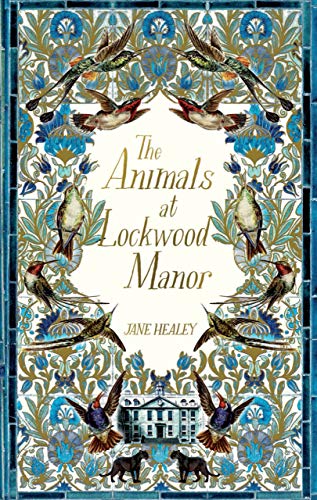
  3. The Animals at Lockwood Manor by Jane Healey
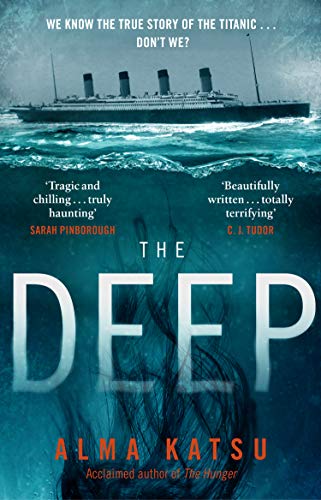
  4. The Deep by Alma Katsu
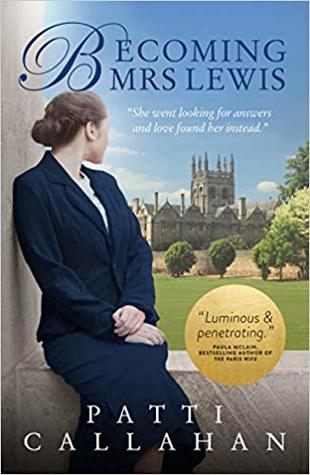
  5. Becoming Mrs Lewis by Patti Callahan
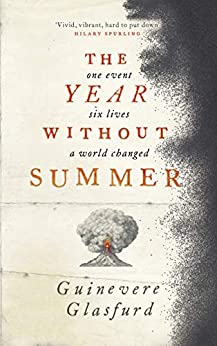
  6. The Year Without Summer by Guinevere Glasfurd

Six  Books I Read on Kindle

  1. The Last Day by Andrew Hunter Murray
  2. Writing Wild by Kathryn Aalto
  3. The Dutch House by Ann Patchett
  4. Looking Good Dead by Peter James
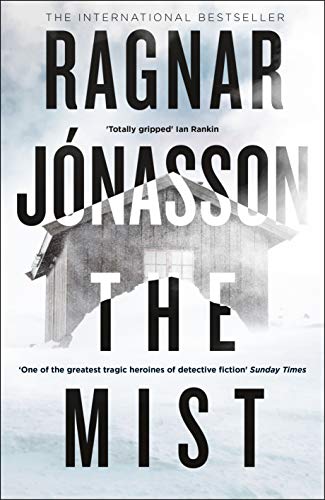
  5. The Mist by Ragnar Jonasson
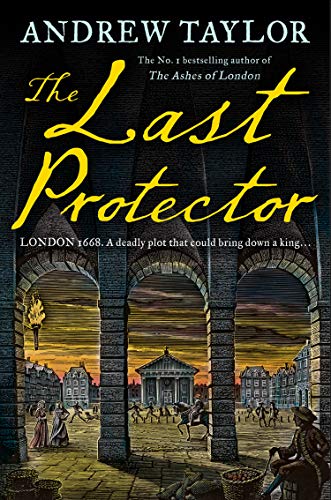
  6. The Last Protector by Andrew Taylor

Six Physical Books I Read

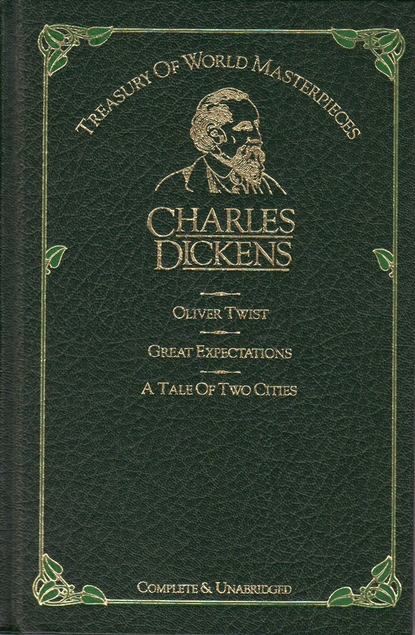
  1. Oliver Twist by Charles Dickens
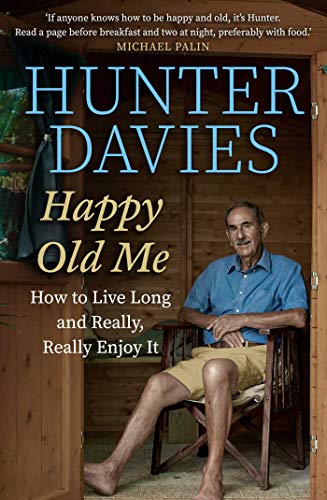
  2. Happy Old Me by Hunter Davies
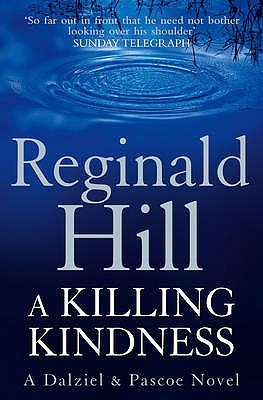
  3. A Killing Kindness by Reginald Hill
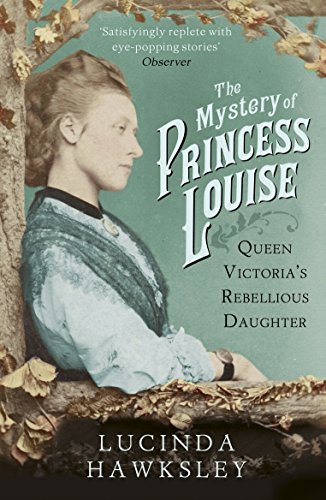
  4. The Mystery of Princess Louise by Lucinda Hawksley
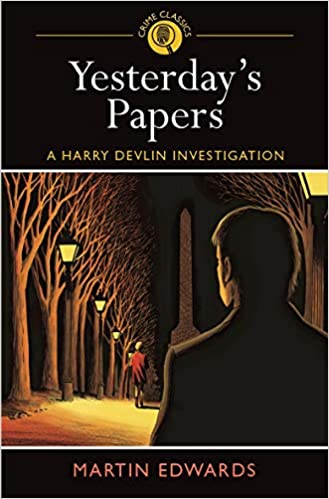
  5. Yesterday’s Papers by Martin Edwards
  6. Deadheads by Reginald Hill

Six authors I read last year – but not so far this year and their books I want to read

  1. Jo Spain – With Our Blessing – the 1st Inspector Tom Reynolds mystery, because I’ve read the 4th book, but not the first three.
  2. Jane Harper – The Dry – the 1st Aaron Falk novel. I’ve already read the 2nd, Force of Nature.
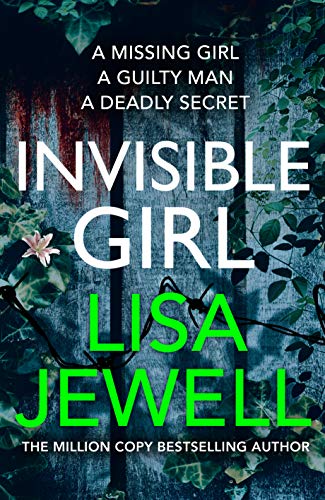
  3. Lisa Jewell – Invisible Girl – her new novel to be published 6 August.
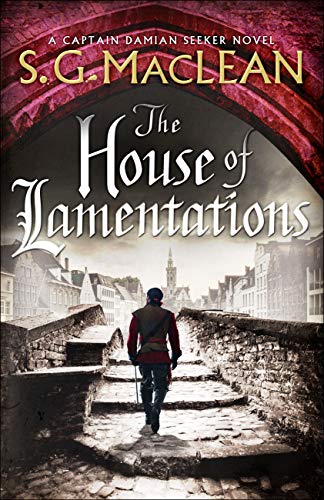
  4. S G Maclean – The House of Lamentations – the final Damian Seeker novel – I’ve read the first four.
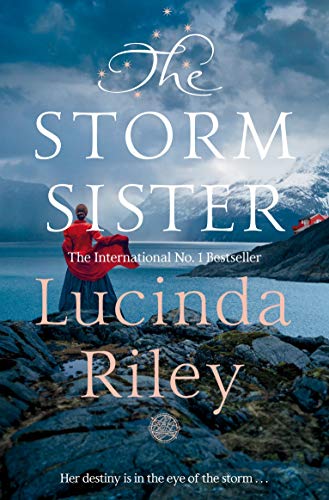
  5. Lucinda Riley – The Storm SisterThe Seven Sisters Book 2. I’ve read the first one.
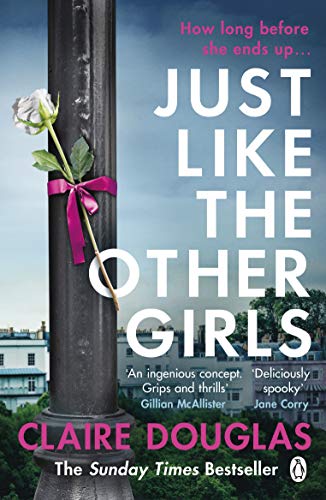
  6. Claire Douglas – Just Like the Other Girls – her new thriller to be published 6 August.

How is your reading going this year? Do let me know if you take part in Six in Six too.

The Mystery of Princess Louise by Lucinda Hawksley

Mystery of Princess Louise

Vintage Books | 2014 | 416 pages | Paperback | library book | 4.5*

This is another catching up post. I finished reading The Mystery of Princess Louise: Queen Victoria’s Rebellious Daughter by Lucinda Hawksley during lockdown on 21 April, but didn’t feel like reviewing it that time. It’s a library book and as the library is still closed it has been renewed automatically for me.

Princess Louise was Victoria’s sixth child – her fourth daughter, born on 18th March 1848. It was an agonising and terrifying birth in a year of revolution and rebellion, a time when royal families throughout Europe were being deposed and in Britain the working classes were agitating for higher pay, better working conditions and more legal rights.

There is so much detail about her life in this book, packed with intrigues, scandals and secrets.

Blurb:

What was so dangerous about Queen Victoria’s artistic tempestuous sixth child, Princess Louise?

When Lucinda Hawksley started to investigate, often thwarted by inexplicable secrecy, she discovered a fascinating woman, modern before her time, whose story has been shielded from public view for years.

Louise was a sculptor and painter, friend to the Pre-Raphaelites and a keen member of the Aesthetic movement. The most feisty of the Victorian princesses, she kicked against her mother’s controlling nature and remained fiercely loyal to her brothers – especially the sickly Leopold and the much-maligned Bertie. She sought out other unconventional women, including Josephine Butler and George Eliot, and campaigned for education and health reform and for the rights of women. She battled with her indomitable mother for permission to practice the ‘masculine’ art of sculpture and go to art college – and in doing so became the first British princess to attend a public school.

The rumours of Louise’s colourful love life persist even today, with hints of love affairs dating as far back as her teenage years, and notable scandals included entanglements with her sculpting tutor Joseph Edgar Boehm and possibly even her sister Princess Beatrice’s handsome husband, Liko. True to rebellious form, she refused all royal suitors and became the first member of the royal family to marry a commoner since the sixteenth century.

My thoughts:

I knew nothing about Princess Louise. She had a difficult childhood, disliked and bullied by her mother and she often rebelled against the restrictions of life as a princess. She had an unhappy marriage to John Campbell, the Marquess of Lorne, later the 9th Duke of Argyll, a homosexual, and went with him to Canada in 1882 when he was appointed as Governor-General. Her relationship with Canada became a love-hate one, but began and ended with Canadian adoration.

The scandals arose about whether she had had an illegitimate child and her long term love affair with the sculptor Joseph Boehm. The mystery is still unresolved as Louise’s files in the Royal Archives are closed and her husband’s family archives are inaccessible.

Lucinda Hawksley writes:

I discovered that it was not only information about Princess Louise that had been hidden away, but information about a vast number of people who had played a role in her life, including royal servants and her art tutors. A great many items about these people that one would expect to be in other collections have been absorbed into the Royal Collection. … Over the decades, there has been some very careful sanitising of Princess Louise’s reputation and a whitewashing of her life, her achievements and her personality. (page 3)

I was amazed at her achievements, not only her artistic ability in both painting and sculpture, but also her charitable activities, raising money for hospitals, schools and other causes, such as the Gentlewomen’s Employment Association. She supported general suffrage and equal rights for both genders. She was fascinated by the social reformer Josephine Butler, who campaigned for the abolition of slavery, fed the homeless and worked with prostitutes and single mothers. Louise wanted to help Josephine in her campaign to reform the Contagious Diseases Act but Victoria and most of the rest of her family were outraged and she was forced not to take part. Louise was unconventional, generous and charming to people she liked.

It’s not a book to read quickly, as despite the lack of records, it is very detailed. There is an index and a bibliography, as well as several photographs. In this post I have simply skimmed the surface of all the stories about her, many of them simply amazing. I came away with the impression that she was ahead of her times. She was a forceful personality:

She was renowned by the public for her good looks, her unusual artistic dress sense and her sense of humour. Most importantly, Louise was also known for her compassion and her many ‘good works’. … She was regularly described as ‘captivating’, ‘charming’ and ‘clever’. people felt able to approach her, members of the public wrote letters to her, or begged for her help with charitable of political causes. … she spoke openly and controversially about subjects that other people shrank from and she was not above criticising the monarch. (page 11)

Louise died in 1939 at her home in Kensington Palace. Her last rebellious action was to leave instructions for her cremation – it was a very divisive issue, many were firmly against the idea. Her wishes were respected and a private cremation was carried out and the urn containing her ashes was transported to the Albert Memorial Chapel in Windsor, where her funeral was held. The next day they were interred in the Royal Burial Ground behind the family mausoleum at Frogmore in the Windsor Home Park. She had no legitimate children and the boy that it was claimed she had given up for adoption died in 1907. So it seems unlikely that the truth will ever be known unless the records are released.

Bookshelf Travelling: 11 July 2020

Judith at Reader in the Wilderness hosts Bookshelf Travelling for Insane Times. Judith hasn’t posted on her blog since June 23 and I’m hoping that she’s OK and that, rather than anything else, it’s an internet problem, as where she lives high winds cause branches and trees to topple on power lines.

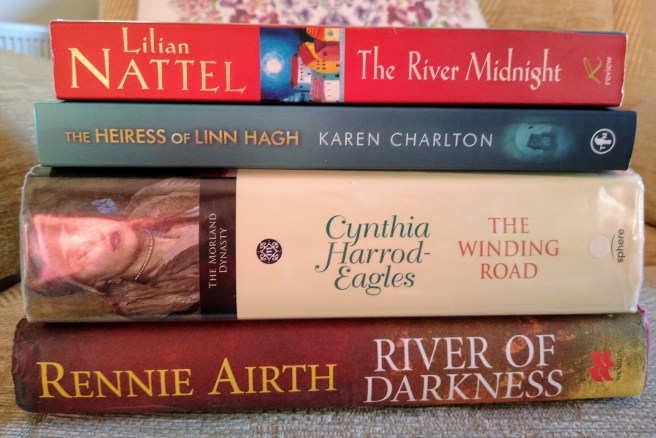
One of my favourite genres is historical fiction, including historical crime fiction. I don’t arrange my books by genre, so these books are shelved with the rest of my fiction in author order. For this week’s post I’ve picked out just four novels, none of which I’ve read yet.

From the bottom up:

River of Darkness by Rennie Airth is a book recommended by fellow book blogger Ann at Café Society. It’s the first novel in his John Madden trilogy, published in 1999. It was shortlisted for four crime fiction awards and won the Grand Prix de Littérature Policière in France. My copy is a hardback, in good condition, that I got from Barter Books in Alnwick.

It is 1921 and a terrible discovery has been made at a manor house in Surrey – the bloodied bodies of Colonel Fletcher, his wife and two of their staff. The police seem ready to put the murders down to robbery with violence, but DI Madden from Scotland Yard sees things slightly differently.

Next up is The Winding Road by Cynthia Harrod-Eagles, a big hardback of 662 pages, that I bought in a library sale. There are 35 books in the Morland Dynasty series and I haven’t read any of them. This is the 34th book in the series, so I am hoping it will read well as a standalone. It’s set in the 1920s, the Jazz Age is in full swing in New York, the General Strike is underway in London, the shadows are gathering over Europe and the Wall Street Crash brings the decade to an end.

The Heiress of Linn Hagh by Karen Charlton is another book I got from Barter Books. This is set in 1809 in Northumberland and it’s a spin-off novel from Catching the Eagle, which features Detective Stephen Lavender and Constable Woods. A beautiful young heiress disappears from her locked bedchamber at Linn Hagh. The local constables are baffled and the townsfolk cry ‘witchcraft’.

The heiress’s uncle summons help from Detective Lavender and his assistant, Constable Woods, who face one of their most challenging cases: The servants and local gypsies aren’t talking; Helen’s siblings are uncooperative; and the sullen local farmers are about to take the law into their own hands. Lavender and Woods find themselves trapped in the middle of a simmering feud as they uncover a world of family secrets, intrigue and deception in their search for the missing heiress.

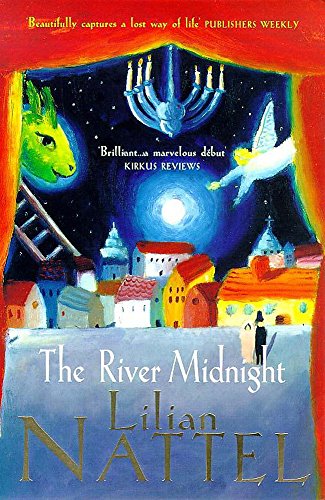
And finally on top of the pile is The River Midnight by Lilian Nattel, a Canadian author I found through reading her blog, Lilian’s Journal. I found this paperback copy in a secondhand bookshop – The Old Melrose Tea Rooms and Bookshop, tucked away down a little lane between the Eildon Hills and the River Tweed, about two miles from Melrose in the Scottish Borders. The bookshop is upstairs in the barn.

The River Midnight is about the fictional village of Blaska, a small Jewish community in Poland at the turn of the 20th century, when Poland was under Russian occupation. It is told from the perspective of a group of women, including Misha, the midwife, Hannah-Leah, the butcher’s wife, and Faygela, who dreams of the bright lights of Warsaw.
Myth meets history and characters come to life through the stories of the women’s lives and prayers, their secrets, and the intimate details of everyday life.

I love the cover of this book – different from the cover available on Amazon.

I’d love to hear from you if you’ve read any of these books, or are tempted by any of them.

Six Degrees of Separation: from What I Loved by Siri Hustvedt to

It’s time again for Six Degrees of Separation, a monthly link-up hosted by Kate at Books Are My Favourite and Best. Each month a book is chosen as a starting point and linked to six other books to form a chain. A book doesn’t need to be connected to all the other books on the list, only to the one next to it in the chain.

This month the chain begins with What I Loved by Siri Hustvedt a book I read and loved some years ago.

In 1975 art historian Leo Hertzberg discovers an extraordinary painting by an unknown artist in a New York gallery. He buys the work, tracks down its creator, Bill Weschler, and the two men embark on a life-long friendship.

This is the story of their intense and trouble relationship, of the women in their lives and their work, of art and hysteria, love and seduction and their sons – born the same year but whose lives take very different paths.

Keeping the World Away by Margaret Forster – this is the story of a painting, a variant of Gwen John’s The Corner of the Artist’s Room in Paris, as over the years it passes from one woman to another. Her room was the image of how her lover, Rodin, wished her to be and she painted a sunlit corner of it where it was “all peace and calm and serenity” in contrast to Gwen herself who “radiated energy”.

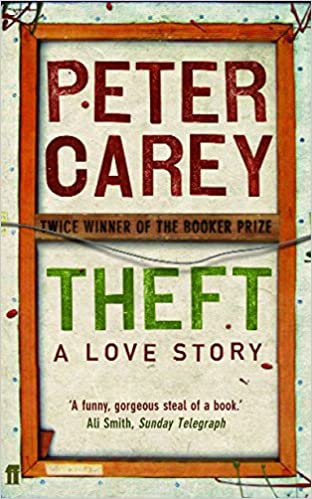
Theft by Peter Carey is set in the art world, about forgeries and details of the international art scene. The book ranges from Australia to Japan and America, with the two Boone brothers, Michael the artist, and Hugh his ‘broken’ brother, who he is ‘looking after’.

Peter Carey is an Australian author, as is Jane Harper. Her book The Lost Man is set in the Queensland outback, hundreds of miles from anywhere and revolves around the death of Cameron Bright, one of the three Bright brothers. They are part of a dysfunctional family. Cameron is found dead, lying at the the base of the headstone of the stockman’s grave. It was the location Cameron had painted – a painting that had won him a prize.

Another dysfunctional family, is the subject of Wakenhyrst by Michelle Paver. This is set in a remote hamlet in the Suffolk Fens, an eerie waterlogged landscape where Edmund Stearn, a historian, and his family live in a large manor house, Wake’s End. Edmund eventually went mad and spent the rest of his life in an asylum, where he created three paintings that astonished the world – grotesque paintings full of colour and tiny malevolent faces leering out of the canvas, the stuff of nightmares.

Another manor house is the setting of The Clockmaker’s Daughter by Kate Morton. Beginning in 1862, when a group of young artists led by the passionate and talented Edward Radcliffe descends upon Birchwood Manor in rural Berkshire. Their plan: to spend a secluded summer month in a haze of inspiration and creativity. But by the time their stay is over, one woman has been shot dead while another has disappeared; a priceless heirloom is missing; and Edward Radcliffe’s life is in ruins. it’s a story of murder, mystery and thievery, of art, love and loss.

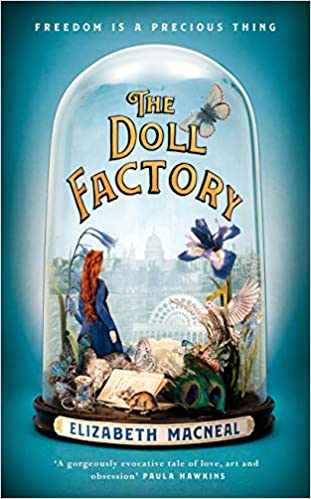
The Doll Factory by Elizabeth Macneal is about Iris, a young woman who worked painting dolls in Mrs Salter’s Dolls Emporium, but who dreamed of being an artist. It tells of her involvement with the Pre-Raphaelite artists and the Great Exhibition of 1851. It was a time when the young artists who had recently formed the Pre-Raphaelite Brotherhood, were challenging the art world with their vivid paintings.

~~~

The books in my chain are all linked by art, beginning in New York and moving to London, via Berkshire, the Suffolk fens, the Australian outback and Paris. Other links are the authors’ nationality, dysfunctional families and manor house settings, in both historical and crime fiction.

Next month (1 August 2020), the chain begins with – How To Do Nothing by Jenny Odell, a book I’ve never come across before.

Bookshelf Travelling: 26 June 2020

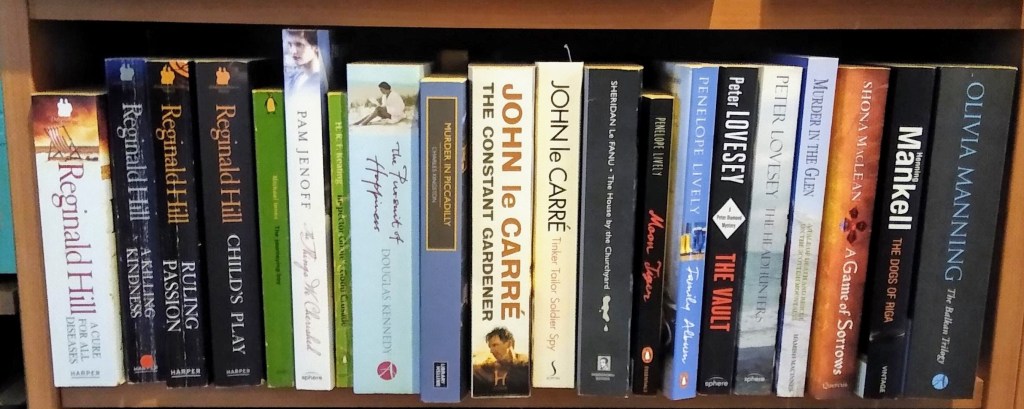
Judith at Reader in the Wilderness hosts Bookshelf Travelling for Insane Times. I’ve got several bookcases of unread novels and most of them are double shelved. This is another shelf of mixed genre fiction, beginning with three of Reginald Hill’s books. It’s a double stacked shelf, so my other Reginald Hill books are sitting behind these.

This shelf is a mixture of crime fiction, spy fiction, general fiction and one book of short stories.

Child’s Play by Reginald Hill is the next Dalziel and Pascoe novel I’m going to read. It’s the 9th book in the series. I’ve been reading them in sequence and each one has been better than the ones before. From the description on the back cover this looks to be a complicated murder mystery with plenty of suspects.
Another murder mystery is Murder in the Glen: a Tale of Death and Rescue on the Scottish Mountains by Hamish MacInnes, a book I bought whilst on holiday in Glencoe a few years ago. It’s set in the 1970s and although fiction it gives a ‘true portrayal of Highland life by a world authority on mountain rescue as well as the the Scottish Highlands.’ On his website the novel is described: ‘A Highland Laird is killed by a high velocity bullet. The action doesn’t stop there, but escalates in a series of deaths and incidents which appear to hinge round a mountain rescue team. There is no cheating on the part of the author; the plot is logical but few who-did-it guru’s have managed to point a finger at the murderer until the second last chapter.’

I first read Tinker Tailor Soldier Spy by John le Carré many years ago (1979), when I watched the BBC series with Alec Guiness as George Smiley. I bought this copy after watching the more recent series (2016) of The Night Manager (I have that on my Kindle) and fancied re-reading Tinker Tailor Soldier Spy. I started reading it – my bookmark is between pages 88 and 89 – I’ll have to go back to the beginning again to refresh my memory before I can finish it.

My final choice from this shelf for today is Olivia Manning’s Balkan Trilogy, containing, all three books, The Great Fortune, The Spoilt City and Friends and Heroes. I read the first two books years and and still have the third to read! The trilogy is a semi autobiographical account of a British couple, Harriet and Guy Pringle living in the Balkans during World War Two.

This shelf is in one of the bookshelves that greet you as you walk in our front door.