Nonfiction November is back.
- Week 1 – 2nd -8th Nov – My Year in Nonfiction hosted by Heather @Based on a True Story.
- Week 2 – 9th -15th Nov – Nonfiction Journeys hosted by Frances @Volatile Rune.
- Week 3 – 16th – 22nd Nov – Nonfiction Pairings hosted by Liz @Adventures in Reading, Running and Working from Home.
- Week 4 – 23rd – 29th Nov – What I’ve Added to my TBR hosted by Deb @Readerbuzz.
Week 1 (November 2-8) – My Year in Nonfiction – Heather. What nonfiction books did you read this year? What were your favorites? Did you find yourself reading a particular category of nonfiction most often? Is there a topic you want to read about more? What are you hoping to get out of participating in Nonfiction November?
Hosted by Heather at Based on a True Story. Heather is a veterinarian living in Ohio who blogs at Based on a True Story. She reads all genres but really loves nonfiction and fantasy.
I love nonfiction but I don’t read enough of it. From December 2025 to date I’ve read 8 books, mainly autobiography/biography, nature and history. I enjoyed each one of these books, so they’re all my favourites. It’s been quite a hard year for me this year with different health issues and so although I’ve carried on reading regardless I haven’t reviewed many books and I’ve only reviewed two of these (marked with an *). I’ve linked those I haven’t reviewed to Goodreads or Amazon.
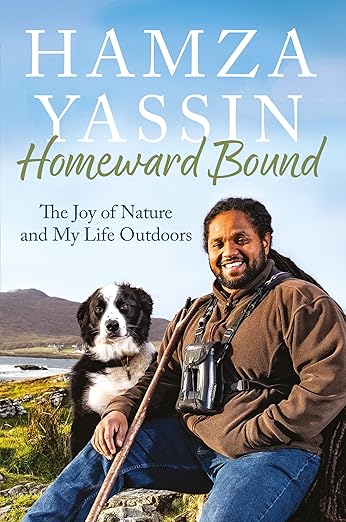

*Homeward Bound by Hamza Yassin, a British wildlife cameraman and presenter. This a beautiful book, conveying his passion for nature and wildlife and his sense of wonder at it all. If you love nature you’ll love this book.
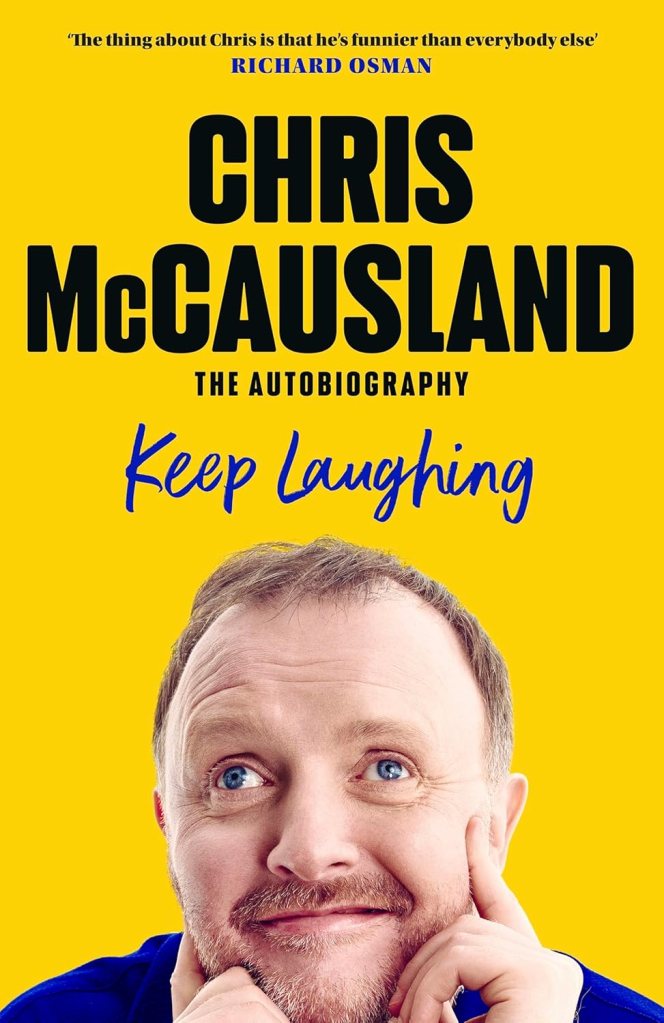
Keep Laughing: the Autobiography by Chris McCausland – Chris is an English actor and a stand-up comedian. He has appeared on comedy shows such as Have I Got News for You, Would I Lie to You?, QI, The Last Leg, and 8 out of 10 Cats Does Countdown. He is blind due to retinitis pigmentosa, so I was absolutely amazed and full of admiration seeing how well he did and even more so when I read his life story.
Chris was born in Liverpool. He writes about the fact that even as a baby his eyesight was beginning to deteriorate. He describes it as ‘a slow march over a quarter of a century into a blurry soup of nothingness.‘ By the age of 10 he was down to about 25%. He could only read a book if it had large print and he held it close to his face. By the age of 25 a blurry nothing would cloud everything and eventually he reached a state of unchanging blindness.
I intend to write more about this book.
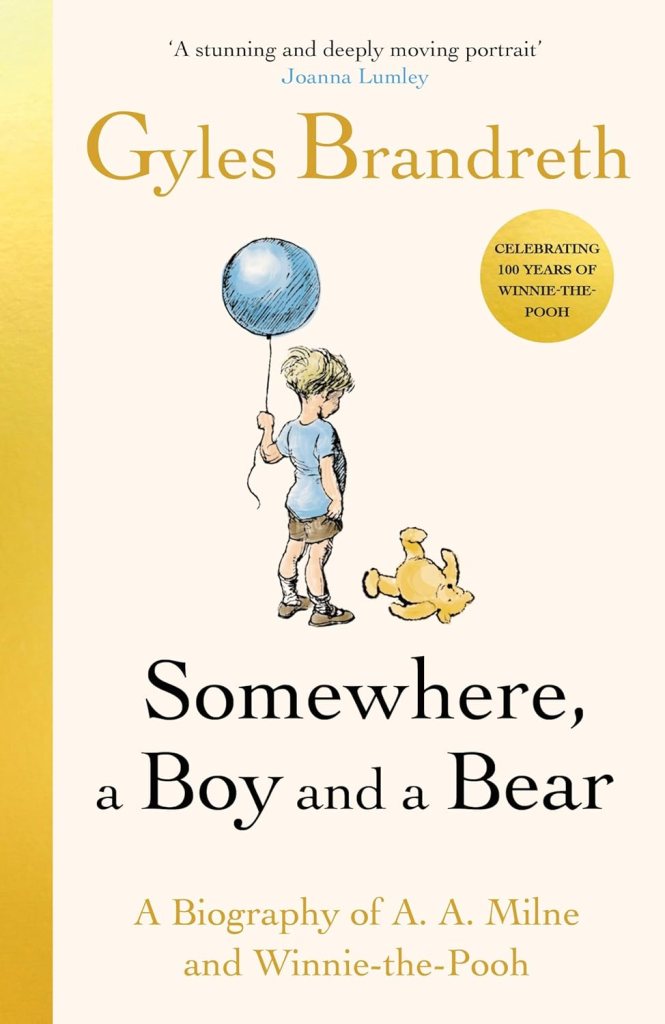
Somewhere, a Boy and a Bear: The Remarkable Life of A.A. Milne and the Legacy of Winnie the Pooh Bear by Gyles Brandreth. This is the story of a man, a boy and a bear – but it is also a gripping family drama, and a fascinating exploration of the complicated nature of growing up, and the impossible longing for a return to the enchanted places of childhood.
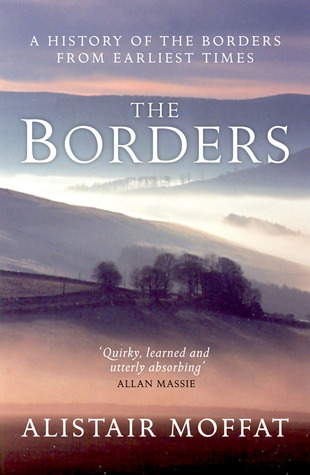
The Borders: A History of the Borders from Earliest Times by Alistair Moffat. A long, detailed book about the land that covers the southern part of Scotland and the northern part of England. It is nonfiction but begins with an imaginary description of life in the most ancient times ‘where hunter-gatherers penetrated into the virgin interior‘, and continues through the centuries to the modern era, ending in 1979. At over 600 pages this took me a long time to read. I shall try to write in more detail about it in due course.
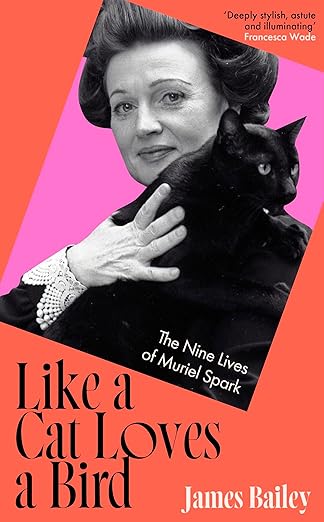
*Like a Cat Loves a Bird by James Bailey – an account of Muriel Spark’s life and works, drawing on a wide range of sources. He writes about her childhood in Edinburgh to her final years in Tuscany—via South Africa, London, New York, and Rome and he gives a synopsis of each of her books. Muriel Spark was a complex person who took brave choices in her life, but writing was her main motivation, or even her obsession. Bailey’s book is balanced between giving insights into her personal life, and into her work, showing how the two were intricately intertwined.
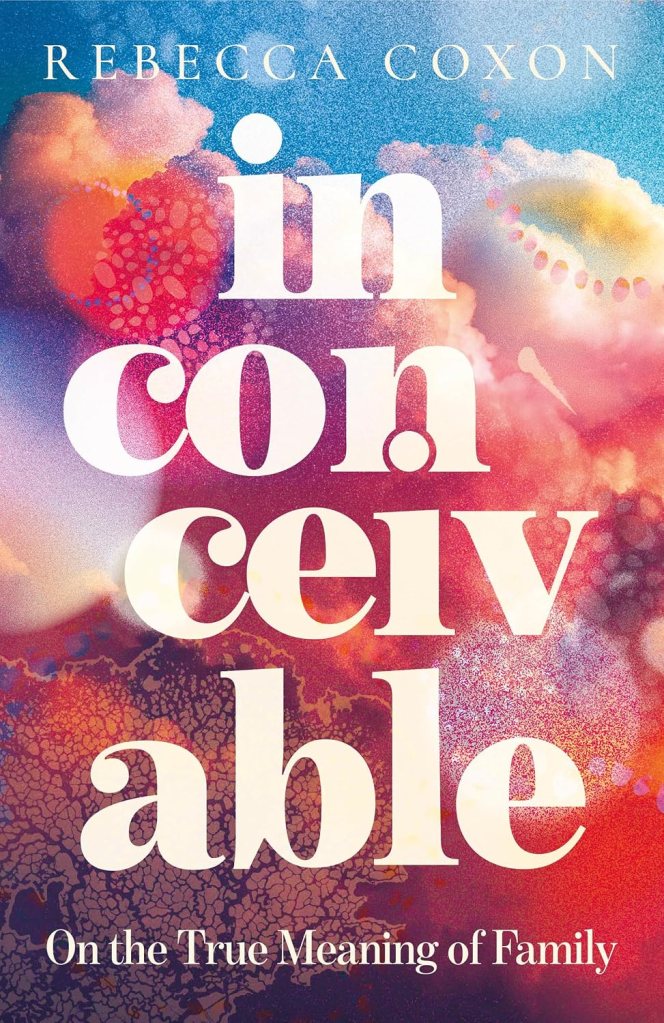
Inconceivable by Rebecca Coxon, a heart-wrenching memoir about a number of issues – infertility, endometriosis, donor conception and the complexity of family relationships. Rebecca Coxon, who was previously a documentary-maker, winning Edinburgh TV Festival’s ‘Debut Director’ award in 2020 and was shortlisted for the British Journalism Awards in 2022, writes with clarity and compassion. I just did not want to put it down – such compelling reading!
Diddly Squat: A Year on the Farm by Jeremy Clarkson, about his farm in the Cotswolds. He’s an English television presenter, journalist, author and TV farmer who is best known for hosting the motoring television programmes Top Gear and The Grand Tour alongside Richard Hammond and James May. It’s funny, entertaining and informative. I thoroughly enjoyed it.
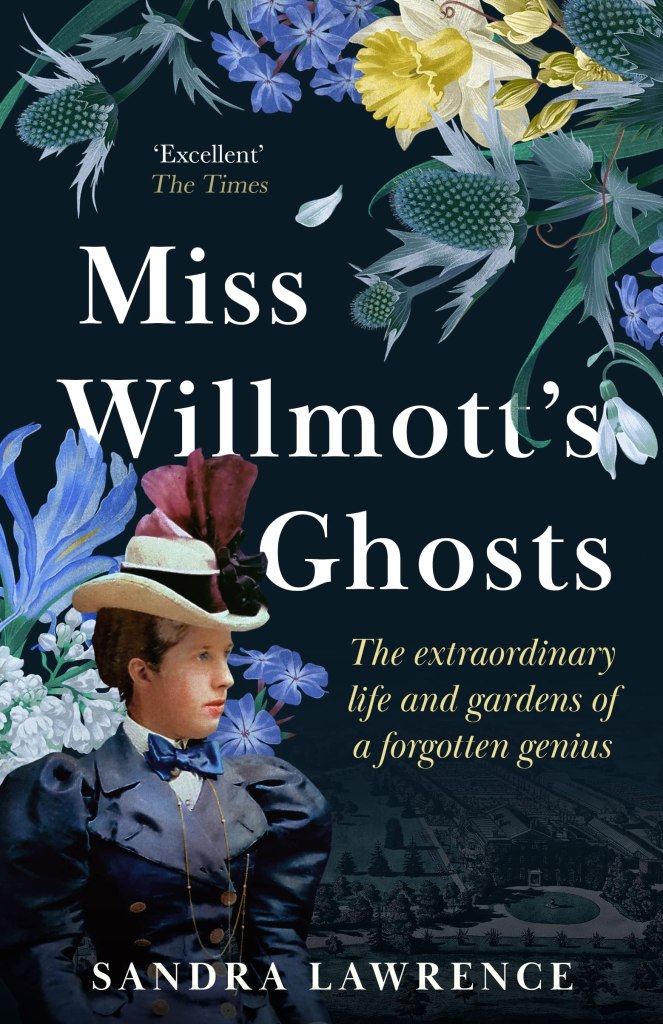
Miss Willmott’s Ghosts: the extraordinary life and gardens of a forgotten genius by Sarah Lawrence. I’ve only recently finished reading this and I hope to write more about it soon.
This a fascinating biography, a contemporary of Gertrude Jekyll. Born in 1858 Ellen Willmott died in 1934. She inherited wealth which enabled her to buy gardens in France and Italy to add to the garden at her home, Warley Place in Essex. It’s a detailed story of a life lived from riches to rags, well not exactly rags, but financial difficulties, caused by her excessive overspending, which forced her to sell her French and Italian properties, and eventually her personal possessions.

