Top Ten Tuesday is a weekly meme created by The Broke and the Bookish and now hosted by Jana at That Artsy Reader Girl. For the rules see her blog. The topic this week is Books with an Adjective in the Title.
This takes me back to my school days, when I learnt a simple definition – an adjective is a ‘describing word’, a word that is used to describe or modify a noun or a pronoun. Of course there is more to it than just that, but I’m keeping it simple. These are books I’ve read and reviewed, excluding books with colours in the titles, as I’ve done at least two TTT posts on those in the past:
Top Ten Tuesday is a weekly meme created by The Broke and the Bookish and now hosted by Jana at That Artsy Reader Girl. For the rules see her blog. The topic this week is Books On My Spring 2022 TBR
The first five are review books on my NetGalley Shelf and the rest are books on my TBR shelves. They are books I want to read before too long, but maybe not all of them over the next three months – there are other books I’d like to read too, which I may read instead.
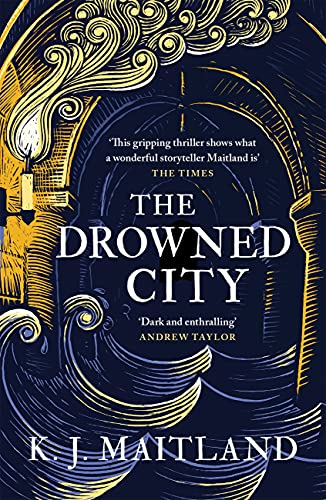
The Drowned City by K J Maitland Daniel Pursglove Book One – historical mystery set in 1606 in England where there is religious persecution, with fears of witchcraft and political unrest.
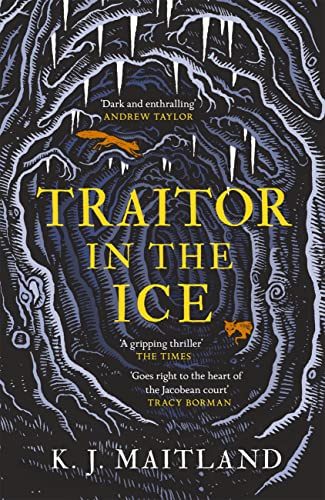
Traitor in the Ice by K J Maitland Daniel Purslove Book Two – Pursglove investigates the death of a man found dead in the grounds of Battle Abbey, Sussex.
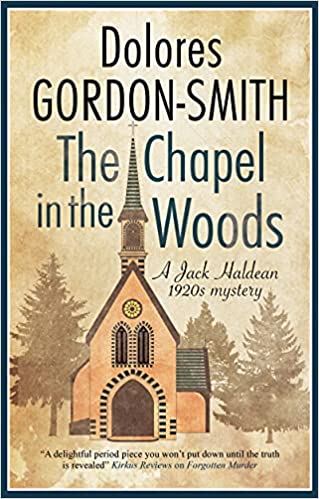
The Chapel in the Woodsby Dolores Gordon-Smith – a Jack Haldean murder mystery set in 1920s England when a body, mauled to death as if by a wild animal, is found in the grounds of a 17th century chapel.
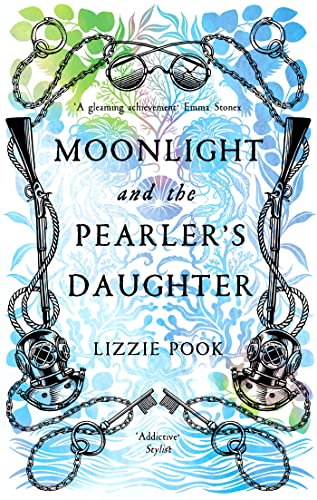
Moonlight and the Pearler’s Daughter by Lizzie Pook – set in Bannin Bay, Australia in the late 19th century when Charles Brightwell, a pearler, goes missing from his ship while out at sea.
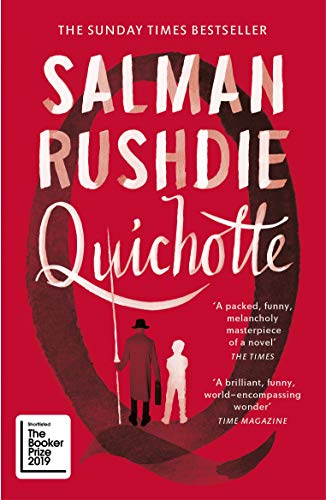
Quichotte by Salman Rushdie – a retelling of Don Quixote for the modern age. Sam DuChamp, mediocre writer of spy thrillers, creates Quichotte, a courtly, addled salesman obsessed with television, who falls in impossible love with the TV star Salman R. Together with his (imaginary) son Sancho, Quichotte sets off on a picaresque quest across America to prove worthy of her hand,
The Girl with the Dragon Tattooby Stieg Larsson – Harriet Vanger, scion of one of Sweden’s wealthiest families, disappeared over forty years ago. Years later, her aged uncle continues to seek the truth. He hires Mikael Blomkvist, a crusading journalist to investigate. He is aided by the pierced and tattooed punk prodigy Lisbeth Salander.
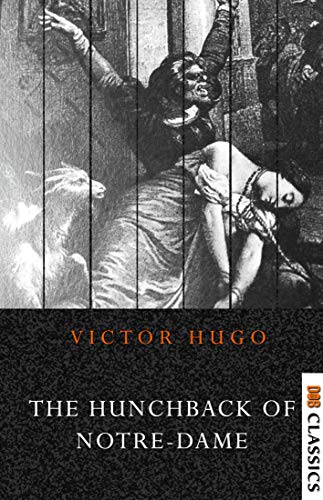
The Hunchback of Notre Dameby Victor Hugo – a reworking of the tale of Beauty and the Beast. Hugo creates a host of unforgettable characters – amongst them, Quasimodo, the hunchback of the title, hopelessly in love with the gypsy girl Esmeralda.
Strangers on a Train by Patricia Highsmith – Guy Haines and Charles Anthony Bruno meet on a train. Bruno manipulates Guy into swapping murders with him. From this moment, almost against his conscious will, Guy is trapped in a nightmare of shared guilt and an insidious merging of personalities.
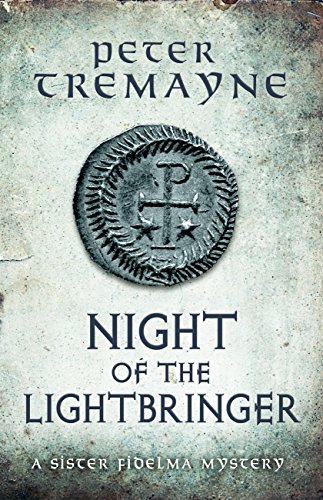
Night of the Lightbringer by Peter Tremayne – This is the 28th Sister Fidelma mystery, a medieval murder mystery, featuring a Celtic nun who is also an advocate of the ancient Irish law system. It’s set in Ireland in AD 671 on the eve of the pagan feast of Samhain.
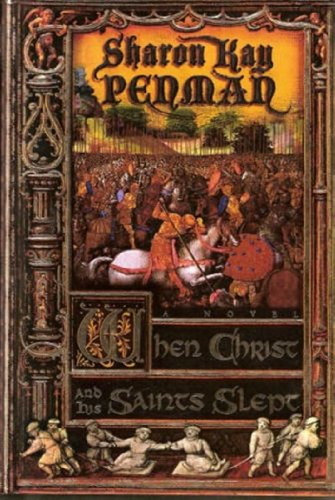
When Christ and His Saints Slept by Sharon Penman – the first book in the Eleanor of Aquitaine trilogy. Historical fiction about Stephen and his cousin, the Empress Maude, and the long fight to win the English throne.
Top Ten Tuesday is a weekly meme created by The Broke and the Bookish and now hosted by Jana at That Artsy Reader Girl. For the rules see her blog.
These are books I read before I started BooksPlease. They are all books I read in 2006 and although I may have mentioned them on my blog I’ve not reviewed them.
Top Ten Tuesday is a weekly meme created by The Broke and the Bookish and now hosted by Jana at That Artsy Reader Girl. For the rules see her blog.
The topic this week, which is Dynamic Duos. I’m a day late with my post as at first I thought I’d skip this week and then I realised that I read a lot of books with very dynamic characters in them – the detectives in crime fiction! So here is my list for this week:
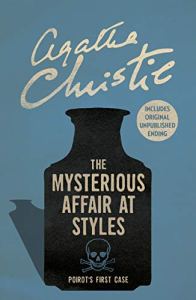
First we have Hercule Poirot and Captain Hastings, two of Agatha Christie’s most famous private investigators. They’ve worked together on many cases ever since Poirot’s first case, The Mysterious Affair at Styles. A Belgian he came to England in 1914 when Germany invaded his country. He had retired from the Belgian police force in 1904. Captain Hastings narrates the stories and is usually baffled as he assists Poirot in looking at the evidence: until Poirot explains it all to him.
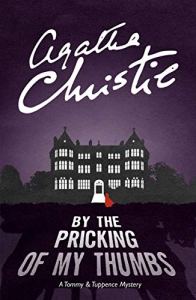
The next duo are a married couple. Tommy and Tuppence, who first appeared in Agatha Christie’s The Secret Adversary, in which they have just met up after World War One, both in their twenties: ‘an essentially modern-looking couple’. By the end of the book they realise they are in love. My favourite book about them is By the Pricking of My Thumbs. In this they are now elderly, but consider themselves only just past the prime of life, looking for something exciting to happen. And then they found themselves caught up in an unexpected adventure involving possible black magic…
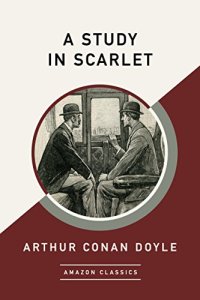
The first Sherlock Holmes and Dr Watson mystery is A Study in Scarlet by Arthur Conan Doyle. Watson was on nine months convalescent leave from the army, having been shot in his shoulder whilst in Afghanistan, followed by an attack of enteric fever. He was looking for lodgings when he met a friend who introduced him to an acquaintance who was working in the chemical laboratory at the hospital – Sherlock Holmes, who he described as ‘a little too scientific for my tastes – it approaches to cold-bloodedness. … He appears to have a passion for definite and exact knowledge.’
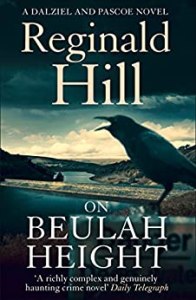
Reginald Hill wrote 25 Dalziel and Pascoe novels. Detective Superintendent Andrew ‘Andy’ Dalziel’s capacity for getting to the bottom of a mystery is shown to be immense. But he is rude, insensitive and not afraid to speak his mind and most definitely politically incorrect in all aspects, whereas Detective Sergeant, later Detective Inspector, Peter Pascoe, university educated, is calm, polite and well mannered. One of my favourites of these books is On Beulah Height. It is a complex book about three little girls who went missing before the little village of Dendale in Yorkshire the valley was flooded to provide a reservoir.
Detective Inspector Vera Stanhope and Detective Sergeant Joe Ashworth in Ann Cleeves’s Vera Stanhope series have a interesting work relationship. Vera is a truly eccentric individual, intelligent, single minded and dedicated to her job, single and with no family responsibilities. She finds it difficult to delegate and is exhilarated by her job. The interplay between the Vera and Sergeant Joe Ashworth is excellent. Joe isn’t as easily managed as Vera would want him to be and yet she likes that in him. Her relationship with the rest of her team leaves much to be desired, but she is human – and she gets results. The Glass Room, the fifth book in the series and I think it’s one of her best.
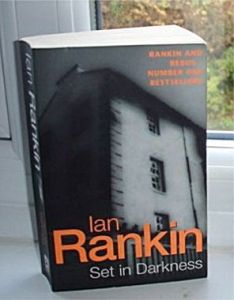
Detective Inspector John Rebus and Detective Sergeant Siobhan Clarke in Ian Rankin’s Rebus series are two very individual characters- he is a loner, a troubled soul, with ghosts in his life – past family and past friends – and he never plays by the book. He is a smoker and a heavy drinker. Siobhan is the opposite of Rebus. She gets infuriated by his reluctance to stick to the rules and is English, from a middle-class left-wing background and she has a university degree. But both are dedicated and obsessed cops, who like working on their own. One I really enjoyed is Set in Darkness is the 11th book in the series, set in Edinburgh when a corpse is discovered in an old fireplace in Queensberry House during the works to build the new Scottish Parliament building and then two more bodies are found.
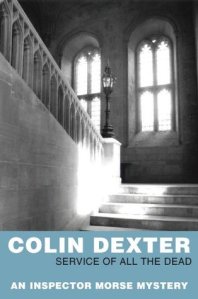
Chief Inspector Morse and Sergeant Lewis in Colin Dexter’s Morse series. Morse is clever, loves the opera, and solving puzzles, particularly crosswords – he can do The Times crossword in under ten minutes. He is not a happy man; he is sensitive, melancholy, a loner and a pedant. Lewis is a Geordie, he left school at fifteen, and is married with two children. He acts as Morse’s sidekick and foil, a counterpart, who does the legwork, drives the car, collars the suspect and buys the drinks. Service of All the Dead is the 4th book in the series and is one of the the most puzzling crime fiction books I’ve read – if not the most puzzling! There are five dead bodies. Lewis uncovers an intricate web of lies and deceit, whilst Morse acts on instinct and proposes several motives for the murders and alternate scenarios of what had happened before untangling the complex mess.
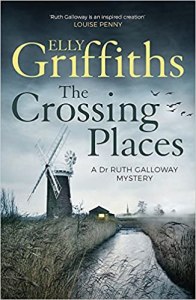
Forensic Archaeologist Dr Ruth Galloway and DCI Harry Nelson – Ruth is not your usual detective, she’s overweight, self-reliant but also feisty and tough. Harry is a gruff Northerner, and an old fashioned policeman who is impatient and quick tempered but also capable of being imaginative and sensitive. Theirs is not just a work relationship but also a personal one – Harry is the father of Ruth’s daughter. The Crossing Places is the first book in the series by Ellie Griffiths, in which the couple first meet. Set in Norfolk it’s an interesting mix of investigations into a cold case – the disappearance of Lucy, a five year old girl ten years earlier and a current case of another missing four year old girl. Are they connected and just how does the discovery of a child’s bones from the Iron Age fit in?
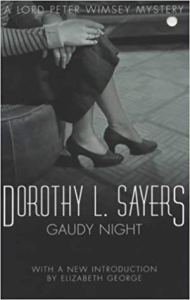
Lord Peter Wimsey and Harriet Vane in Dorothy L Sayers’ Lord Peter Wimsey books. Wimsey is a war-damaged aristocratic sleuth, whereas Harriet Vane is an Oxford scholar, spurned lover, accused murderess and a wealthy author. The two meet in Strong Poison in which Harriet is on trial for the murder of her former lover, Philip Boyes. Wimsey, attending the trial, is convinced she is innocent and sets out to prove it … and falls in love with her. They subsequently have an ongoing ‘relationship’ in which he annually asks her to marry him and she refuses. Harriet appears in four of the twelve Lord Peter Wimsey novels, my favourite being Gaudy Night, in which she attends the Shrewsbury Gaudy (a college reunion involving a celebratory dinner). She is asked to investigate a series of poison pen letters, nasty graffiti and vandalism. Afraid it will end in murder she asks Wimsey for help.
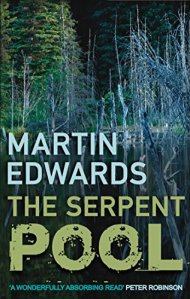
DCI Hannah Scarlet and Daniel Kind, a historian and the son of Hannah’s former boss, Ben Kind, in Martin Edwards’ Lake District Mystery, series. Hannah is in charge of the Cumbria’s Cold Case Team and Daniel is an Oxford historian. When the series began Hannah was living with bookseller Marc Amos, but during the course of the series she becomes increasingly drawn to Daniel and gradually their relationship develops. I love all the books, maybe The Serpent Pool is my favourite. There’s an apparent suicide in the Pool and a man is burnt to death in an Ullswater boathouse to investigate. It’s a terrific book. It has everything, a great sense of location, believable, complex characters, a crime to solve, full of tension and well paced to keep you wanting to know more, and so atmospheric.
Top Ten Tuesday is a weekly meme created by The Broke and the Bookish and now hosted by Jana at That Artsy Reader Girl. For the rules see her blog.
I’ve tweaked the topic this week, which is Books Too Good to Review Properly (I have no words!) and am highlighting 10 books I read over the last two years that I loved but didn’t write about because I had writer’s block. It certainly wasn’t because I didn’t enjoy them, nor because I didn’t have enough time. I just couldn’t find the words to describe how I felt about the books. It began during the first lockdown – need I say more?
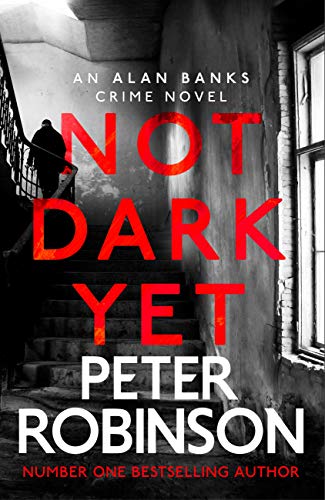
Not Dark Yet by Peter Robinson – Book 27 in the DCI Banks series. Crime fiction set in England and Moldova.
The Lieutenant by Kate Grenville – historical fiction set in Australia in the late 18th century.
Enigma by Robert Harris – historical fiction about the code breakers at Bletchley Park during World War 2, probably the best book on this subject that I’ve read.
The Dark Remains by William McIlvanney and Ian Rankin – McIlvanney’s half-finished novel about DC Jack Laidlaw’s first case, finished by Ian Rankin.
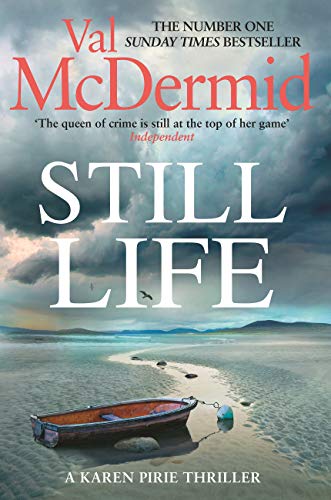
Still Life by Val McDermid – a DCI Karen Pirie murder mystery with two cases to investigate.
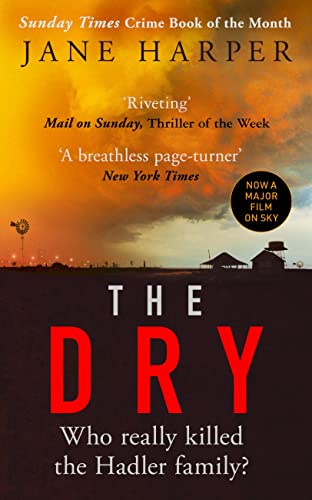
The Dry by Jane Harper – crime fiction set in set in the Australian outback…amid the worst drought in a century!
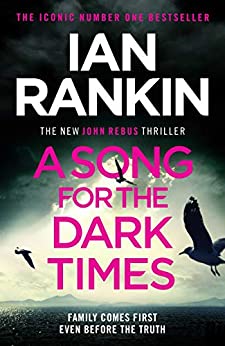
A Song for the Dark Times by Ian Rankin – Rebus in retirement, investigates the disappearance of his daughter’s husband in north east Scotland, whilst Siobhan Clarke and Malcolm Fox investigate a murder in Edinburgh.
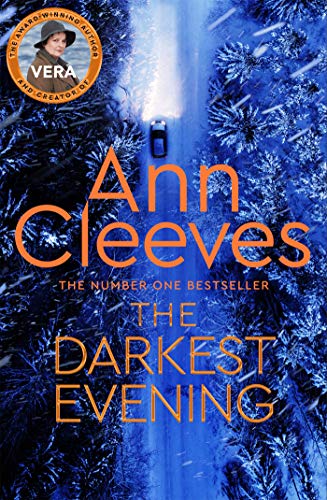
The Darkest Evening by Ann Cleeves – more crime fiction with Vera Stanhope in Northumberland, giving an insight into her family background.
Fifty-Fifty by Steve Cavanagh – the 5th Eddie Flynn book, a court room drama with estranged sisters both charged with murdering their father.
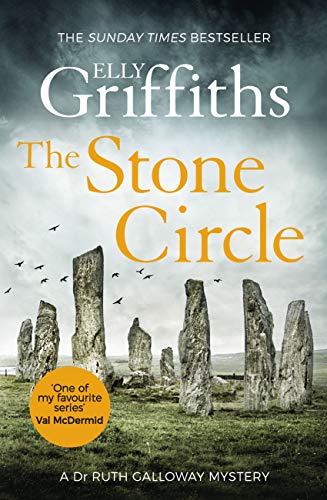
The Stone Circle by Elly Griffiths – the 11th Ruth Galloway book, a mix of murder, baby abduction, archaeology and Norse mythology.
Top Ten Tuesday is a weekly meme created by The Broke and the Bookish and now hosted by Jana at That Artsy Reader Girl. For the rules see her blog.
The topic this week isBooks with Character Names In the Titles.
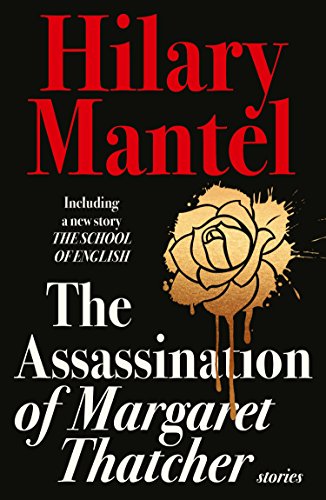
The Assassination of Margaret Thatcher & Other Storiesby Hilary Mantel – I enjoyed this collection of stories, which are brooding, somewhat melancholic, dark, disturbing and full of sharp and penetrating observations – brilliant!
Draculaby Bram Stoker. Stoker used a variety of sources in telling his tale – folklore, myths and legends and historical facts, all blended together with his own inventions. I enjoyed this more than I thought I would.
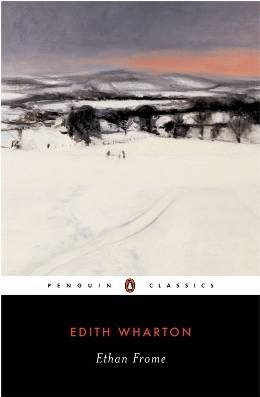
Ethan Frome by Edith Wharton – a beautifully told tale – a tragedy, signalled right from the beginning of the book, when the unnamed narrator first saw Ethan Frome and was told he had been disfigured and crippled in a ‘smash up’, twenty four years earlier.
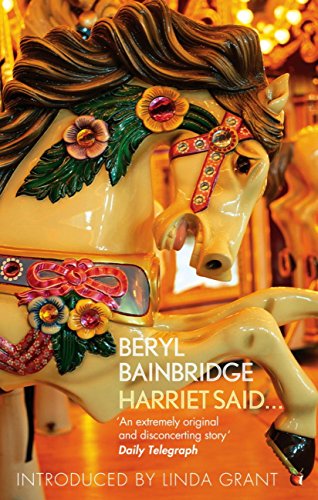
Harriet Saidby Beryl Bainbridge – a dark story that turns child abuse on its head. It is an unsettling and chilling book, beginning as Harriet and her friend, an unnamed 13 year-old girl, run home screaming to tell their parents what had happened.
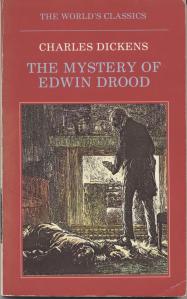
The Mystery of Edwin Droodby Charles Dickens – Drood has disappeared and cannot be found. The mystery remains unsolved. What did happen to Edwin Drood? Was he killed and if so was it by John Jasper, his uncle, obsessed with his passion for Rosa? We will never know.
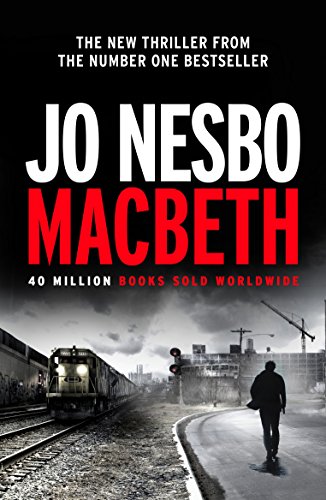
Macbethby Jo Nesbo – This is a tragedy, like Shakespeare’s, a tale of political ambition and the destructive power it wields, a tale of love and guilt, and of enormous greed of all kinds. It had me completely enthralled and I loved it.
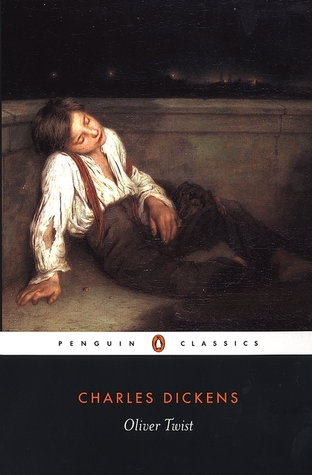
Oliver Twist by Charles Dickens. This is full of terrific descriptions of the state of society at the time – the grim conditions that the poor suffered, the shocking revelations of what went on in the workhouse, and the depiction of the criminal underworld – the contrast of good and evil. I found it shocking, fascinating and moving.
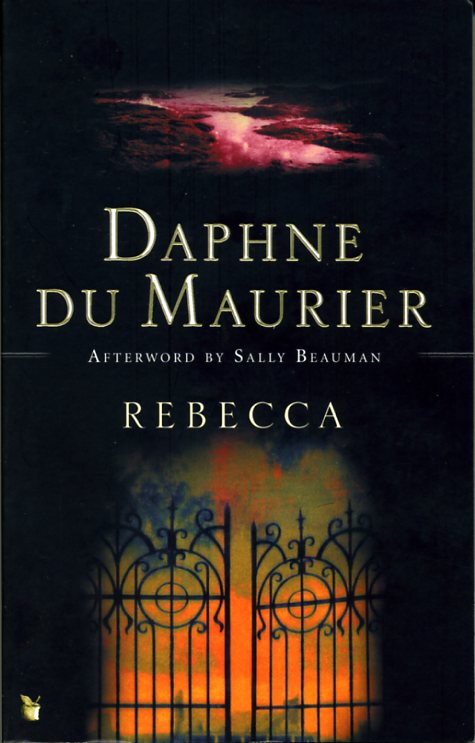
Rebeccaby Daphne du Maurier. I’ve read this many times and each time I fall under its spell. Identity is a recurrent theme, just who was Rebecca, what was she really like and what lead to her death? It’s a novel where secrets are only just suppressed, like a ticking bomb waiting to explode revealing the devastating truth.
Silas Marnerby George Eliot. The story revolves around Silas Marner, a weaver living in Raveloe, a village on the brink of industrialisation. He was wrongly accused of theft and left his home town to live a lonely and embittered life in Raveloe where he became a miser, hoarding his gold and counting it each night. It has the touch of a fairytale about it, or of a folk myth, and it tells of the consequences of our actions.
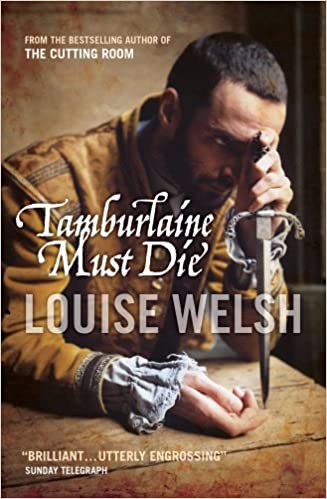
Tamburlaine Must Dieby Louise Welsh – a tense, dramatic story of the last days of Christopher Marlowe, playwright, poet and spy. Accused of heresy and atheism, his death is a mystery, although conjecture and rumours abound.
















 BooksPlease