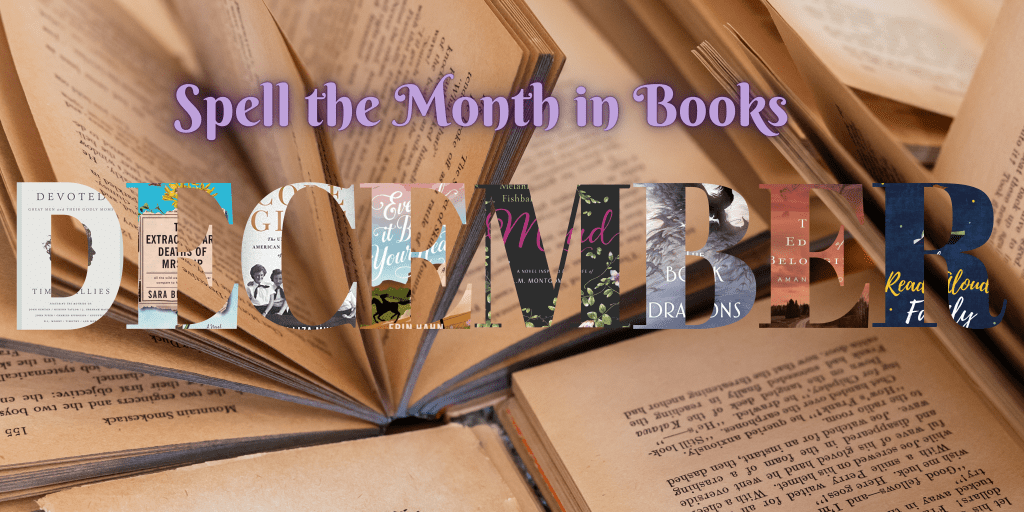
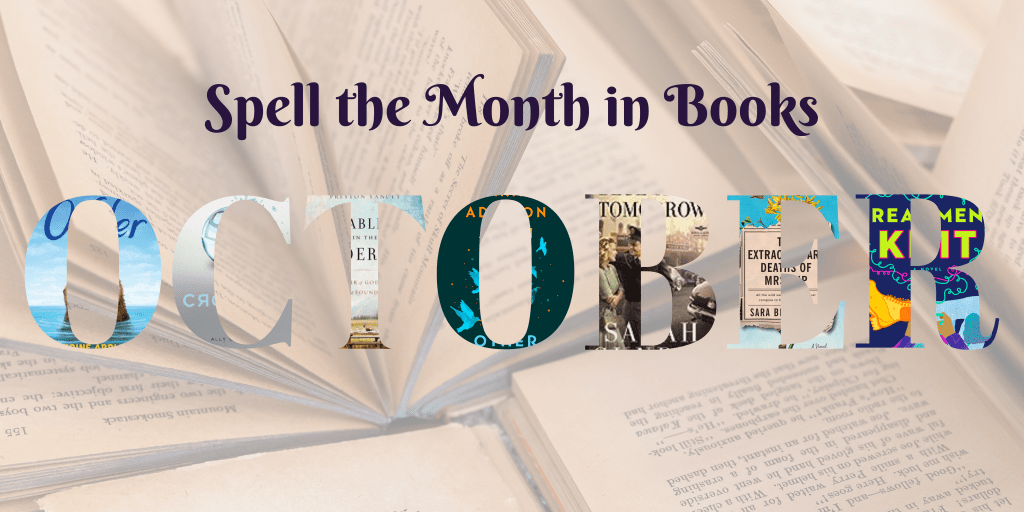
Spell the Month in Books is a linkup hosted by Jana on Reviews From the Stacks on the first Saturday of each month. The goal is to spell the current month with the first letter of book titles, excluding articles such as ‘the’ and ‘a’ as needed. That’s all there is to it! Some months there are optional theme challenges, such as “books with an orange cover” or books of a particular genre, but for the most part, any book you want to use is fair game!
The theme this month is a Freebie and I’m featuring books I’ve recently acquired and books I read before I started my blog, so I haven’t reviewed any of them and have linked the titles to the descriptions on Amazon.
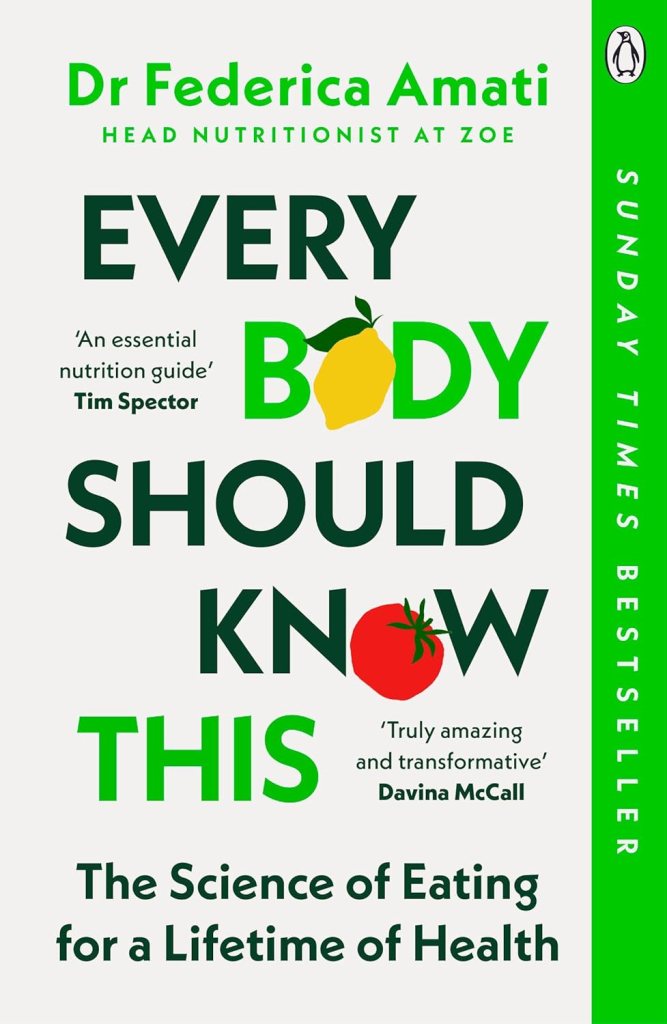
‘Dr Federica is a human encyclopaedia when it comes to the science of food and health. This book contains the most critical answers to nutrition that we’ve all been searching for. A must read’– Steven Bartlett
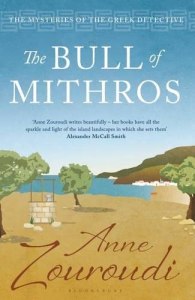
‘A cracking plot, colourful local characters and descriptions of the hot, dry countryside so strong that you can almost see the heat haze and hear the cicadas – the perfect read to curl up with’― Guardian
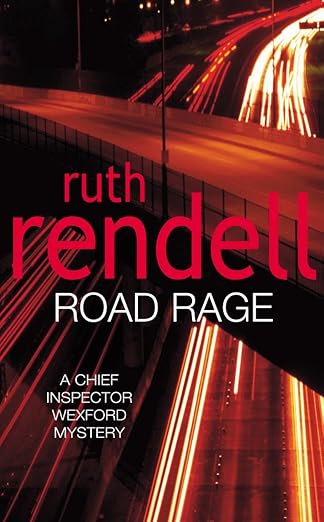
R is for Road Rage by Ruth Rendell, crime fiction.
‘With immaculate control, Ruth Rendell builds a menacing crescendo of tension and horror that keeps you guessing right up to the brilliantly paced finale’― Good Housekeeping
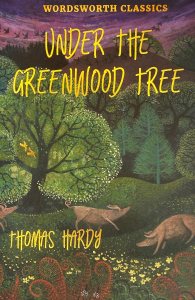
Set in the small village of Mellstock in Thomas Hardy’s fictional Wessex, this is both a love story and a nostalgic study into the disappearance of old traditions and a move towards a more modern way of life. (Amazon)
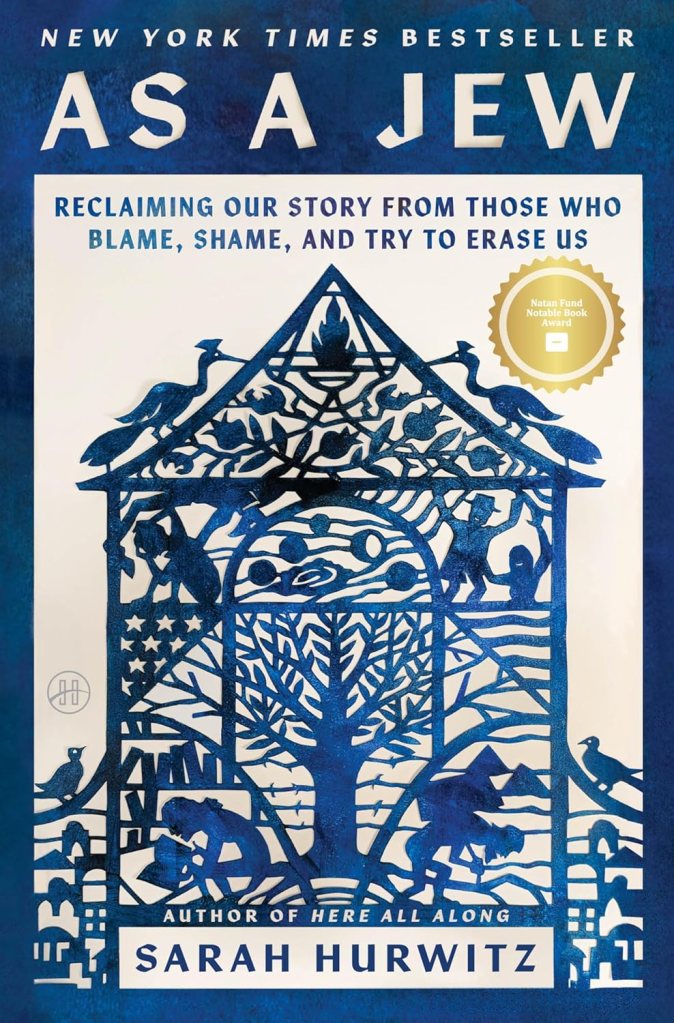
‘This book explains antisemitism and the danger it poses—not just to Jews, but to all of us. It also reveals the breathtaking history and resilience of the Jewish people and the beauty of Jewish tradition’ – Van Jones, CNN Host and New York Times bestselling author
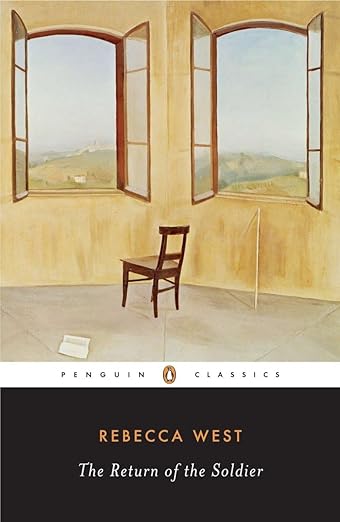
Returning to his stately English home from the chaos of World War I, a shell-shocked officer finds that he has left much of his memory in the front’s muddy trenches. (Amazon)
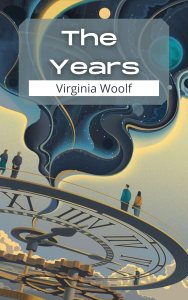
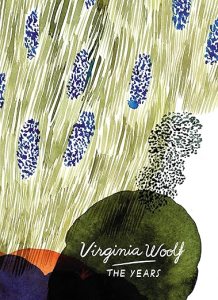
Published in 1937, this was Virginia Woolf’s most popular novel during her lifetime. It’s about one large upper-class London family, spanning three generations of the Pargiter family from the 1880s to the 1930s. (Amazon)
The next link up will be on March 7, 2026 take your pick from Pi Day, March Madness, or Green Covers.
Spell the Month in Books is a linkup hosted by Jana on Reviews From the Stacks on the first Saturday of each month. The goal is to spell the current month with the first letter of book titles, excluding articles such as ‘the’ and ‘a’ as needed. That’s all there is to it! Some months there are optional theme challenges, such as “books with an orange cover” or books of a particular genre, but for the most part, any book you want to use is fair game!
The theme this month is New, interpreted as you wish: new releases, recent acquisitions, “new” in the title, etc, new-to-you books, new additions to your TBR list, recently published books, or something else that you connect with the word ‘New’.
These books are all fairly recent acquisitions, new-to-me (just one of these is by a new-to-me author) and are books I haven’t read. The links go to the descriptions on Amazon.
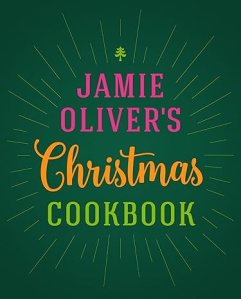
With classic recipes for every part of Christmas dinner, veggie alternatives, clever ways to use up all of those leftovers, top tips for cooking meat perfectly, and even recipes for edible gifts and Christmas cocktails – he really has thought of everything!
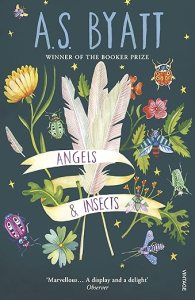
Like A.S. Byatt’s Booker Prize-winning novel, Possession, these two mesmerising novellas are set in the nineteenth century. In Morpho Eugenia, an explorer realises that the behaviour of the people around him is alarmingly similar to that of the insects he studies. In The Conjugal Angel, curious individuals – some fictional, others drawn from history – gather to connect with the spirit world. Throughout both, Byatt examines the eccentricities of the Victorian era, weaving fact and fiction, reality and romance, science and faith into a sumptuous, magical tapestry.
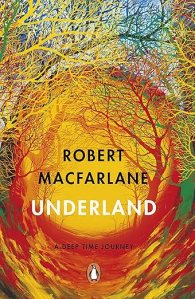
In Underland, Robert Macfarlane takes us on a journey into the worlds beneath our feet. From the ice-blue depths of Greenland’s glaciers, to the underground networks by which trees communicate, from Bronze Age burial chambers to the rock art of remote Arctic sea-caves, this is a deep-time voyage into the planet’s past and future. Global in its geography, gripping in its voice and haunting in its implications, Underland is a work of huge range and power, and a remarkable new chapter in Macfarlane’s long-term exploration of landscape and the human heart.
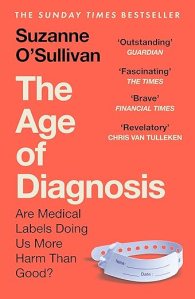
Mental health categories are shifting and expanding all the time, radically altering what we consider to be ‘normal’.
Genetic tests can now detect pathologies decades before people experience symptoms, and sometimes before they’re even born.
And increased health screening draws more and more people into believing they are unwell.
An accurate diagnosis can bring greater understanding and of course improved treatment. But many diagnoses aren’t as definitive as we think. And in some cases they risk turning healthy people into patients.
Drawing on the stories of real people, as well as decades of clinical practice and the latest medical research, Dr Suzanne O’Sullivan overturns long held assumptions and reframes how we think about illness and health.
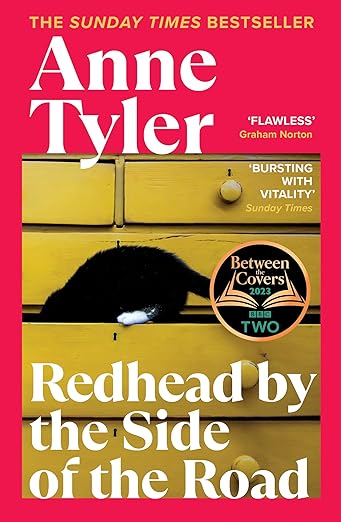
Micah Mortimer measures out his days running errands for work, maintaining an impeccable cleaning regime and going for runs (7:15, every morning). He is in a long-term relationship with his woman friend Cassia, but they live apart. His carefully calibrated life is regular, steady, balanced.
But then the order of things starts to tilt. Cassia is threatened with eviction, and when a teenager shows up at Micah’s door claiming to be his son, he is confronted with another surprise he seems poorly equipped to handle.
Can Micah, a man to whom those around him always seem just out of reach, find a way back to his perfectly imperfect love story?
The Years follows the lives of the Pargiters, a large middle-class London family, from an uncertain spring in 1880 to a party on a summer evening in the 1930s. We see them each endure and remember heart-break, loss, radical change and stifling conformity, marriage and regret. Written in 1937, this was the most popular of Virginia Woolf’s novels during her lifetime, and is a powerful indictment of ‘Victorianism’ and its values.
The next link up will be on February 1, 2026 when the theme will be a Freebie.
Spell the Month in Books is a linkup hosted by Jana on Reviews From the Stacks on the first Saturday of each month. The goal is to spell the current month with the first letter of book titles, excluding articles such as ‘the’ and ‘a’ as needed. That’s all there is to it! Some months there are optional theme challenges, such as “books with an orange cover” or books of a particular genre, but for the most part, any book you want to use is fair game!
This month’s theme is Giftable – Books you would give or would like to receive as a gift. I’ve chosen a medley of crime fiction novels for people new to crime fiction. These are by some of my favourite crime fiction authors and all are books I’ve really enjoyed.
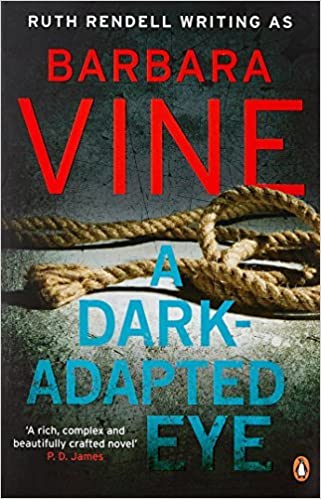
D is for A Dark-Adapted Eye by Barbara Vine, a pseudonym for Ruth Rendell. This is psychological crime fiction, you know right from the beginning who the murderer is, but not why or how the murder was committed. It’s not even clear immediately who the victim is.
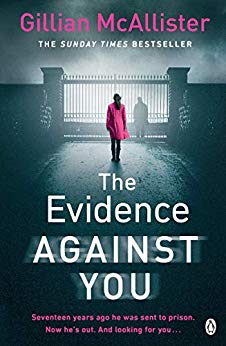
E is for The Evidence is Against You by Gillian McAllister. A brilliant psychological thriller, this is a character-driven story of conflict, of broken lives, of the destruction of families, and of devastating trauma as secrets from the past come to the surface; a story full of twists and turns.
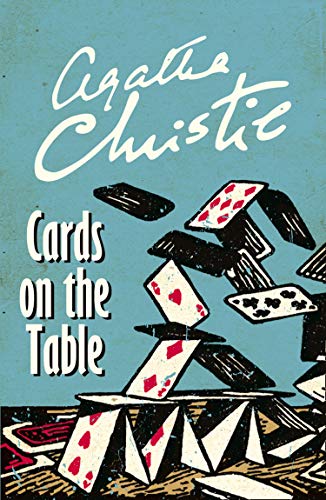
C is for Cards on the Table by Agatha Christie, one of the best of her books. In her Foreword she states that it is not the sort of detective story where the least likely person is the one to have committed the crime. This story has just four suspects and any one of them ‘given the right circumstances‘ might have committed the crime. She goes on to explain that there are four distinct types, the motives are peculiar to each person and each would employ a different method. It kept me guessing until the end
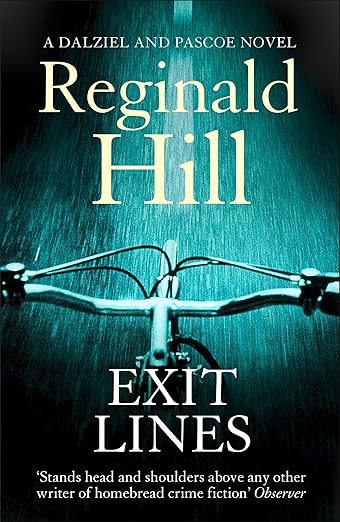
E is for Exit Lines by Reginald Hill, a Dalziel and Pascoe crime novel. There are three deaths in one night. All three victims were elderly and died violently and a drunken Dalziel is a suspect in one, as it seems he was driving the car that hit an elderly cyclist. The third victim was found dying, having fallen whilst crossing the recreation ground. The plot is intricate, with the separate cases all linked in one way or another.
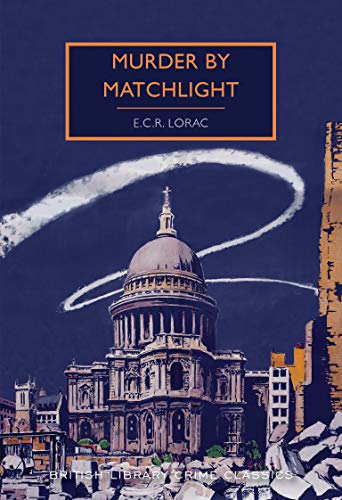
M is for Murder by Matchlight by E C R Lorac, a Golden Age mystery featuring Chief Inspector Robert Macdonald, a shrewd detective, not easily ruffled or fooled. It’s set in London in 1945. A murder takes place in Regents Park in the darkness of the blackout as the bombs are still falling, witnessed by Bruce Mallaig who heard it happen and briefly saw both the victim and his assailant by the light of a struck match. It is not only darkness that shrouds the mystery – who is the victim?
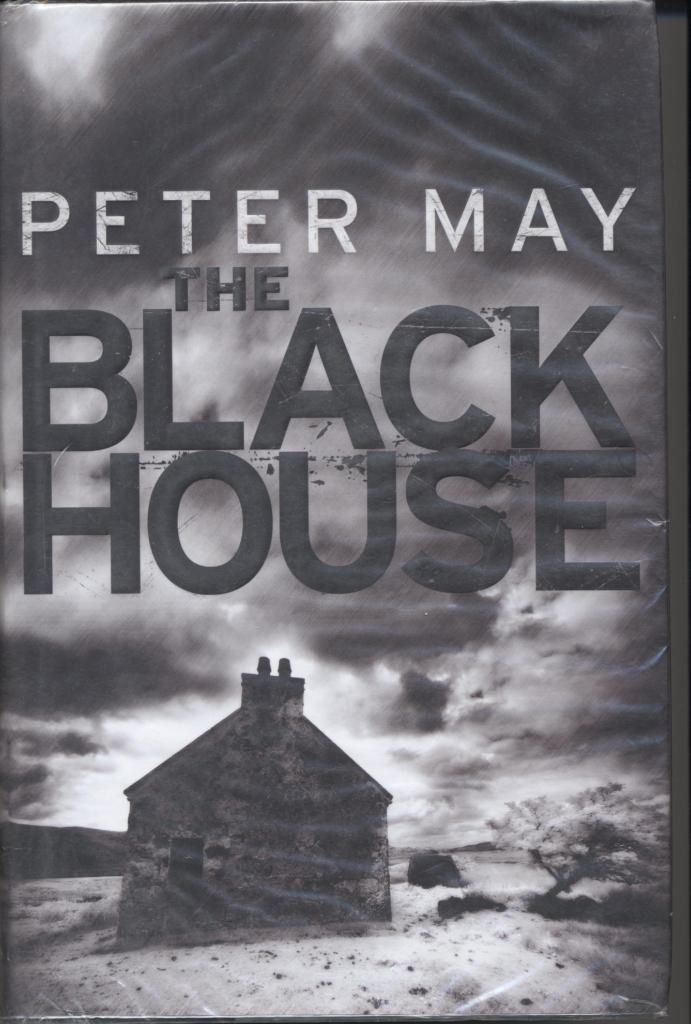
B is for The Blackhouse by Peter May, the first in the Lewis trilogy, set on the Isle of Lewis in the Outer Hebrides. There’s a murder and a mystery. Detective Fin Macleod is seconded from the Edinburgh police force to help with the investigation into the murder. As the story unfolds, the narrative splits in two – one, set in the present day, following the murder investigation and the other, as Fin recalls the events of his childhood on the island.
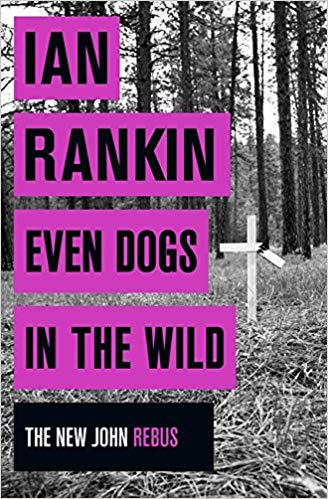
E is for Even Dogs in the Wild by Ian Rankin, book 20 in the Inspector Rebus series. He is on his second retirement, when DI Siobhan Clarke asks him to act in a ‘consultative capacity’. Clarke’s been investigating the death of a senior lawyer whose body was found along with a threatening note. Then Big Ger Cafferty, Rebus’s long-time nemesis, receives an identical note and a bullet through his window. This is a complex book, with more deaths, and many twists and turns.
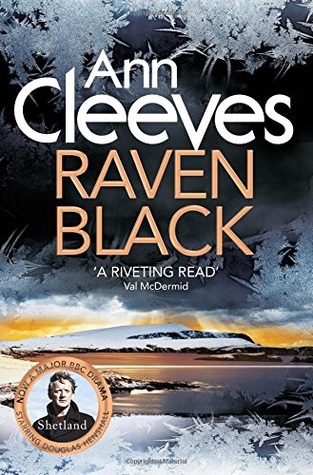
R is for Raven Black by Ann Cleeves, first book in the Shetland series. A teenage girl’s body is found dead in the snow strangled with her own scarf, ravens circling above. Inspector Jimmy Perez, originally from Fair Isle, is part of the investigation team. It has a strong sense of location and a terrific atmosphere – the landscape, the sea, the weather, the circling ravens and the spectacle of Up Helly Aa (the Fire Festival), all anchor the story and bring the book to life.
The next link up will be on January 3, 2026 when the theme will be: New – interpret as you will (new releases, new to you, etc)
Spell the Month in Books is a linkup hosted by Jana on Reviews From the Stacks on the first Saturday of each month. The goal is to spell the current month with the first letter of book titles, excluding articles such as ‘the’ and ‘a’ as needed. That’s all there is to it! Some months there are optional theme challenges, such as “books with an orange cover” or books of a particular genre, but for the most part, any book you want to use is fair game!
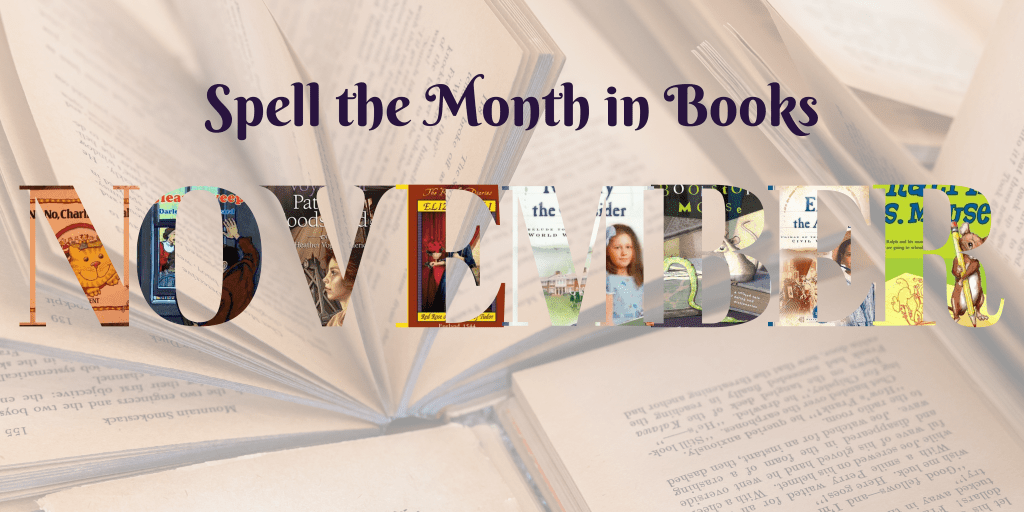
This month’s theme is Nostalgia! I’ve chosen books that I enjoyed and that bring back happy memories of the times I first read them, most of them pre-blog.
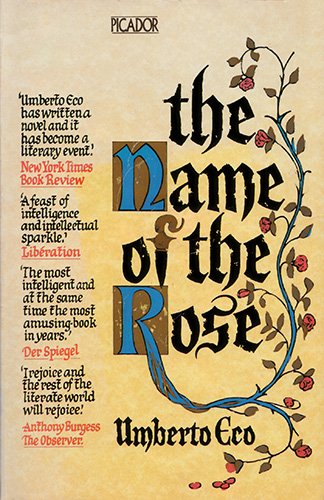
N is for The Name of the Rose by Umberto Eco – It reminds me of the time when I worked in the Buckinghamshire County Archives Department many years ago and it was recommended to me by one of the archivists. Historical fiction set in 14th century Italy about Franciscans in a wealthy Italian abbey are suspected of heresy, and Brother William of Baskerville arrives to investigate.
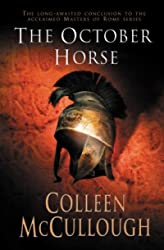
O is for The October Horse by Colleen McCullough – I loved her series of books, The Masters of Rome. This one is the final book in the series set in the last days of the Roman Republic in 48 BC when Julius Caesar was in the prime of his life and at the height of his powers.
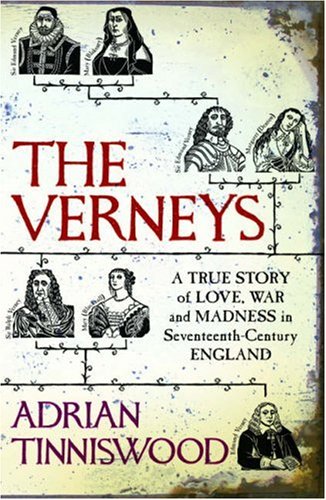
V is for The Verneys by Adrian Tinniswood – another book from the time I was working in the County Archives Department. The Verneys are a local family, who lived at Claydon House not far from where I used to live. The sub-title is A true story of love, war and madness in seventeenth century England, which sums up the book.
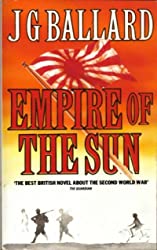
E is for Empire of the Sun by J G Ballard – because it was one of the books I read and loved for my Open University degree, a semi-autobiographical novel, set during the Second World War, the novel draws on Ballard’s childhood experience in the Japanese-controlled Lunghua civilian internment camp in China.
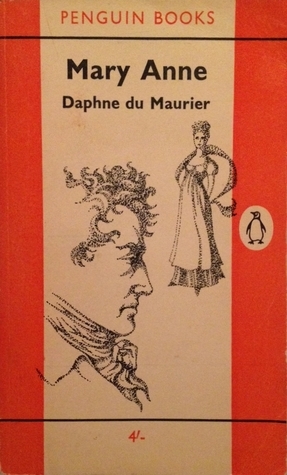
M is for Mary Anne by Daphne du Maurier, historical fiction set during the Napoleonic Wars and based on du Maurier’s own great-great-grandmother. I still have the paperback copy I read when I was a teenager and avidly read Du Maurier’s books.
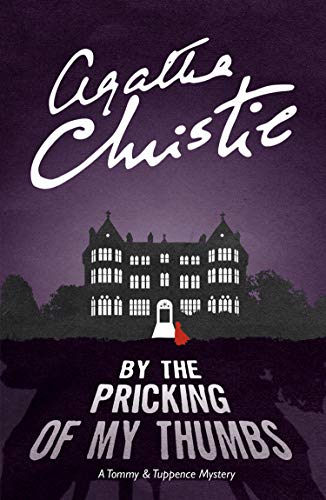
B is for By the Pricking of My Thumbs by Agatha Christie, the first Tommy and Tuppence story I read. Outwardly they are an ordinary couple, but appearances are deceptive, they are private detectives. In this book they investigate events in a gothic nursing home where Tommy’s elderly Aunt Ada had died.
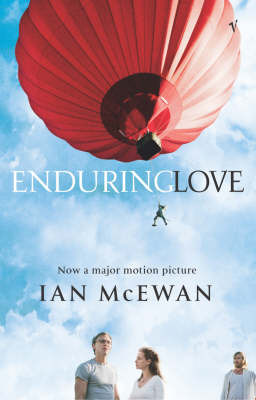
E is for Enduring Love by Ian McEwan I read this many years ago. One windy spring day in the Chilterns Joe Rose’s calm, organised life and his love for his wife is shattered by a ballooning accident.
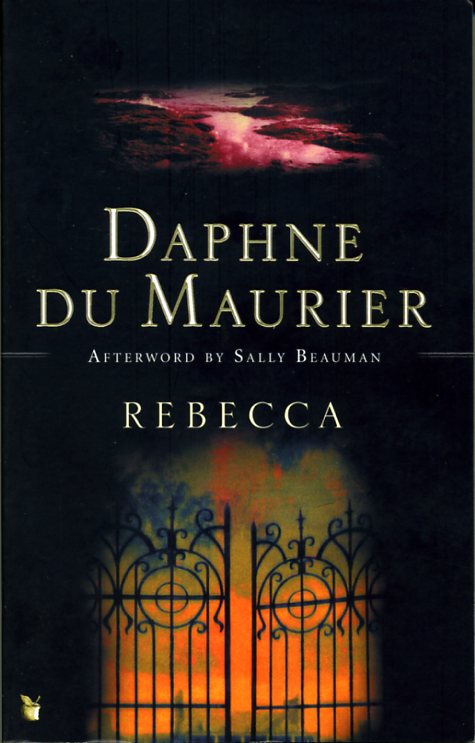
R is for Rebecca by Daphne du Maurier There is something special about reading a book when you know the characters and what happens to them and yet at the same time you want it to turn out differently – to prevent the disaster happening, and to help them understand where they’re going wrong. I first read it as a young teenager and was instantly captivated by the story. It asks just who was Rebecca, what was she really like and what lead to her death.
The next link up will be on December 6, 2026 when the theme will be: Giftable – Books you would give or would like to receive as a gift.
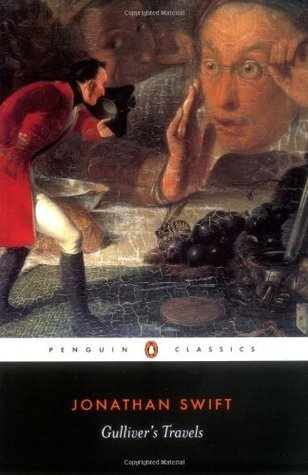
A wickedly clever satire uses comic inversions to offer telling insights into the nature of man and society. Nominated as one of America’s best-loved novels by PBS’s The Great American Read.
Gulliver’s Travels describes the four voyages of Lemuel Gulliver, a ship’s surgeon. In Lilliput he discovers a world in miniature; towering over the people and their city, he is able to view their society from the viewpoint of a god. However, in Brobdingnag, a land of giants, tiny Gulliver himself comes under observation, exhibited as a curiosity at markets and fairs. In Laputa, a flying island, he encounters a society of speculators and projectors who have lost all grip on everyday reality; while they plan and calculate, their country lies in ruins. Gulliver’s final voyage takes him to the land of the Houyhnhnms, gentle horses whom he quickly comes to admire – in contrast to the Yahoos, filthy bestial creatures who bear a disturbing resemblance to humans.
I think Gulliver’s Travels is such a strange book, definitely not a children’s book as I had thought. There are very many editions of this book. The edition I read is the e-book edition based on the text of Swift’s 1726 original, with the 1899 illustrations of Arthur Rackham. It’s a satire on human nature and the imaginary travellers’ tale literary subgenre about Lemuel Gulliver, a ship’s surgeon who travels to four strange and distant lands.
This is one of those books that I’ve known of since childhood and have known bits of the story, but have never read. I did see a TV cartoon version several years ago and I’ve been meaning to read it for years. It’s a book, which operates on several levels, as the Introduction in one of my copies (an Odhams Press Limited publication) states:
An embittered, middle-aged man sat down to write a book that would scourge the vices and follies of mankind. That book, with its sting mellowed during the passage of two hundred years, has become – of all things – a children’s classic. ‘Gulliver’s Travels’ was the splenetic outburst of a passionate mind, whose genius gave immortality to so transient a thing as satire; but that immortality had a permanent basis – a child-like delight in marvels, a freshness of invention, a limpid style and a selective perception that created images of giants, dwarfs and fabled races with a vivid pulsating life of their own.
I don’t think I’d have liked it very much if I’d read it as a child as there are many passages that would have bored me stiff and which even now I found tedious and heavy going in parts. It satirises the political situation during Swift’s lifetime, and is full of political and social allusions, a lot of which, interesting as it is, passed over my head.
But it is a fantastical fantasy set in such different places, the ones I found most interesting are Lilliput inhabited by tiny people Brobdignag, the land of giants, and the country of the Houyhnhms, where a race of talking horses, rule the Yahoos, strange, filthy humanoid animals that Gulliver viewed with contempt and disgust. Gulliver became a part of one of the horse’s households and grew to admire and wanted to emulate the Houyhnhms’ way of life, which left him horrified with humanity. Less interesting is his visit to Laputa, a flying island and it’s rebellious cities.
It was not really what I expected, and whilst I think a lot of it is absurd and amusing, it’s certainly not a book I can say that I enjoyed, I think it was worth reading and I’m glad I finally got round to reading it.
Spell the Month in Books is a linkup hosted by Jana on Reviews From the Stacks on the first Saturday of each month. The goal is to spell the current month with the first letter of book titles, excluding articles such as ‘the’ and ‘a’ as needed. That’s all there is to it! Some months there are optional theme challenges, such as “books with an orange cover” or books of a particular genre, but for the most part, any book you want to use is fair game!
This month’s theme is Trick or Treat: books that you feel strongly about, whether positively or negatively.
I don’t like tricks so my books are all books I’ve enjoyed – real treats!
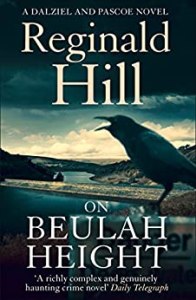
Reginald Hill’s 17th Dalziel and Pascoe novel, set in a Yorkshire village, Dendale. Three little girls had gone missing from the village one summer. Their bodies were never found, and the best suspect, a strange lad named Benny Lightfoot, was held for a time, then released. Fifteen years later another little girl, Lorraine, aged seven went out for a walk one morning with her dog before her parents got up and didn’t return home, reviving memories of the missing children from fifteen years earlier. It was a case that has haunted Dalziel.
This book is tightly plotted with many twists that made me change my mind so many times I gave up trying to work out who the murderer was and just read for the pleasure of reading. Hill’s descriptive writing is rich and full of imagery. The main characters are fully rounded people and the supporting cast are believable personalities, often described with wry humour.
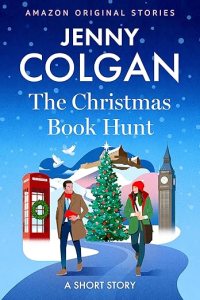
Mirren is looking for a copy of A Child’s Garden of Verses by Robert Louis Stevenson, a particular one that had belonged to her Great Aunt Violet. It was a special edition, with hand-drawn plates by Aubrey Beardsley and now Great Aunt Violet, who is in hospital seriously ill would love to see the book for Christmas. I loved that book as a child, so this is what made the story irresistible for me. She went to the book town Hay-on-Wye, bookshops in Edinburgh and a secondhand bookshop in Northumberland that sounds very like Barter Books in Alnwick, my favourite bookshop. She bumps into mysterious, charming Theo, who, unbeknownst to her, is searching for the same book for reasons of his own…
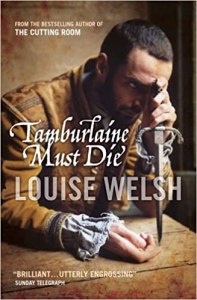
It was a real treat to read Tamburlaine Must Die, a short book of only 140 pages, that I read in a day. Weaving together fact and fiction and set in 1593 this is a tense, dramatic story of the last days of Christopher Marlowe, playwright, poet and spy. Accused of heresy and atheism, his death is a mystery, although conjecture and rumours abound. It has an immediacy, that drew me into the late Elizabethan world.
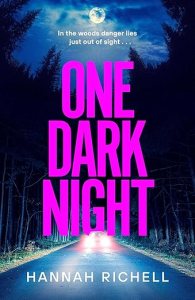
I loved the spooky, tense atmosphere and as soon as I started reading it knew I was going to enjoy this book. The settings are vividly described, the characters come across as real people, and the plot is amazing, multi- layered, with plenty of suspects for the murder and numerous twists and turns to throw me off the scent. For quite a while you don’t even know the name of the victim, who was found in the woods, called ‘Sally in the Wood’. It’s a police procedural centred on Ellie, a pupil at the private school, where her mother Rachel works as the school counsellor and her father, Ben, a detective sergeant who is on the investigation team
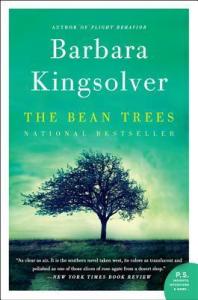
I loved this book. Barbara Kingsolver writes in such a way that I can easily visualise the scenes, beginning with the opening paragraph in which she describes a tractor tire blowing up, flinging a man up in the air and throwing him over the top of a Standard Oil sign. Taylor (originally called Marietta/Missy) grew up in rural Kentucky. She left home when she had saved enough to buy a car, an old VW. She changed her name to Taylor after the first place where she ran out of petrol, which just happened to be Taylorville. She drove on until the car broke down in the middle of nowhere, on land owned by the Cherokee tribe. And it was there at a garage that an Indian woman abandoned a baby girl in Taylor’s car – she called the baby, Turtle.
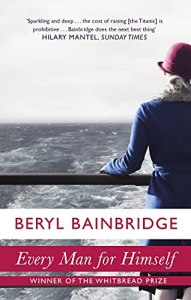
This the story of Morgan’s voyage on the Titanic, divided into four days as he tells it. It’s mainly about the young rich people as they drink and party their way across the Atlantic. Morgan is part of the crowd but he is not rich, and although he has connections, he’s a young American who has to earn his living. Day four is the day the Titanic sank. I could easily imagine what it was like to be a passenger, people rushing about the boat, trying to get on the lifeboats and being separated from friends and family. And the final scenes bring home the reality that it really was a case of every man for himself with the callous attitude towards the steerage passengers, the lack of lifeboats and the disregard of the ice warnings. And so the boat described as unsinkable, sank.
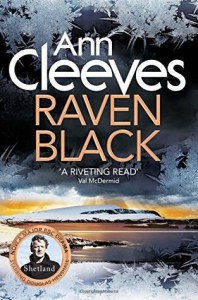
R is for Raven Black by Ann Cleeves, the first in her Shetland series, crime novels set in the Shetland Islands, to the north of mainland Scotland. This is a murder mystery investigated by Inspector Jimmy Perez.
It begins on New Year’s Eve as Magnus Tait is seeing the new year in on his own, until two teenage girls knock on his door to wish him a Happy New Year. A few days later one of the girls is found dead in the snow not far from Magnus’s house, strangled with her own scarf.
The book has a strong sense of location and a terrific atmosphere – the landscape, the sea, the weather, the circling ravens and the spectacle of Up Helly Aa (the Fire Festival), all anchor the story and bring the book to life.
Upcoming Themes
November 1: Nostalgia
December 6: Giftable – Books you would give or would like to receive as a gift
January 3, 2026: New Books – Ones you have received recently or are looking forward to reading or seeing published this year

 BooksPlease