Spell the Month in Books July 2025

Spell the Month in Books is a linkup hosted by Jana on Reviews From the Stacks on the first Saturday of each month. The goal is to spell the current month with the first letter of book titles, excluding articles such as ‘the’ and ‘a’ as needed. That’s all there is to it! Some months there are optional theme challenges, such as “books with an orange cover” or books of a particular genre, but for the most part, any book you want to use is fair game!

The optional theme this month is “set in a fantasy world or fictional place”. I thought this would be difficult but I managed to find books I’ve read for all the letters in JULY for this theme except for Y!
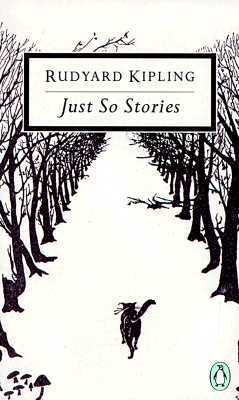
J is for Just So Stories for Little Children written and illustrated by Rudyard Kipling

This book contains Rudyard Kipling’s 1902 collection of short stories, Just So Stories. They are stories he told his daughter, Effie (Josephine) as bedtime stories – fantastic accounts of how various features of animals came to be. Kipling explained: ‘in the evening there were stories meant to put Effie to sleep, and you were not allowed to alter those by one single little word. They had to be told just so; or Effie would wake up and put back the missing sentence.’

My favourite is The Cat That Walked by Himself about when the tame animals were all wild. The wildest of all was the Cat and this is Kipling’s explanation of how the cat came to use humans for its own comfort but remained independent, walking in the Wet Wild Woods, ‘waving his tail and walking by his wild lone.’ Kipling’s illustrations in this book are perfect.

It also includes: ‘How the Whale got His Throat’, ‘How the Camel Got His Hump’, ‘How the Rhinoceros Got His Skin’, ‘How the Leopard Got His Spots’, ‘The Elephant’s Child’, ‘The Sing-Song of Old Man Kangaroo’, ‘The Beginning of the Armadillos’, ‘How the First Letter was Written’, and more. 
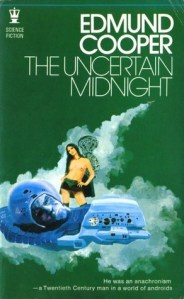
U is for The Uncertain Midnight by Edmund Cooper

The author wrote that he had written this book before the Space Age, before the development of lasers, before it was possible to give a man a new heart.

I like it because of that; it’s low on technology and high on philosophy. It’s not set in outer space, but firmly on Earth  – but Earth in the 22nd century, a world run by machines, androids, who have taken over the burdens of work and responsibility, a world where the humans are required to spend their lives in leisure pursuits, but are subject to ‘Analysis’ (brain-washing) if the androids think they are maladjusted .

John Markham emerges in 2113 after spending 146 years in suspended animation, frozen deep under ground after an atomic holocaust had devastated his world. In 2113 not all humans were happy to leave everything to the androids. Known as Runners these humans believed in ‘human dignity, freedom of action and the right to work’. Markham struggles to adapt and this raises the question of whether the androids could be said to be alive – leading to discussions about the definition of life, the difference between determinism and free will, and eventually leading to war between the androids and the Runners.

L is for The Ladies of Grace Adieu and other Stories by Susanna Clarke
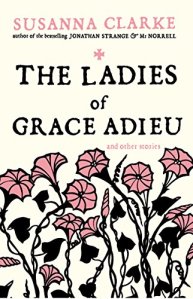
As a child I read all the fairytale books I could find and The Ladies collection takes me back to the magical world of those stories. They are full of deep dark woods, paths leading to houses that seemingly move locations, ladies who are never what they appear to be, princesses, owls, and above all fairies, including the Raven King.

The stories are all captivating and strange and set up echoes in my mind of such fairytales, as Rumpelstiltskin (in On Lickerish Hill). My favourite stories are The Ladies of Grace AdieuMrs Mabb, and The Duke of Wellington Misplaces His HorseThe Ladies explains why Jonathan Strange prevented his clergyman brother-in-law from an engagement with Cassandra Parbringer as Strange discovers that his magic is no match for Cassandra and her two friends, the three bewitching ladies of Grace Adieu.

The story I enjoyed the most was The Duke of Wellington Misplaces His Horse. I have not read any of Neil Gaiman’s books, but I think I really should. The story of the Duke’s horse is set in Wall, a village in the world created by Neil Gaiman and Charles Vess, where there is an actual wall dividing our world and the world of Faerie, guarded by burly villagers with cudgels. The proud Duke, the Nation’s Hero, passes unchallenged by the intimidated villagers into Faerie, in pursuit of his horse. His fate is then seemingly set in stitches in a magnificent piece of embroidery in exquisite pictures. The Duke’s fate depends on whether he can alter the future shown in the embroidery. The ending has a satisfying twist.
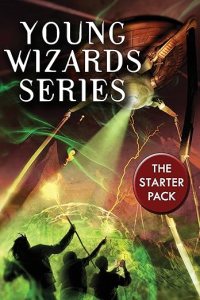
Y is for Young Wizards Series: The First Three Books  by Diane Duane. I haven’t read these books. If you have please let me know what you think about them.

Nita is just looking for an escape from her bullies when she stumbles upon an odd book in thelibrary: “So You Want to Be a Wizard.” Nita at first thinks it s a joke. But once she reads the mysterious book, an alternate universe of Manhattan reveals itself to Nita and her friend Kit. The pair embark on a terrifying adventure where real life and magic intertwine and they find themselves entrenched in a battle between good and evil.

Join Nita and Kit on their magical adventures in the Young Wizards starter pack dive deep into the ocean of Deep Wizardry where whales are wizards and ancient rituals are performed by sharks and dolphins. From the sea to the sky, join the dynamic duo on their third and most frightening challenge yet: Nita s little sister, Dairine. Not only is she too smart for a ten-year-old, but she just became a wizard with almost limitless power. Kit and Nita end up chasing her across the galaxy before she gets into trouble so deep no one can rescue her.

For fans of magic with a thirst for adventure, dive right in with the Young Wizards starter pack, which contains three books: “So You Want to Be a Wizard, Deep Wizardry, “and “High Wizardry. “”

The next link up will be on August 2, 2025 when the optional theme will be Written by your favorite author(s)
Top 5 Tuesday:top 5 books with stars on the cover

Top 5 Tuesday was created by Shanah at Bionic Book Worm, and it is now being hosted by Meeghan at Meeghan Reads. For details of all of the latest prompts for April to June, see Meeghan’s post here.

Today the topic is top 5 books with stars on the cover. One of my favourite paintings is Vincent Van Gogh’s Starry Night, so I’ve chosen books about the painting, Van Gogh’s life, about his time in an asylum, historical fiction, and two children’s books.

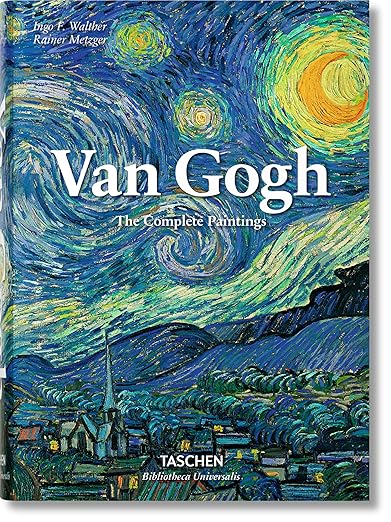
Van Gogh. The Complete Paintings by Ingo F. Walther and Rainer Metzger

Vincent van Gogh’s story is one of the most ironic in art history. Today, he is celebrated the world over as one of the most important painters of all time, recognized with sell-out shows, feted museums, and record prices of tens of millions of dollars at auction.

Yet as he was painting the canvases that would subsequently become these sell-out modern masterpieces, van Gogh was battling not only the disinterest of his contemporary audiences but also devastating bouts of mental illness, with episodes of depression and paralyzing anxiety which would eventually claim his life in 1890, when he committed suicide shortly after his 37th birthday. This comprehensive study of Vincent van Gogh (1853–1890) pairs a detailed monograph on his life and art with a complete catalogue of his 871 paintings.

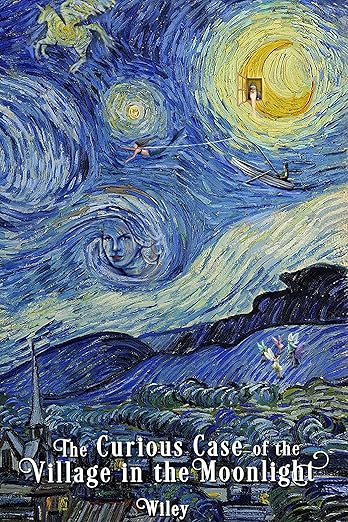
The Curious Case of the Village in the Moonlight by Steve Wiley.

Newly admitted patient Vincent Van Gogh watched as the first stars of what would become The Starry Night blinked to life over the sleepy village of Saint-Rémy.

In that village lived a lamplighter. That notorious starry night would be his last one on the job. The town was scheduled to be wired with a new and innovative technology called ‘electricity’ the following day. The lamplighter began his last night of work at the village tavern during green hour — an absinthe-drenched celebration in his honor. Green hour would transform the night from familiar to fantastical, with the village street lamps mysteriously vanishing. The lamplighter finds himself swept away on a wonderfully strange adventure to find and light the lost lamps, one that will take him from the depths of wish-filled rivers to the heights of the star-filled sky. Along the way, the lamplighter finds help from a curious cast of characters including the Man in the Moon, an ages-old cypress tree, and the wind itself. It will take all of them to find the lost lamps, and a lost love.

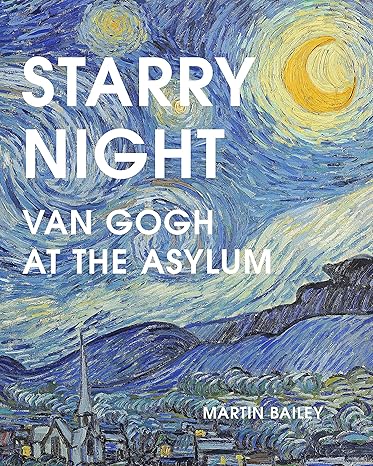
Starry Night: Van Gogh at the Asylum by Martin Bailey

Starry Night is a fascinating, fully illustrated account of Van Gogh’s time at the asylum in Saint-Remy, during which he created some of his most iconic pieces of art.

Despite the challenges of ill health and asylum life, Van Gogh continued to produce a series of masterpieces – cypresses, wheatfields, olive groves and sunsets during his time there. This fascinating and insightful work from arts journalist and Van Gogh specialist Martin Bailey examines his time there, from the struggles that sent him to the asylum, to the brilliant creative inspiration that he found during his time here.

He wrote very little about the asylum in letters to his brother Theo, so this book sets out to give an impression of daily life behind the walls of the asylum of Saint-Paul-de-Mausole and looks at Van Gogh through fresh eyes, with newly discovered material.

An essential insight into the mind of a flawed genius, Starry Night is indispensable for those who wish to understand the life of one of the most talented and brilliant artists to have put paintbrush to canvas.

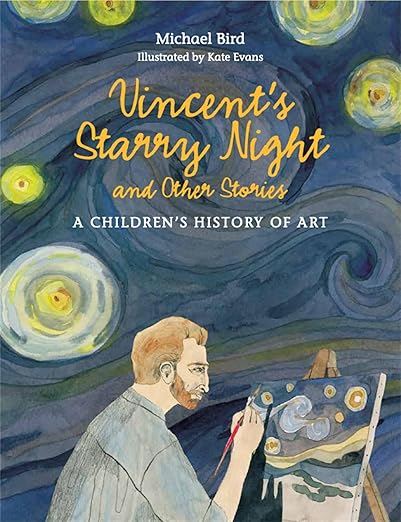
Vincent’s Starry Night and Other Stories: A Children’s History of Art by Michael Bird

An enthralling journey through 40,000 years of art, from prehistoric cave paintings right up to the present day. Discover artists and their art around the world, in exciting and imaginative tales about artists and the way they created their work.
Written by educator and art historian Michael Bird, and illustrated by Kate Evans, the book also features reproductions of the famous artworks discussed, a comprehensive timeline of events, and extra feature spreads on places connected with art.
This is a beautiful and engaging introduction to art for any home or school library.

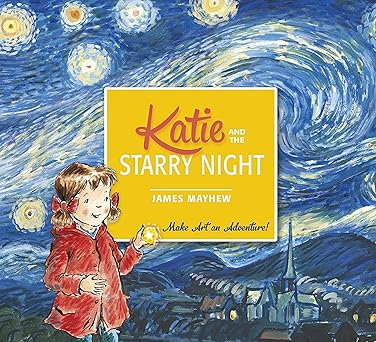
Katie and the Starry Night by James Mayhew

Join Katie as she steps into some of the most famous paintings in the world for an exciting art adventure!

The stars in Vincent van Gogh’s painting are so beautiful that Katie can’t resist reaching in and taking one. But what will she do when all the other stars come tumbling out of the painting, too? Will Katie be able to catch the stars before the gallery guard notices they’ve floated away?

Top Ten Tuesday: Authors (or books by authors) Who Live In My State/Country
Top Ten Tuesday is a weekly meme created by The Broke and the Bookish and now hosted by Jana at That Artsy Reader Girl. For the rules see her blog.

The topic this week is Authors (or books by authors) Who Live In My State/Country. I live in the UK. I’ve chosen authors who live/have lived in two Counties of the UK – Northumberland, where I now live and Buckinghamshire, where I used to live. The titles marked with * are linked to my reviews and the rest to Goodreads.

Northumberland:

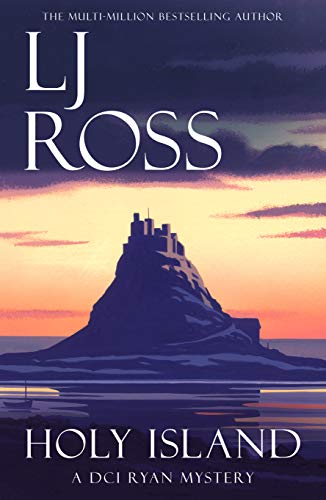
  • L J Ross — Holy Island – crime fiction (DCI Ryan)
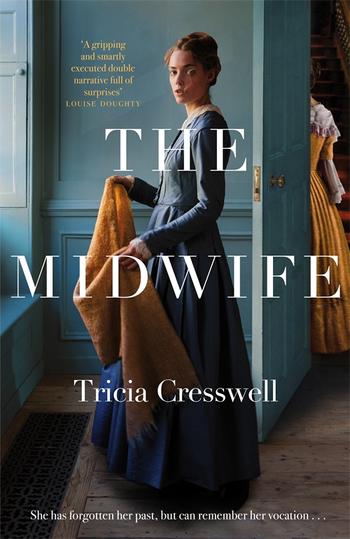
  • Tricia Cresswell – The Midwife – historical fiction
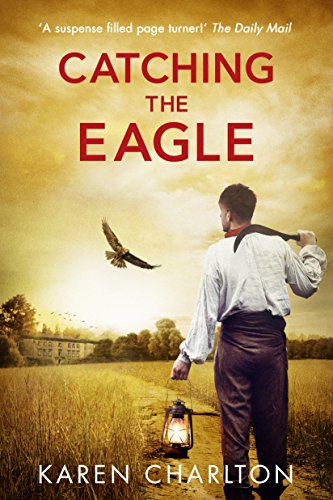
  • Karen Charlton – Catching the Eagle – historical fiction*
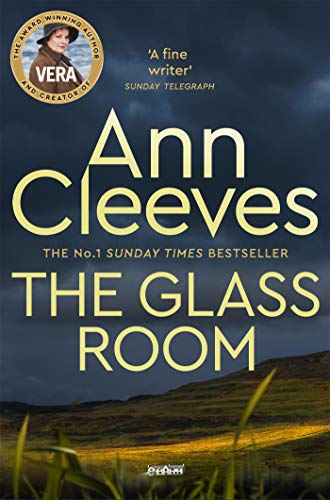
  • Ann Cleeves – The Glass Room – crime fiction (Vera Stanhope)*
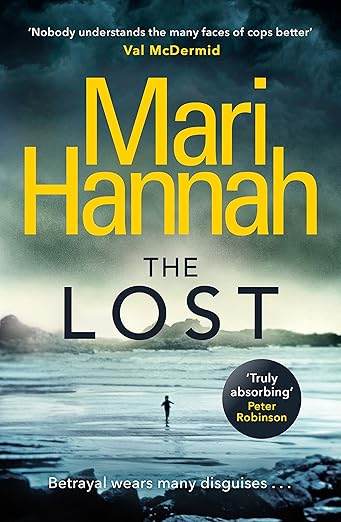
  • Mari Hannah – The Lost – crime fiction (DS Frankie Oliver and DI David Stone)

Buckinghamshire

Have you read any of them?

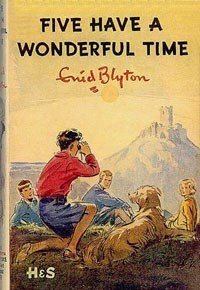
Five Have a Wonderful Time by Enid Blyton

I’ve read two books for the 1952 Club, hosted by Karen at Kaggsy’s Bookish Ramblings and Simon from Stuck in a Book blogs. My first book is

Five Have a Wonderful Time by Enid Blyton, the 11th in the series of 21 books;

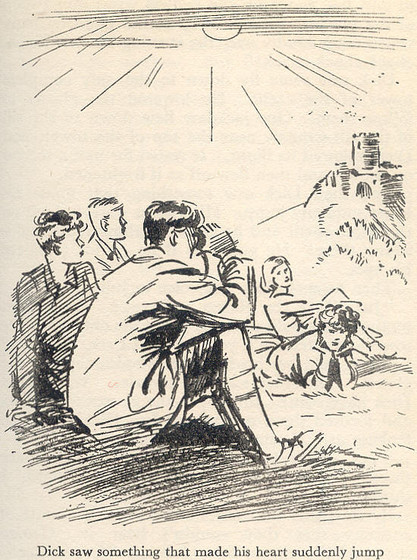
The Famous Five are having a brilliant time – on holiday in horse-drawn caravans – and they’ve discovered a ruined castle nearby! The castle looked deserted from a distance – but is that a face at the window? Or is it a trick of the light? The Famous Five just have to find out! Just who is hiding in the castle?

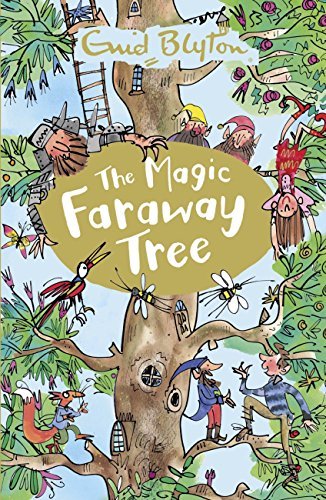
I had a wonderful time as a child reading Enid Blyton’s books. Her books gave me so much pleasure as a child going right back to her Noddy and the Magic Faraway Tree books. Her Malory Towers books were my favourites, but I also enjoyed the Favourite Five, The Secret Seven and the Adventure and Mystery series too.

The Five are Julian, Dick and Anne, their cousin, George (real name Georgina, but not call her that), and Timmy, George’s dog. Their ages aren’t mentioned in this book but according to Enid Blyton.net, Julian was twelve in Five on a Treasure Island, the first in the series, Dick and George were eleven, and Anne was ten. In the next book, Five Run Away Together, they were all a year older since their last adventure on Kirrin Island, a year before. After that in the later books, it seems that their ages were frozen in time (like Agatha Christie’s Poirot) — otherwise they would have been well into their twenties before the end of the series.

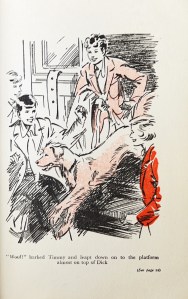
jpeg image-4b38-bb38-9f-0-1

It’s the summer holidays and George is waiting impatiently at home recovering from a cold, whilst the rest of the Five are staying in a couple of old-fashioned gypsy caravans in a field near the village of Faynights, opposite the ruins of Faynights Castle. There’s news that two famous scientists have disappeared, with plans to go abroad and sell their secrets to another country. Julian is worried one of them might be his Uncle Quentin, George’s father. He isn’t and knows the two men, and insists that Derek Terry-Kane, in particular, would never be a traitor.

When George arrives they all go to the village shop to buy ice creams and the shop woman tells them some ‘fair folk’ are coming who usually camp in the field where the children are staying. She says it’s not a fair nor a circus, but a sort of mixed-up show with a fire-eater, a man with snakes, an India-Rubber man, and a man who can get himself free, no matter how tightly he’s tied up with ropes. When they arrive they insist the children have to leave the field, saying ‘No kids are allowed in our field’ and make life very unpleasant for them. Then their caravans disappeared whilst the children were out – the fair people had towed them into the next field. This is only resolved when Jo, a gypsy girl turns up, whose uncle is the fire-eater. She insists that they are her best friends and makes them bring the caravans back.

Julian though, isn’t happy and wants them to leave. But he changes his mind when Dick spots a face in a window-slot at the top of the only complete tower at the top of the castle. He thinks it’s a man’s face with bushy eyebrows. George remembers that Terry-Kane has thick black eyebrows. They decide they can’t leave without exploring the castle and find an explanation for the face – is Terry-Kane in the castle? So the next day they do just that and find themselves in the middle of a very dangerous mystery. It’s only with Jo’s help and the fairground entertainers with their amazing skills that it all ends well.

This really is a book that reflects the lives and attitudes of the 1950s. The children go exploring on their own much more so than they are allowed to do today, playing outdoors, exploring where they lived in the woods and fields, riding bikes with friends, and going swimming. And as a child of the 1950s that’s what my childhood was like, but not to the same extent as the Famous Five! Boys were encouraged to be strong and independent, whilst girls tended to be domesticated. Anne, for example, does the shopping, tidies the caravans and does the cooking, whereas the boys get the water and collect wood for the camp fire. George, a tomboy is the exception – she has short hair, scorns skirts and dresses in shorts and wants to do what the boys do.

Yesterday’s Britain, published by the Reader’s Digest describes the period 1950 – 1959 as a ‘golden age for some people‘, with ‘Britons better off as material prosperity swept away the last vestiges of austerity. “Most of our people have never had it so good,” declared Harold Macmillan.

Public figures were automatically respected, authority was deferred to inside as well as outside the home, and children grew up with an unquestioning sense of security.

It’s a pity that we can’t say the same for today!

About Enid Blyton

She wrote around 760 books during her fifty-year writing career!  The 1950s was her most productive period, often publishing more than fifty books a year. However, her books have been criticised over the years, saying they are mediocre material, formulaic books with fantastical plots, xenophobic and ‘reflected negative stereotypes regarding gender, race, and class.’ Her books are very much of their time – she was born in 1897 and died in 1968. She began writing in the 1920s, with most of her series dating from the 1940s, when lives and attitudes were very different from those of today. I think they are books that provided comfort reading during and after the Second World War. Some of Blyton’s books have been ‘updated’ over recent years to remove or alter potentially offensive language and imagery, in an attempt to make them appeal more to modern children.

I thoroughly enjoyed them, finding them fun to read and completely unaware at the time that there was so much criticism when I read her books. She wrote about children whose lives were very different from mine and that was one reason I liked them. I loved the fact that her books took me to magical places, places of adventure where children could solve mysteries, thwart criminals, be independent of adults and have great fun, a world of mysterious castles and islands, exploring secret passages and hidden chambers and finding buried treasure.

There are a number of websites with information about Enid Blyton – the Enid Blyton Society and Enid Blyton.net to name but two.

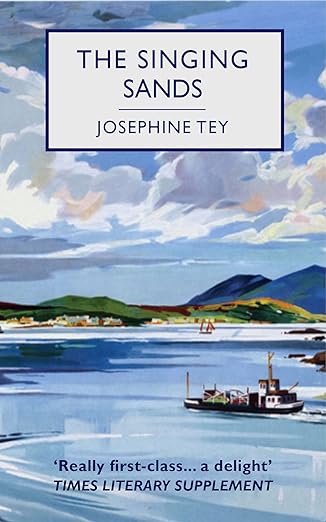
My next book published in 1952 is The Singing Sands by Josephine Tey – more about that later this week.

The 1952 Club

 Simon and Karen are holding the next bi-annual even from 21st to 27th April 2025, when we’ll be reading books from 1952! They are asking readers across the internet to join together to build up a picture of the year 1952 in books – you can read, share, review and comment on any book from the year in question; you can get involved as much or as little as you like. You could read one book or several; it’s low pressure and you have a wide choice of reading matter! There will be a dedicated page for the club where Karen will share links to other people’s posts and reviews.

I’ve previously read and reviewed read these books published in 1952:

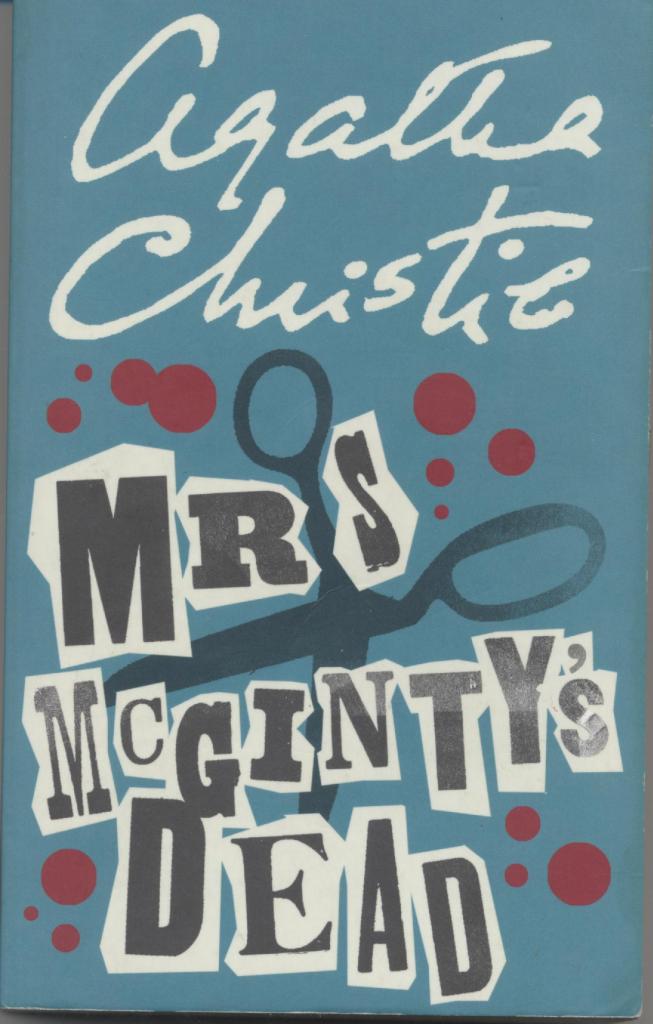
Mrs McGinty’s Dead (Poirot and  Mrs Ariadne Oliver)

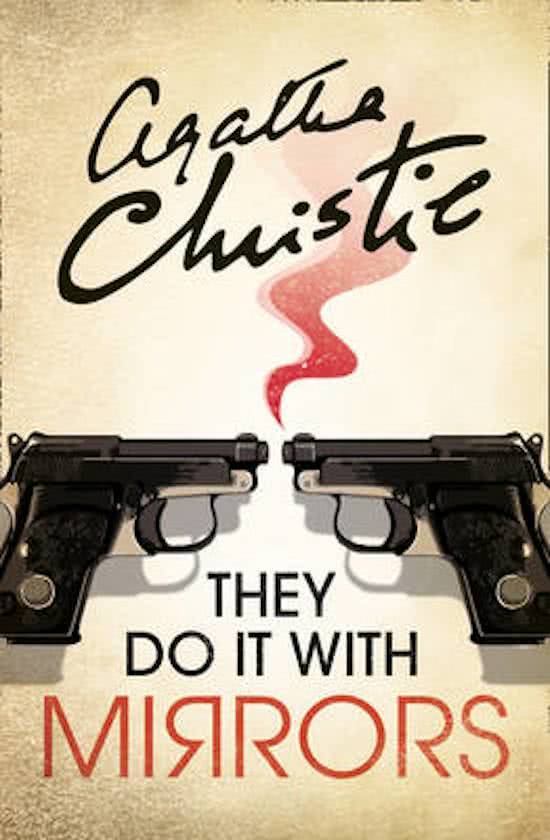
They Do It With Mirrors (Miss Marple)

The Old Man and the Sea by Ernest Hemingway

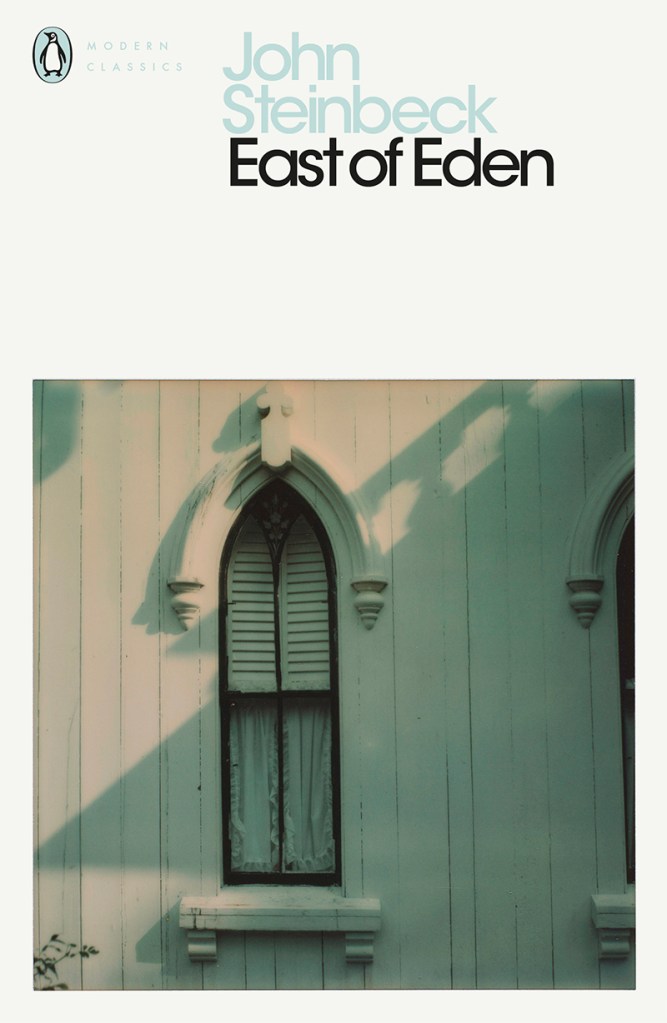
East of Eden by John Steinbeck

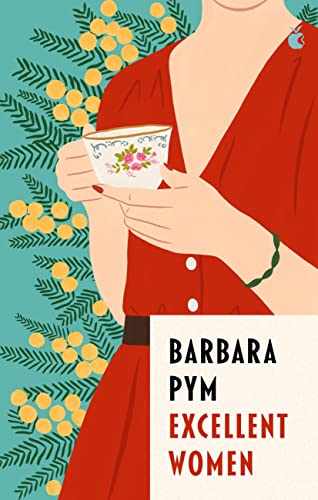
Excellent Women by Barbara Pym

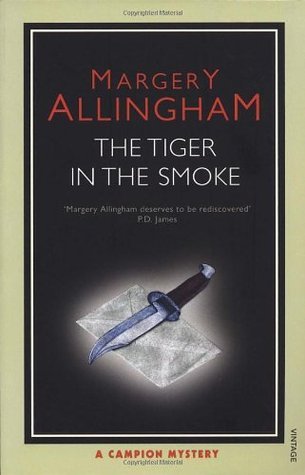
Tiger in the Smoke by Margery Allingham

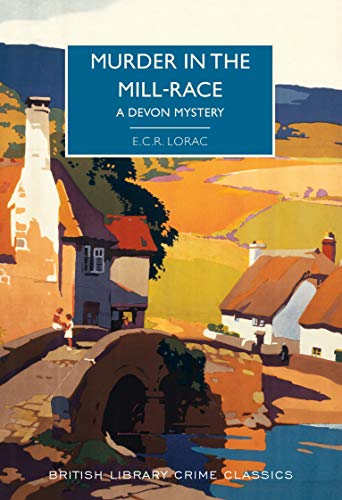
Murder in the Mill Race by E C R Lorac

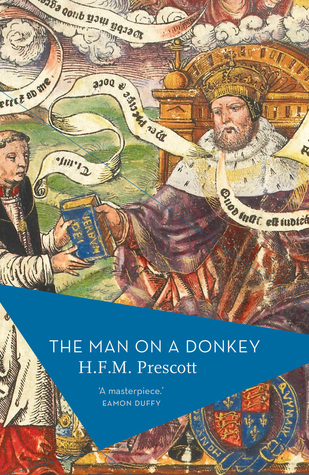
The Man on a Donkey by H F M Prescott

I have other books published in 1952 to read in my TBRs, so I’ll read one or more of the following books:

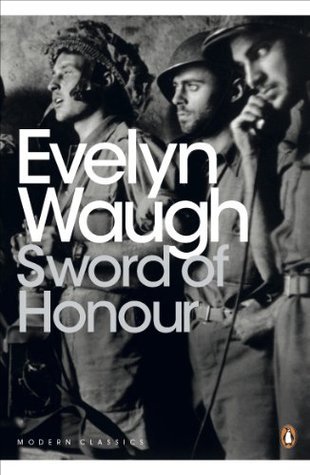
Sword of Honour – the first book in the Men at Arms series by Evelyn Waugh

Five Have a Wonderful Time by Enid Blyton

The Singing Sands by Josephine Tey – this was the last of Josephine Tey’s Inspector Grant mysteries, published posthumously by Peter Davies Ltd in 1952

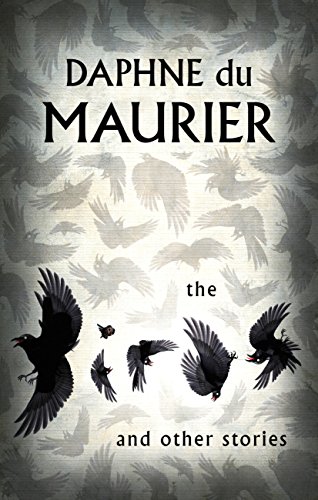
The Birds and other stories by Daphne du Maurier

Top 5:non-human characters

Top 5 Tuesday was created by Shanah at Bionic Book Worm, and it is now being hosted by Meeghan at Meeghan Reads. For details of all of the latest prompts for October to December, see Meeghan’s post here.

It’s time to talk about books with non-human characters  animals or supernatural creatures… maybe even a park bench. Who are your favourite non-human characters?

This is a selection of some of the books with non-human characters that I’ve read and enjoyed. I’ve read all these books, so the links in the titles take you to my reviews.

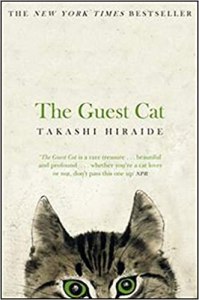
The Guest Cat by Takashi Hiraide. The main character in this book is a stray cat, Chibi, who made herself at home with a couple in their thirties who lived in a small rented house in a quiet part of Tokyo. At first the cat was cautious and just peeked inside their little house but eventually Chibi spent a lot of time with the couple coming and going as she pleased.

The Toymakers by Robert Dinsdale –  a wonderful book about Papa Jack’s Emporium in London, a toyshop extraordinaire. The toys it sells aren’t ordinary toys – they seem alive, from patchwork dogs, to flying pegasi, Russian dolls that climb out of one another, runnerless rocking horses, whales that devour ships, fire-breathing dragons and many others to the toy soldiers that wage war on each other.

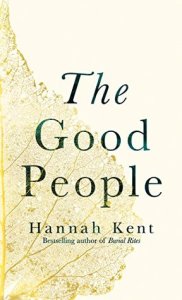
The Good People by Hannah Kent is set in 1825/6, a long gone world of people living in an isolated community, a place where superstition and a belief in fairies held sway. People talk of others being ‘fairy-swept’ or ‘away with the fairies’, and kept with the music and lights, dancing under the fairy hill.This is not a fairy story, but one in which their existence is terrifyingly real to the people of the valley. The villagers believe that the fairies live in Piper’s Grave, ‘the lurking fairy fort’, at the end of the valley, a place where few people went, a neglected and wild place. People see lights there, glowing near a crooked whitethorn tree that stood in a circle of stone. Nóra is completely unable to cope with Micheál, her four-year old grandson. There is talk that he is ‘fairy-struck’.

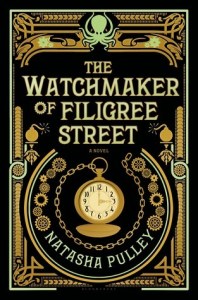
The Watchmaker of Filigree Street by Natasha Pulley, described as ‘steampunk’, this is a mixture of historical fact and fantasy set in Victorian times, both in London and Japan. The main characters are Thaniel Stapleton, who works in the telegraphy department of the Home Office in London, Keita Mori, watchmaker extraordinaire and an inventor of amazing clockwork creations and Grace Carrow, an Oxford physicist who sneaks into an Oxford library dressed as a man, desperate to prove the existence of the luminiferous ether. I loved Katsu, the clockwork octopus, which was made by Mori.

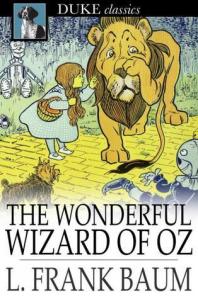
The Wonderful Wizard of Oz by L Frank Baum. I enjoyed this entertaining story, pure escapism, which I would have loved as a child, following Dorothy’s adventures in the Land of Oz after the cyclone whisked her house high in the air out of Kansas and set it down on top of the Wicked Witch of the East, thus killing her. Dorothy and her little dog, Toto, are very anxious to get back home to Kansas and they set out on the yellow brick road leading to the Emerald City to ask the Wizard of Oz to help them. On the way she meets the Scarecrow, the Tin Man and the Cowardly Lion, who go with her as they want the Wizard to give them brains, a heart and courage respectively.

Their journey is interrupted in various places and by a variety of creatures, some very dangerous indeed; as in most fairy tales, there is a fair amount of violence in the book, as Dorothy and her friends combat the Wicked Witch of the East.