
Top Ten Tuesday is a weekly meme created by The Broke and the Bookish and now hosted by Jana at That Artsy Reader Girl.
The rules are simple:
Each Tuesday, Jana assigns a new topic. Create your own Top Ten list that fits that topic – putting your unique spin on it if you want. Everyone is welcome to join but please link back to Jana in your own Top Ten Tuesday post. Add your name to the Linky widget on that day’s post so that everyone can check out other bloggers’ lists. Or if you don’t have a blog, just post your answers as a comment.
The topic this week is Bookish Discoveries I Made in 2025 (New-to-you authors you discovered, new genres you learned you like, new bookish resources you found, friends you made, local bookshops you found, a book club you joined, etc.)
I decided to list 10 of the 24 New-to me- authors I read last year. I’ll be looking out for more books by these authors.
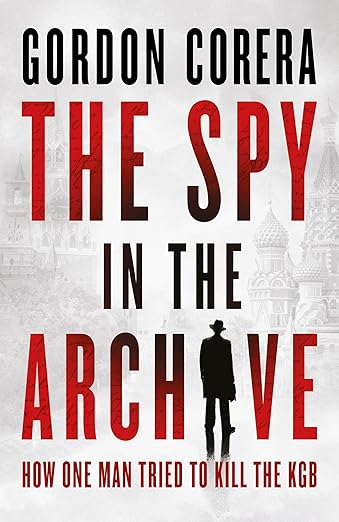
Gordon Corera – The Spy in the Archive, nonfiction about Vasili Mitrokhin, a KGB archivist who defected to Britain in 1992. Mitrokhin, a quiet, introverted and determined man, was a reluctant defector, because whilst he loved Russia he came to hate the KGB and the Soviet system.
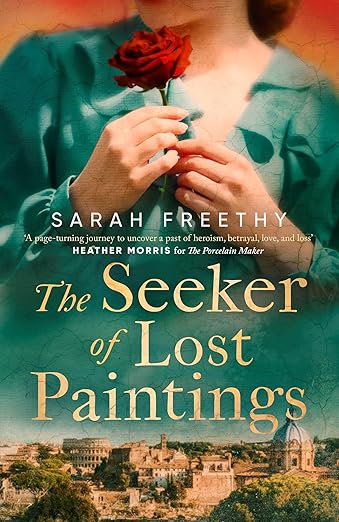
Sarah Freethy – The Seeker of Lost Paintings, historical fiction set in two timelines, one in the 1940s in Italy and the other in 1997 in London and Italy, about the mystery surrounding a lost painting by Carravagio.
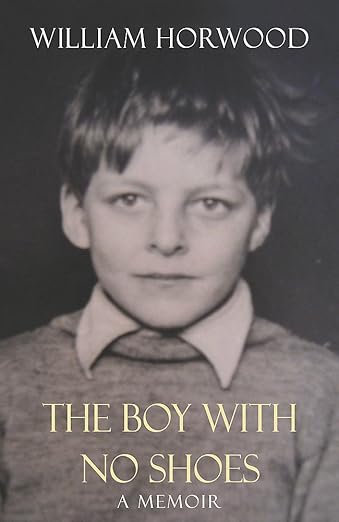
William Horwood – The Boy With No Shoes: a Memoir, (the author of the Duncton Chronicles, which I haven’t read). This is a long and detailed book. It is beautifully written and as he tells the story of his very early life there are many times when it moved me to tears. His writing is so clear that the places and people he describes spring to life as you read. I loved it, one of the best books I read last year!
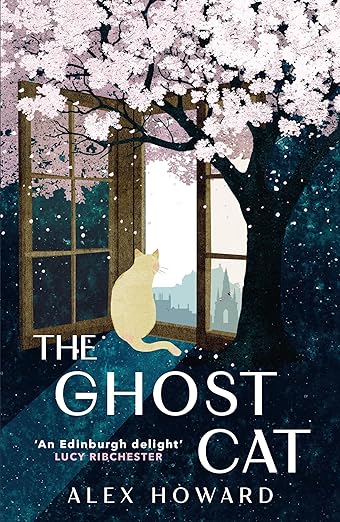
Alex Howard – The Ghost Cat, a novella and historical fantasy fiction about Grimalkin’s nine lives from 1887 to 2022. As well as the main story there are Grimalkin’s observations and notes explaining various events and technological changes that had taken place in each period.
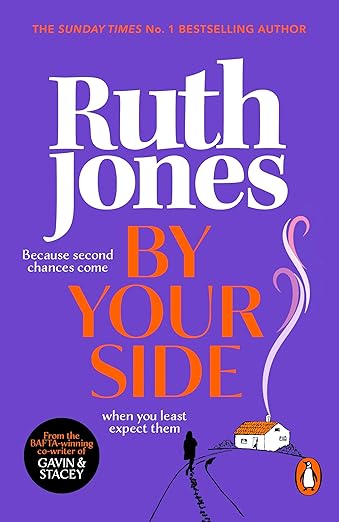
Ruth Jones – By Your Side, an emotionally charged book as Linda Standish takes on her last case for the Council’s Unclaimed Heirs Unit, tracking down Levi Norman’s next of kin.
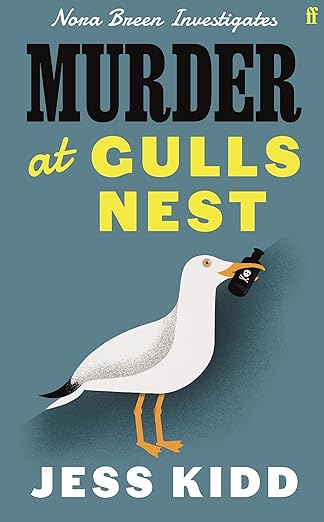
Jess Kidd – Murder at Gull’s Nest, crime fiction set in the 1950s in a seaside town. At times it feels like a cosy crime mystery, but it’s also rather dark and foreboding, whereas at other times there’s some humour and also a hint of a romance.
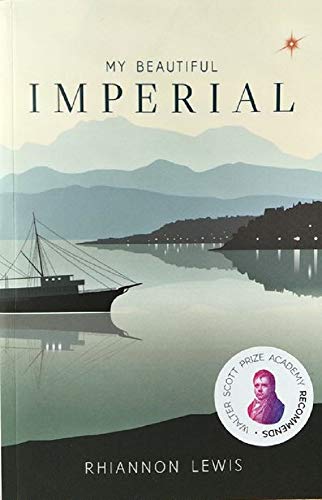
Rhiannon Lewis – My Beautiful Imperial, historical fiction set in the 19th century in both Wales and Chile. It begins in Wales in March 1865 with Davy Davies, a young teenager who is at the age when he must decide whether to work at the mill or to be a sailor like father. It’s based on the actual events of the Civil War in Chile and the experiences of the author’s ancestor, Captain David Jefferson Davies.
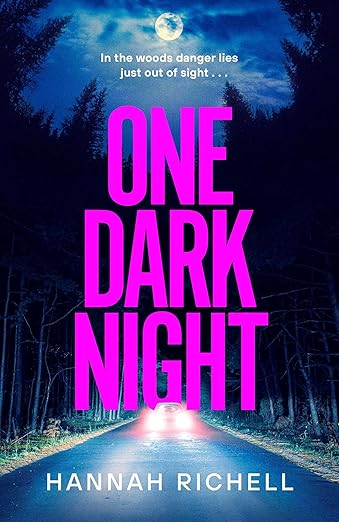
Hannah Richell – One Dark Night, crime fiction, with a spooky, tense atmosphere about the police investigation into the body of a young woman is discovered in the woods the morning after Halloween. I loved it, one of the best books I read last year.
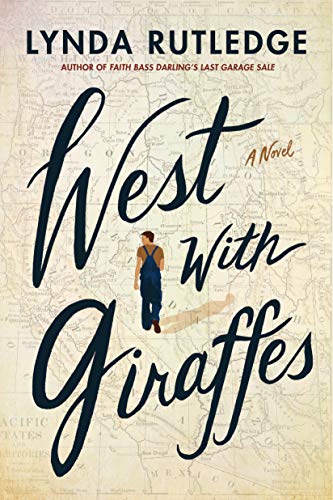
Lynda Rutledge – West With Giraffes, historical fiction with a colourful cast of characters, about the twelve-day road trip in a custom truck to deliver Southern California’s first giraffes to the San Diego Zoo. It conjures up a vivid picture of America in 1938 during the Great Depression and the Great Hurricane of 1938, the most destructive storm to strike New England in recorded history until 2012’s Hurricane Sandy.
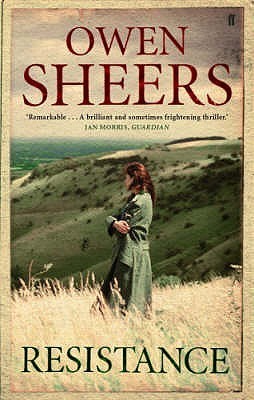
Owen Sheers – Resistance. I love historical fiction, but this is different – it is alternate history. Sheers speculates upon how the course of history might have been altered if Germany had won the Second World War and invaded and occupied Great Britain, an alarming prospect. The plot centres on the inhabitants of the isolated Olchon valley in the Black Mountains of south-east Wales close to Hereford and the border between Wales and England.
 BooksPlease