This is a monthly link-up hosted by Kate at Books Are My Favourite and Best. On the first Saturday of every month, a book is chosen as a starting point and linked to six other books to form a chain. Readers and bloggers are invited to join in by creating their own ‘chain’ leading from the selected book.
Books can be linked in obvious ways – for example, books by the same authors, from the same era or genre, or books with similar themes or settings. Or, you may choose to link them in more personal ways: books you read on the same holiday, books given to you by a particular friend, books that remind you of a particular time in your life, or books you read for an online challenge.
A book doesn’t need to be connected to all the other books on the list, only to the ones next to them in the chain. This month we are staring with a novella that’s on your reading list – in recognition of Novellas in November.
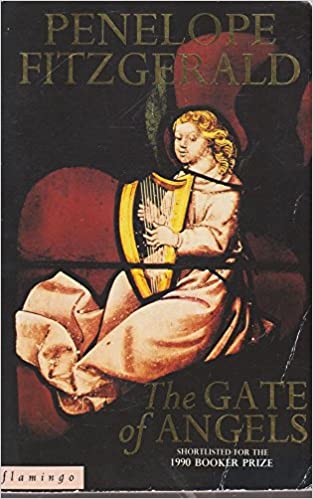
I’m starting with The Gate of Angels by Penelope Fitzgerald, a novella on my reading list. It is 1912, and at Cambridge University the modern age is knocking at the gate. Fred Fairly, a Junior Fellow at the college of St Angelicus, where for centuries no female, not even a pussy cat, has been allowed to set foot, lectures in physics. Science, he is certain, will explain everything. Until into Fred’s orderly life come Daisy. Fred is smitten. Why have I met her? he wonders. How can I tell if she’s quite what she seems? Fred is a scientist. To him the truth should be everything. But even scientists make mistakes.
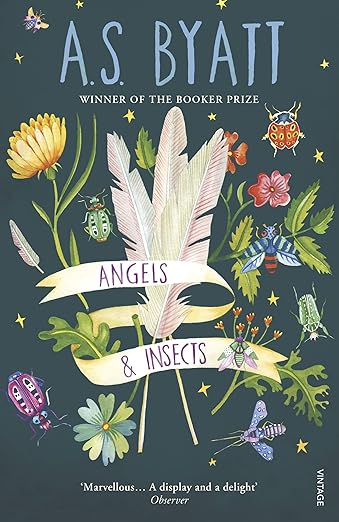

My first link is Angels and Insects by A S Byatt – two mesmerising novellas are set in the nineteenth century another novella. In Morpho Eugenia, an explorer realises that the behaviour of the people around him is alarmingly similar to that of the insects he studies. In The Conjugal Angel, curious individuals – some fictional, others drawn from history – gather to connect with the spirit world. Throughout both, Byatt examines the eccentricities of the Victorian era, weaving fact and fiction, reality and romance, science and faith into a sumptuous, magical tapestry.
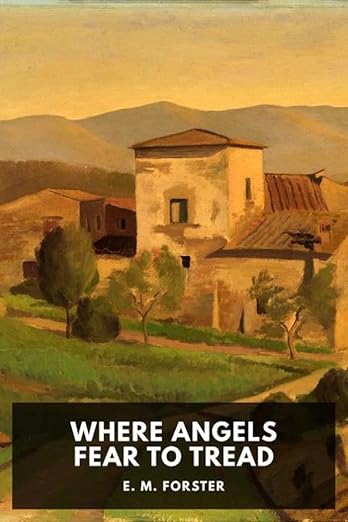
Next another novella, Where Angels Fear to Tread by E M Forster. When a young English widow travels to Italy and makes an unexpected decision that shocks her conservative family, the consequences ripple across cultures and relationships. E. M. Forster contrasts the warmth, spontaneity, and passion of Italian life with the restraint and propriety of Edwardian England, creating a story filled with tension, irony, and quiet tragedy..
I’m staying with ‘angels’ and books on my reading list, but the next books are not novellas.
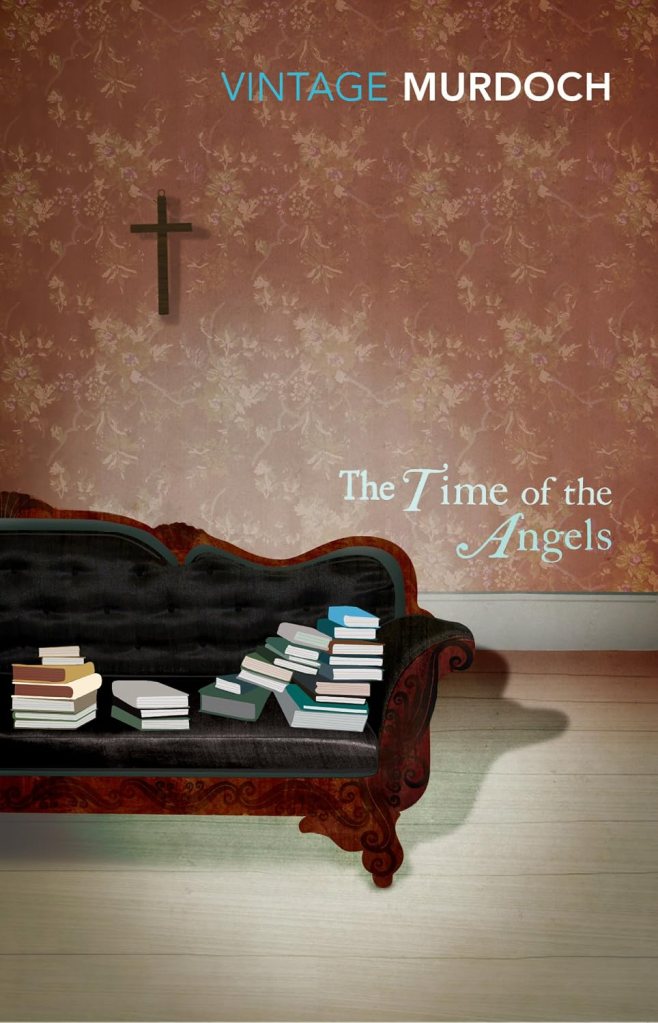
The Time of Angels by Iris Murdoch – The central character is Carel is a widowed rector presiding over a London church destroyed during the war. He believes that, God being dead, His angels have been released. This is a novel described on the back cover as ‘chilling‘ with an ‘all-pervading sense of evil you can almost touch – evil from which no-one can escape.’
The Wine of Angels by Phil Rickman, the first Merrily Watkins novel, in which the Rev Merrily Watkins tries to be accepted as the vicar (or priest-in-charge as she insists she ought to be called) in the country parish of Ledwardine in Herefordshire, steeped as it is in cider and secrets and echoes of the poet Thomas Traherne who was once based in the area.
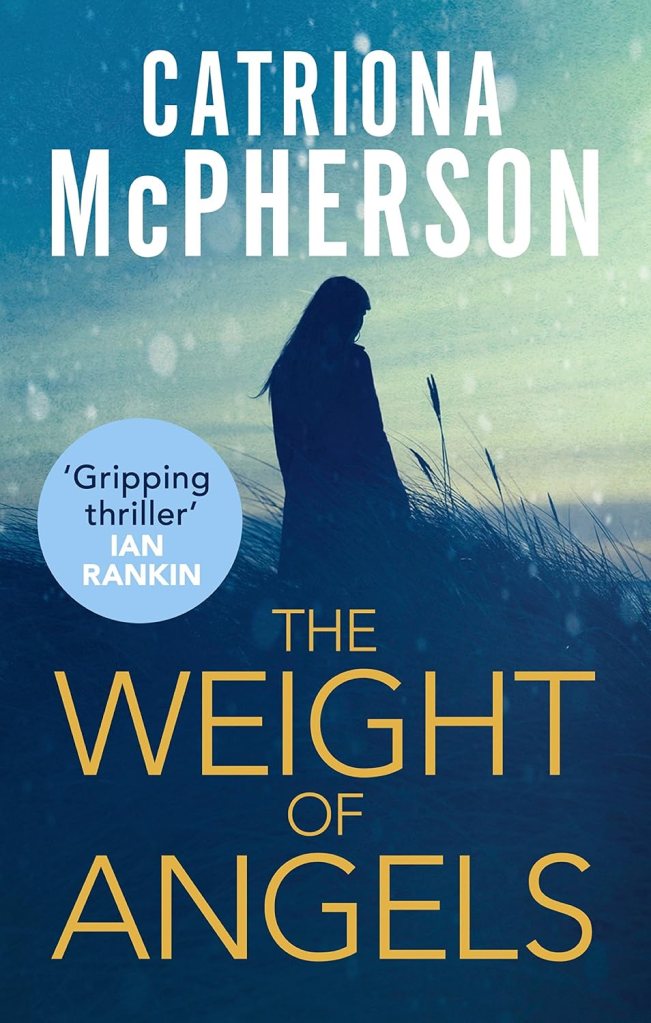
The Weight of Angels by Catriona McPherson. I’ve read several of her Dandy Gilver books and enjoyed them. This book is a standalone psychological thriller, in which Alison McGovern takes a job as a beautician in a private psychiatric facility near her rented cottage and the ruins of Dundrennan Abbey. A body is discovered in a shallow grave by the abbey on Ali’s first day at work.
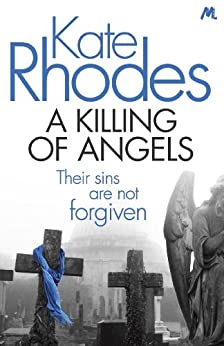
A Killing of Angels by Kate Rhodes – the second book in her Alice Quentin series. I haven’t read the first book but I thought this looks good – it’s a psychological thriller. At the height of a summer heatwave, a killer stalks the City of London.The avenging angel leaves behind a scattering of feathers with each body – but why these victims? What were their sins?
All the books are linked by their titles with the word Angels and they are all books on my books to be read list.
Next month (December 2, 2026), we’ll start with a story that takes place at Christmas – Small Things Like These by Claire Keegan – a book I have read and another novella.