I’ve got more books waiting to be read than I can possibly read in the near future, so many that they’re sitting around making me feel just a bit guilty that I can’t get round to them. So this post is just to list some of the titles, quoting the publishers’ blurbs.
Here are a few in no particular order and with no recommendation to read them, these are simply books that have been sent to me by the author/publisher to read and review. I may post my own thoughts on these books at a later date.
London, 1942 – With bombs raining down on London, the National Gallery’s most treasured paintings have been hidden away. The authorities have decided that only one masterpiece will be displayed each month. And each month, Daisy Milton writes to her cousin Elizabeth to tell her about the paintings, her life – and the man she loves.
London, present day – A terrible tragedy has left Claire’s marriage to Rob in tatters and there seems little hope of reconciliation. Then she finds Daisy’s letters, written to Rob’s grandmother, and gradually, picture by picture, month by month, Daisy’s world in the 1940s becomes more real to Claire than her own. Slowly, too, she begins to notice intriguing parallels between both their lives.
But Daisy is from another time, and unless Claire can find a way to make sense of the past, she risks losing everything that she cares about in the present.
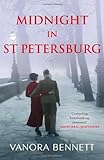 Midnight in St Petersburg by Vanora Bennett – published April 2013
Blurb from Amazon:
St Petersburg,1911: Inna Feldman has fled the pogroms of the south to take refuge with distant relatives in Russia’s capital city. Welcomed into the flamboyant Leman family, she is apprenticed into their violin-making workshop. With her looks and talents, she feels instantly at home in their bohemian circle of friends. But revolution is in the air and, as society begins to fracture, she is forced to choose between her heart and her head.She loves her brooding cousin, Yasha, but he is wild, destructive and bent on revolution; Horace Wallich, the Englishman who works for Fabergé, is older and promises security and respectability.
As the revolution descends into anarchy and blood-letting, a commission to repair a priceless Stradivarius violin offers Inna a means of escape. But will man will she choose to take with her? And is it already too late?
A Fearful Madness by Julius Falconer – published March 2013 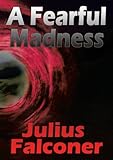
Blurb from the back cover:
If you think that religion, sex, the aristocracy and mystery might make a good crime novel, TRY THIS ONE! A police investigation into the violent death of a part-time cathedral verger stalls for lack of incriminating evidence. However, three people have a close interest in clearing the matter up where the police have failed: the dead man’s sister, anxious to see justice done, and two of the police suspects, both released without charge but keen to clear their names.
Striking out on their own, each approaches the murder from a different perspective: book-trafficking on the black market; revenge by an extremist religious organisation for the dead man’s betrayal of them; and retaliation in a case of blackmail. The police continue to maintain that the murder was committed out of sexual anger, even though they have no proof apart from the circumstances of the verger’s death.
Eventually DI Moat and his assistant DS Stockwell, from the North Yorkshire Force, take a hand. Moat pays his predecessors in the investigation, both professional and amateur, the compliment of taking their findings seriously – but comes up with an idea of his own.
The Spark by O H Robsson – Kindle edition, oublished February 2013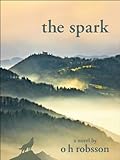
Blurb from Amazon:
He steps off the train and they’re there, watching and waiting, anticipating the moment when his head will turn and their eyes will meet. But there are too many people. The platform’s crowded and for ten seconds nothing happens, until suddenly somebody moves, a gap opens up and he sees them off to his right. There’s a pause, then they start to run. Eva with the dogs, Kristoffer with his bags, the four of them pushing through and around people, desperate to be together once more.
They hold each other tight, breathing each other in. It’s been too long. He reaches down to the dogs and she whispers into his ear that everything’s fine now, everything’s great. He nods his head and picks up his bags. She uses the word four more times before they reach the car. It seems everything’s great.
Except something’s wrong.
Enchanting and calming, ‘the spark’ is o h robsson’s classic tale of life and love, set amidst the breath-taking beauty of Norway’s west coast. Exclusive to this ebook edition are two behind-the-scenes photo galleries, and an in-depth author interview.
The Cuckoos of Batch Magna by Peter Maughan, published March 2103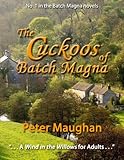
Blurb from Amazon:
When Sir Humphrey Miles Pinkerton Strange, 8th baronet and huntin’ shooting’ and fishin’ squire of the village of Batch Magna in the Welsh Marches, departs this world for the Upper House (as he had long vaguely thought of it, where God no doubt presides in ermine over a Heaven as reassuringly familiar as White’s or Boodle’s), what’s left of his decaying estate passes, through the ancient law of entailment, to distant relative Humph, an amiable, overweight short-order cook from the Bronx.
Sir Humphrey Franklin T Strange, 9th baronet and squire of Batch Magna, as Humph now most remarkably finds himself to be, is persuaded by his Uncle Frank, a small time Wall Street broker with an eye on the big time, to make a killing by turning the sleepy backwater into a theme-park image of rural England €“ a vacation paradise for free-spending US millionaires.
But while the village pub and shop, with the lure of the dollar in their eyes, put out the Stars and Stripes in welcome, the tenants of the estate’s dilapidated houseboats are above any consideration of filthy lucre and stand their ground for tradition’s sake €¦ and because they consider eviction notices not to be cricket.
Each disgruntled faction sees the other as the unwelcome cuckoo in the family nest.
So, led by randy pulp-crime writer Phineas Cook, and Lt-Commander James Cunningham DSO, DSC and Bar, RN (ret) €“ a man with a glass eye for each day of the week, painted with scenes from famous British naval victories and landscapes that speak of England €“ the motley crew run up the Union Jack and battle ensign and prepare to engage.
But this is Batch Magna, a place where anything might happen. And does €¦

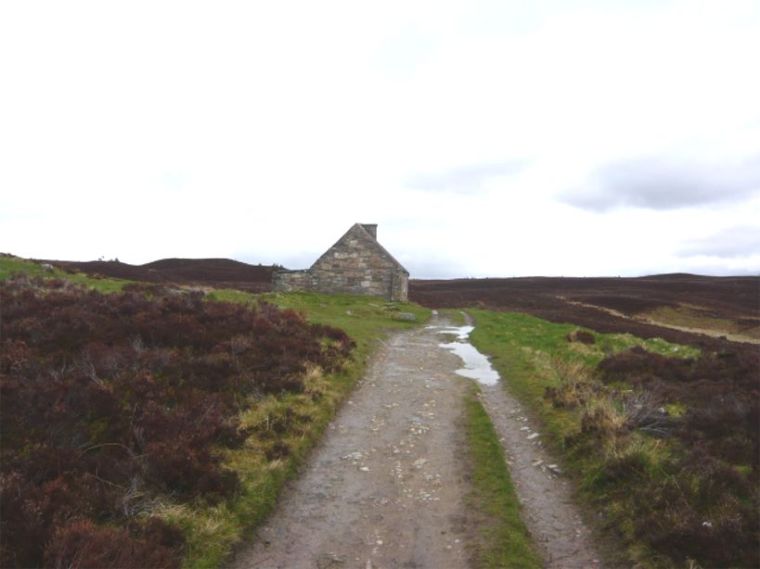

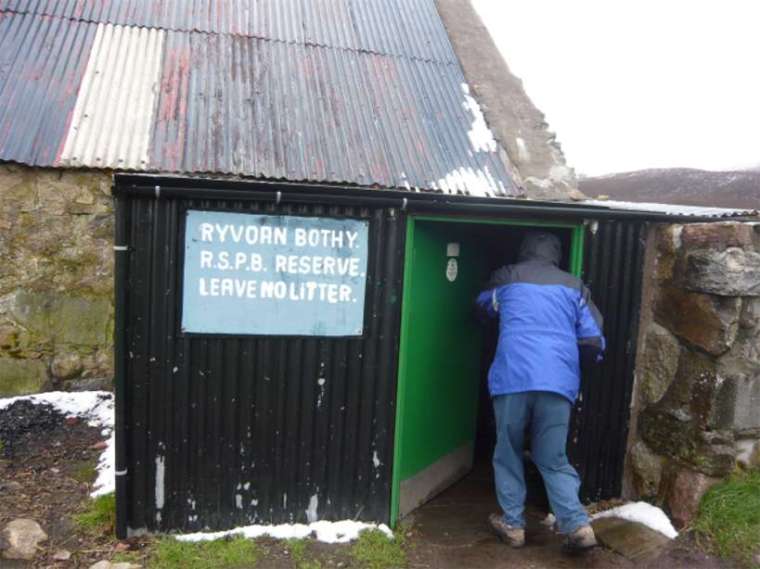 and this is what is inside: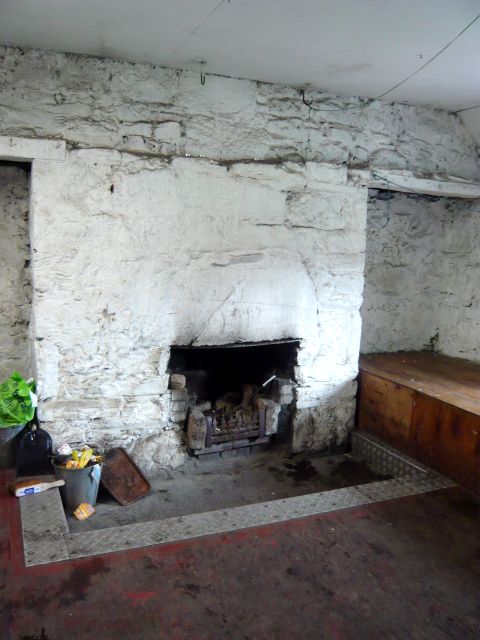




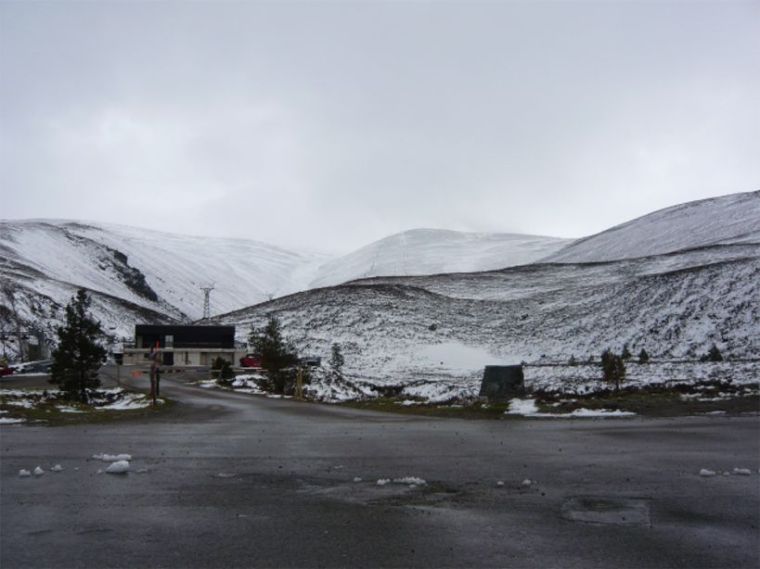 the Cairngorms – and there was snow in May.
 Lower down the snow fell too but didn’t stick. The photo below is of a beautiful little loch in the Glenmore Forest Park, An Lochan Uaine the ‘green lochan’ (although in my photo it looks blue – it was really green!). ‘Lochan’ is Gaelic for ‘ a small loch, or lake’.
 The green shows up more in this photo:
 BooksPlease