Last night D and I went to Abingdon for “An Evening With Susan Hill“, arranged by Mostly Books bookshop. Susan talked about her latest book Howards End is on the Landing, which I’m part way through. She read extracts from the book – one about Roald Dahl when they were both judges for literary competitions and the other about Iris Murdoch, who she knew when they both lived in Oxford. That extract was sad because her last meeting with Iris was when Iris was already suffering from Altzheimer’s and showed little recognition of Susan.
Susan’s favourite book by Iris Murdoch is my favourite too – The Bell. It was touching to hear her talk about Iris and the time she and John Bayley, her husband sang the Silver Swan madrigal in
… light wavering but not untuneful voices and everyone fell silent to listen. It could have been funny, a madrigal sung by these two small, oddly gnome-like figures, one of the country’s leading novelists and a distinguished don and man of letters. In fact it was rather moving. (page 117)
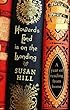 Howards End is on the Landing is an interesting little book which takes a look at some of the books in Susan’s three storey country house in Gloucestershire. She had decided to take a year off from buying new books and to read or re-read books from her own collection. There are books in every room and although she says they’re not arranged it appears that they are in some sort of order with books grouped together in different rooms even though they may be in strange combinations such as Medieval Monastic history books together with 400 Ladybird Books in one small room. I was amused to hear her say she has a Richard Dawkins’ book on a shelf next to an commentary on the Old Testament. I had a look this morning to see who he is next to on our shelves (until the removal men pack all the books away) – he is between a cookery book High Fibre Meals: a delicious range of menus to increase fibre in your diet and Ian Rankin’s novel Set in Darkness – quite an odd combination really. My books all started out sorted into fiction and non fiction and soon found their own order. Like Susan I know where they all are but every now and then some of them go missing.
In the book she has a few sharp words about e-readers and last night expanded on why she thinks there is a place for both “real” books and e-books. I haven’t ventured into the e-world just yet, but no doubt I will at some point as I think an e-reader would be useful in some situations – I wouldn’t have to leave a box of books handy for instance during our house move as I could load a few on an e-reader. She also has little room for book bloggers who
… boast of getting through twenty plus books in a week, as if they were trying for a place in the Guinness Book of Records. Why has reading turned into a form of speed dating? And then there is fashion and the desire to have the very latest book – which doesn’t matter a scrap so long as the book is wanted for itself, not just because it is one everybody is talking about, and so long as plenty of other, unfashionable books are desired as well. (page 171)
Thankfully I don’t fall into those categories, but I do blog, which Susan hasn’t got time for thinking
The internet can also have a pernicious influence on reading because it is full of book-related gossip and chatter on which it is fatally easy to waste time that should be spent actually paying close, careful attention to the books themselves, whether writing them or reading them. (page 3)
Phew! Personally I find blogging helps me concentrate more on my reading and writing. I no longer read a book and put it down thinking that was good, or not. It makes me think more about the book, what I liked and didn’t and analyse the themes, the way it was written and so on. Of course you have to be discerning about what you read and how much time you spend on the internet – it is easy to pass several hours without noticing, but for me it certainly hasn’t stopped me from being able to concentrate on single topics or tackle difficult long books.
Having said that I like Howards End is on the Landing very much. It’s full of lots of references to books and authors, some known to me and others not and Susan’s personal anecdotes. I just wish it had an index. It’s a bit like the blog she used to write.
It was an enjoyable evening, sadly the last I’ll be able to go to as soon we won’t be living in the area. It was nice to meet up again with Abigail from Gaskella and to meet Simon from Stuck in a Book and Becca from Oxford Reader.
 books I’ve read recently. Poirot investigates the death of Simeon Lee, the head of the Lee family. None of his family like him, in fact most of them hate him and there are plenty of suspects for his murder. He is found dead with his throat cut in a locked room – locked from the inside.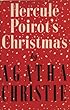

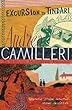 I particularly liked the way Montalbano’s thoughts are revealed and his relationship with his bosses. He’s another detective who works well on his own and with his own team independently of his superiors. He loves food and there are various desciptions of the meals he savours with great relish. He is also a bit of a philosopher – sitting in an old olive tree whilst musing on life and his work:
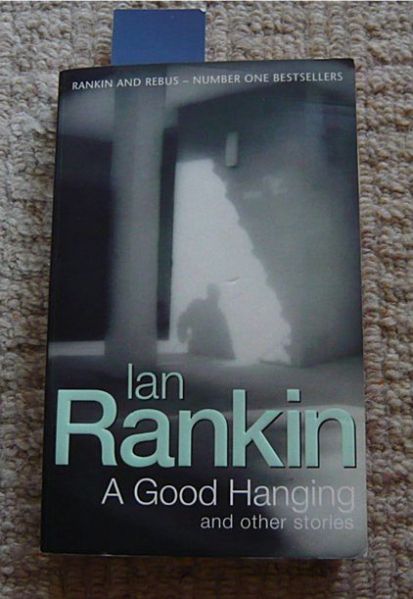 First published in 1992 it’s one of the earlier Rebus books. The first story in this book is called ‘Playback‘. It’s a bit dated now with Rebus impressed by being able to phone your home phone ‘from the car-phone’ to get ‘the answering machine to play back any messages.’ As the title indicates, solving the crime in this story hinges on phone messages. The police receive a phone call from the murderer confessing his crime. He panics and tries to flee, only to be caught as the police arrive on the scene of the crime. He then insists on his innocence. Rebus disentangles the puzzle even though this seems to be ‘the perfect murder’.
 I think
  BooksPlease