
Top Ten Tuesday is a weekly meme created by The Broke and the Bookish and now hosted by Jana at That Artsy Reader Girl. For the rules see her blog.
The topic this week is Covers/Titles with Things Found in Nature (covers/titles with things like trees, flowers, animals, forests, bodies of water, etc. on/in them).
This week I’ve read all ten books I’ve chosen so the links all take you to my reviews.
The first five books all have trees in the titles and on the covers:
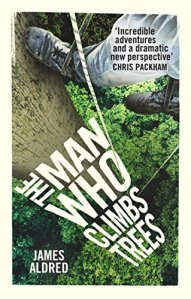
The Man Who Climbs Trees by James Aldred, nonfiction. If you have ever wondered how wildlife/nature documentaries are filmed this book has the answers. James Aldred, a professional tree climber, wildlife cameraman, and adventurer, explains how he discovered that trees are places of refuge as well as providing unique vantage points to view the world.
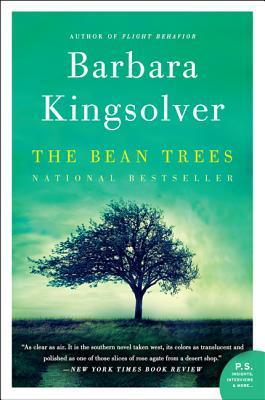
The Bean Trees by Barbara Kingsolver, a novel. There are several themes running throughout this book – both political and social including family relationships, particularly mother/child, sexual and physical abuse of small children, the integration of cultures, as well as the always current issue of refugees and illegal immigrants.
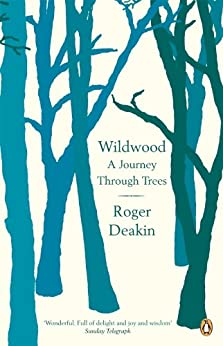
Wildwood: a Journey Through Trees by Roger Deakin about his journeys through a wide variety of trees and woods in various parts of the world. It’s a memoir, a travelogue and also it’s about the interdependence of human beings and trees.
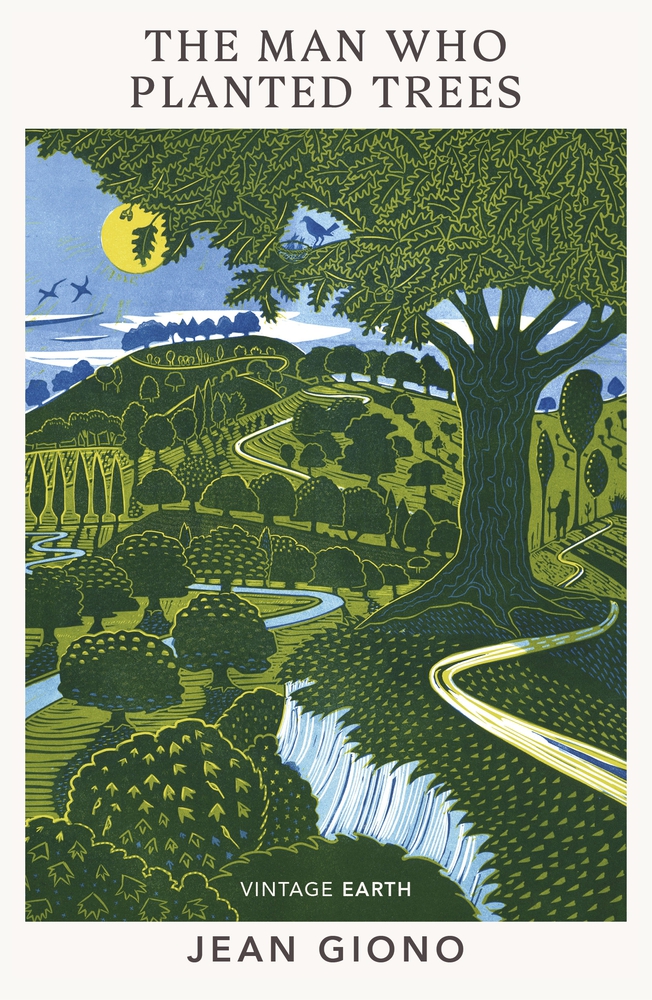
The Man Who Planted Trees by Jean Giono, a short book about a shepherd who transformed the land by planting trees. Not just a few trees, thousands of them over the years. Where once the earth was dry and barren the trees brought water back into the dry stream beds, seeds germinated, meadows blossomed and new villages appeared.
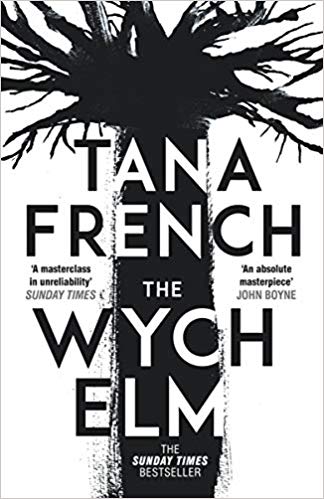
The Wych Elm by Tana French – psychological thriller, as dark family secrets gradually came to light. It isn’t a page-turner and yet it is full of mystery and suspense about a family in crisis. Soon after Toby returns to his family home a human skull is found in the hollow trunk of a wych elm, the biggest tree in the garden.
The last five books are a mixture of fiction and nonfiction on different Nature topics:
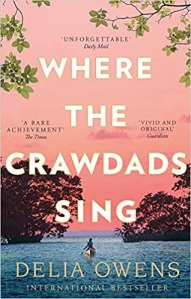
Where the Crawdads Sing by Delia Owen, fiction, set mainly in the marshlands in North Carolina where Kya Clark, the so-called Marsh Girl lives She has survived for years alone in the marsh that she calls home, finding friends in the gulls and lessons in the sand. It is also a murder mystery.
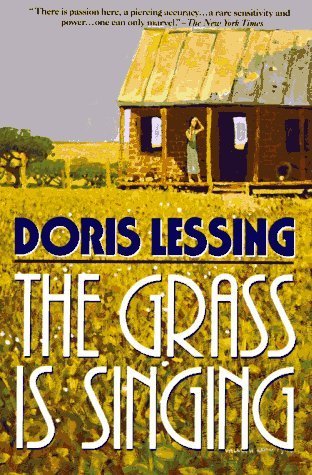
The Grass is Singing by Doris Lessing – a novel set in Southern Rhodesia (now Zimbabwe) in the 1940s, this is a novel about failure and depression, disaster, racism, racial tension and prejudice, colonialism at its worst. It’s beautifully written, but so tragic.
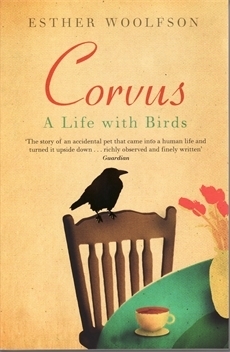
Corvus: A Life With Birds by Esther Woolfson, nonfiction, mainly about the rook, Chicken. Esther Woolfson also writes in detail about natural history, the desirability or otherwise of keeping birds, and a plethora of facts about birds, their physiology, mechanics of flight, bird song and so on.
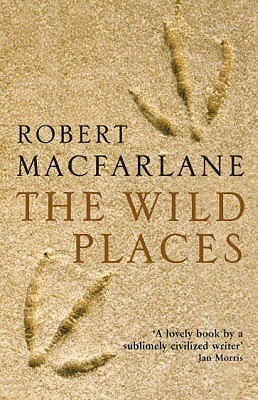
The Wild Places by Robert Macfarlane, a travelogue that will intrigue readers of natural history and adventure in which he explores our changing ideas of the wild. From the cliffs of Cape Wrath, to the holloways of Dorset, the storm-beaches of Norfolk, the saltmarshes and estuaries of Essex, and the moors of Rannoch and the Pennines, his journeys become the conductors of people and cultures, past and present, who have had intense relationships with these places.
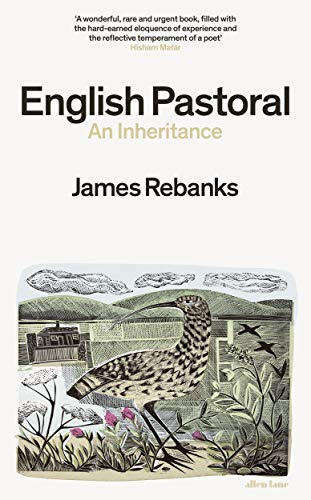
English Pastoral by James Rebanks. This is an absolutely marvellous book. I enjoyed his account of his childhood and his nostalgia at looking back at how his grandfather farmed the land. And I was enlightened about current farming practices and the effects they have on the land, depleting the soil of nutrients. Rebanks also explains what can be done to put things right, how we can achieve a balance of farmed and wild landscapes, by limiting use of some of the technological tools we’ve used over the last 50 years so that methods based on mixed farming and rotation can be re-established. By encouraging more diverse farm habitats, rotational grazing and other practices that mimic natural processes we can transform rural Britain.
 BooksPlease
I focused on trees this week too!
LikeLiked by 1 person
Good choice!
LikeLike
What a lovely selection of books – very rarely for me I want to read all of them!
I’m thinking that every politician in the UK should be made to read The Man Who Planted Trees, then they wouldn’t be so quick to let builders develop greenfield sites and chop down established woodlands.
LikeLiked by 1 person
That’s a good idea but it probably would be a waste of time and money (:
LikeLike
They don’t seem overly endowed with common sense do they?
LikeLiked by 1 person
Far from it!
LikeLike
I really like your choices, Margaret! You’ve got such a variety of (sub)genres, and a solid mix of fiction and non-fiction. Who knew trees were in so many titles…
LikeLiked by 1 person
Thanks, Margot!
LikeLiked by 1 person
I love that the first 5 books are all have trees in them. This also reminded me that I haven’t read a Tana French book in so long!
LikeLiked by 1 person
I always enjoy Tana French’s books.
LikeLike
Corvus sure sounds good.
Here is my Top Ten Tuesday post.
LikeLiked by 1 person
It is, Lydia!
LikeLike
I want to read more non-fiction books about birds, too! (There were several on my list this week.) Corvus looks like a really interesting book.
Here’s my TTT this week: https://bookwyrmknits.com/2024/02/27/top-ten-tuesday-covers-titles-with-things-found-in-nature/
LikeLiked by 1 person
Good list. I loved both The Bean Trees and Where the Crawdads Sing.
LikeLiked by 1 person
While I haven’t read any of these books, there are some wonderful-looking books here.
Pam @ Read! Bake! Create!
https://readbakecreate.com/see-the-forest-for-the-trees-book-covers-featuring-trees/
LikeLiked by 1 person
I almost focused my list on trees as well. There are so many covers out there with trees on them! I love it. Trees are awesome :)
Happy TTT!
Susan
http://www.blogginboutbooks.com
LikeLiked by 1 person
Outside of Where the Crawdads Sing and Bean Trees I haven’t read any of the other titles but I am adding several to my TBR. Thank you.
LikeLiked by 1 person