My Year in Novellas 2026

For the SEVENTH year in a row, Cathy of 746 Books and Rebecca of Bookish Beck are co-hosting Novellas in November as a month-long blogging and social media challenge. A novella technically contains 20,000 to 40,000 words, but to keep things simple they define it as any work under 200 pages.

I’m beginning with looking back at the novellas I have read since the end of last year’s Novellas in November.

  1. The Christmas Clue by Nicola Upson
  2. The Aspern Papers by Henry James
  3. Homeward Bound by Hamza Yassin
  4. The Christmas Guest by by Peter Swanson
  5. The Rose and the Yew Tree by by Mary Westmacott (Agatha Christie)
  6. Quartet in Autumn by Barbara Pym
  7. Brat Farrar by Josephine Tey
  8. The Third Man and The Fallen Idol by Graham Greene
  9. Maigret in Vichy by Georges Simenon
  10. Maigret and the Old People by Georges Simenon
  11. Maigret’s Pickpocket by Georges Simenon

I hope to write more about the ones I haven’t reviewed yet.

These are some I haven’t read yet:
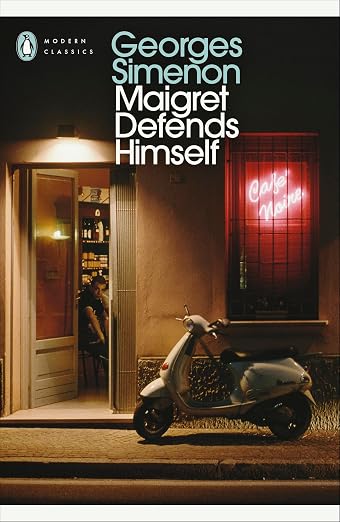
Maigret Defends Himself by Georges Simenon – When suspicion turns on Inspector Maigret for a crime he did not commit, he must use every investigative tool in his arsenal to clear his name.

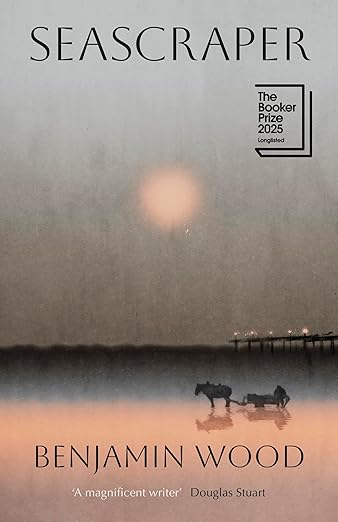
Seascraper by Benjamin Wood – this follows shanker Thomas Flett as his quiet life in a small English coastal town is forever changed over the course of one fateful day.

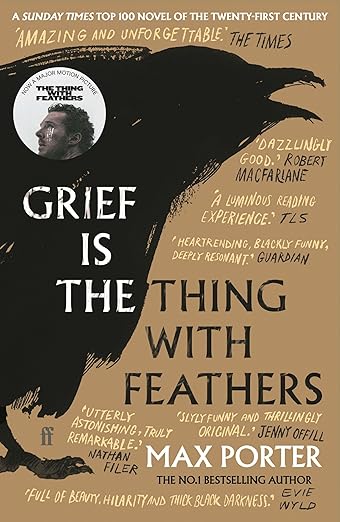
Grief Is the Thing with Feathers by Max Porter – Goodreads tells me this is part novella, part polyphonic fable, part essay on grief, Max Porter’s compassion and bravura style combine to dazzling effect. Full of unexpected humour and profound emotional truth.

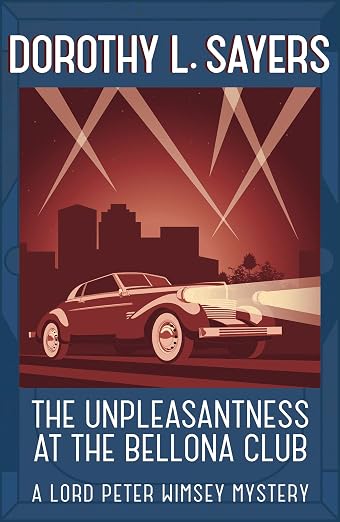
The Unpleasantness at the Bellona Club by Dorothy L. Sayers – the fifth book in the Peter Wimsey series, in which he unravel the mysteries of ninety-year-old General Fentiman’s death.

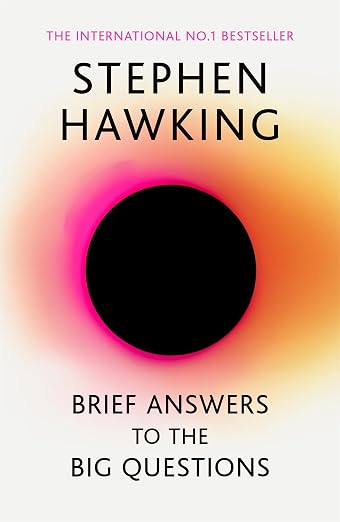
Brief Answers to the Big Questions by Stephen Hawking – his final thoughts on the universe’s biggest questions in this brilliant posthumous work.

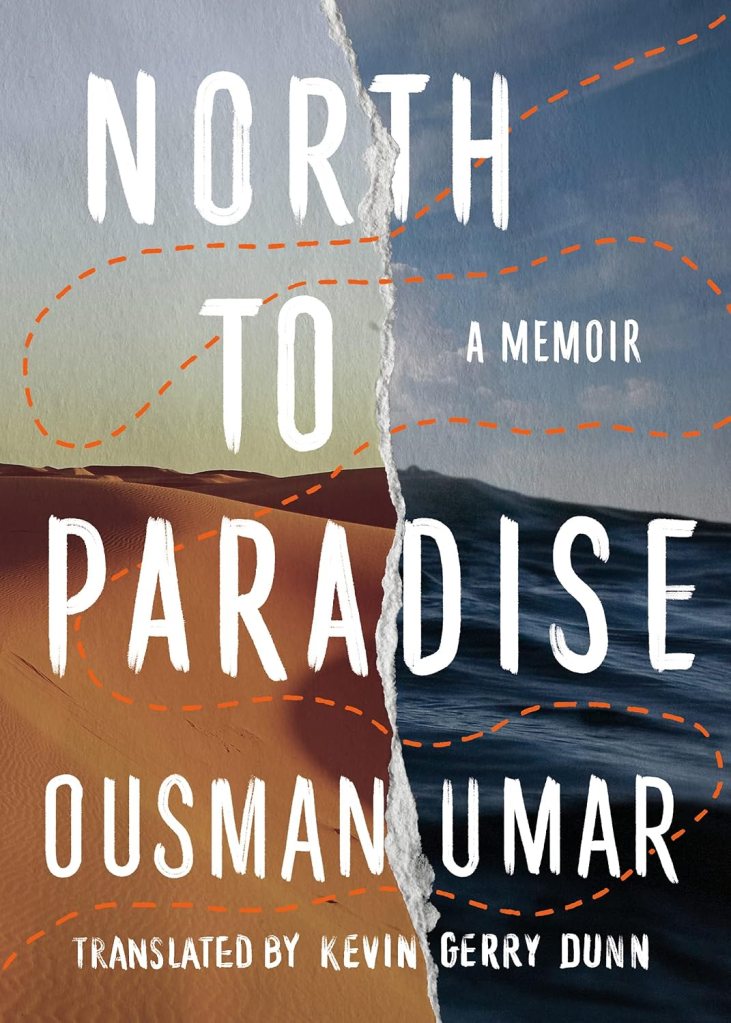
North to Paradise: A Memoir by Ousman Umar – The inspiring true story of one man’s treacherous boyhood journey from a rural village in Ghana to the streets of Barcelona—and the path that led him home.

The Riviera Set by Mary S Lovell

Riviera Set

Little, Brown Book Group|November 2016|448 pages|Library book|3.5 rounded up to 4 on Goodreads*

When I read Cath’s review of The Riviera Set: 1920 – 1960: The Golden Years of Glamour and Excess on her blog Read Warbler I thought it sounded fascinating, so I reserved a copy at the library. I has taken me almost a month to read it, but I did enjoy it.

Mary S Lovell explains in her Introduction that this is ‘less of a biography, more the story of a house and those who peopled it between the years 1930 and 1960.‘ The book begins with Maxine Elliott, telling of her early life  – she was an American, born Jessica Dermot in Rockland, Maine in 1868. She was a most remarkable woman who became an actress, famed for her beauty and her pure speaking voice. She came over to England, had successfully entered the Edwardian social scene in 1899 and after divorcing her husband, actor Nat Goodwin in 1908 she established herself at Hartsbourne, a country house in Hertfordshire. During the First World War she bought a barge and fitted it out as a first-aid clinic and soup kitchen to help with the war relief effort, bringing food and medical supplies to thousands of displaced people in Belgium. Many of the people who socialised at Hartsbourne flocked to visit her there. 

And then in 1930 she commissioned the architect Barry Dierks to build  the Chateau de l’Horizon on the land she had bought on a narrow stretch of rocks with a small promontory between Cannes and Juan-les-Pins. This is the part of the book I enjoyed the most, first of all about Maxine herself, then the description of the construction of the Chateaux and the years that Maxine owned it and lived there. Maxine really came into her own there as a superb hostess.

chateau de l'horizon

Regular visitors included Winston Churchill, Cole Porter, Noel Coward, Somerset Maugham among many others – famous actors and actresses as well as members of the aristocracy and politicians. I was interested in Clementine Churchill’s reaction to the Riviera set – she disapproved of their behaviour and often didn’t accompany him on his visits.  She also disapproved of Winston’s gambling at the Casino. Then there were the Duke and Duchess of Windsor, who lived nearby before the Second World War – the picture painted of them is not flattering – and there was much talk about how to address Wallis and whether the women should curtsy to her. By the time the War approached Maxine had lost her sparkle, suffering from ill health and she died in March 1940.

And after her death nothing was the same – and my interest in the book began to wane. The Chateau was bought by Aly Khan, the Aga Khan’s heir presumptive at the time. There is quite a lot about his time there, his womanising, his marriage to Rita Hayworth and the social scene of the post-war period up to 1960. Nevertheless it is a fascinating and entertaining book about a pampered, luxurious and decadent world.

Reading challenge: Virtual Mount TBR as it is a library book.