Stacking the Shelves: 25 January 2025

It’s Saturday and time for Stacking the Shelves, hosted by Marlene at Reading Reality and the details are on her blog, as well as a huge amount of book reviews. Why not visit her blog if you haven’t already found it? The gorgeous graphic is also used courtesy of the site.

The idea is to share the books you are adding to your shelves, may they be physical or virtual. This means you can include books you buy in physical stores or online, books you borrow from friends or the library, review books, gifts and of course e-books!

These are all e-books I’ve either bought or acquired for free from Amazon since the beginning of this year:

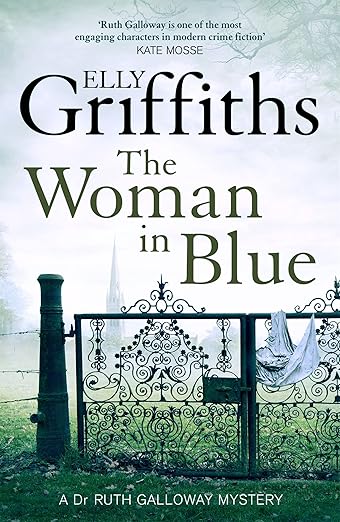
The Woman In Blue: The Dr Ruth Galloway Mysteries 8  by Elly Griffiths. Somehow I missed reading this book when it first came out in 2016, so when I saw it was 99p on Amazon I bought it. It’s book 8 out of 15 in the series. When Ruth’s friend Cathbad* sees a vision of the Virgin Mary, in a white gown and blue cloak, in Walsingham’s graveyard, he takes it in his stride. Walsingham has strong connections to Mary, and Cathbad is a druid after all; visions come with the job. But when the body of a woman in a blue dressing-gown is found dead the next day in a nearby ditch, it is clear that a horrible crime has been committed, and DCI Nelson and his team are called in for what is now a murder investigation.

*I’ve read most of this series. Cathbad is one of my favourite characters.

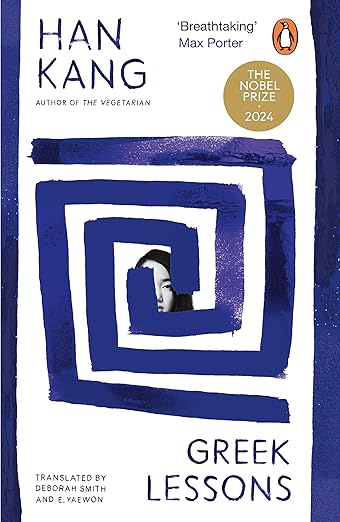
Greek Lessons by Han Kang, the winner of the 2024 Nobel Prize in Literature, a new-to-me author. This is a new translation by Deborah Smith and Emily Yae Won, of the 2011 novel that explores how a teacher losing his sight and a pupil losing her voice form a poetic bond. It is a short book, of just 149 pages narrated by the two unnamed characters, one a woman grieving for her mother and her son, now in the custody of her ex-husband. She is also experiencing the loss of her ability to speak. The other is a man losing his connection to place and family, as well as the loss of his eyesight.  They meet when the woman attends his Ancient Greek lessons.

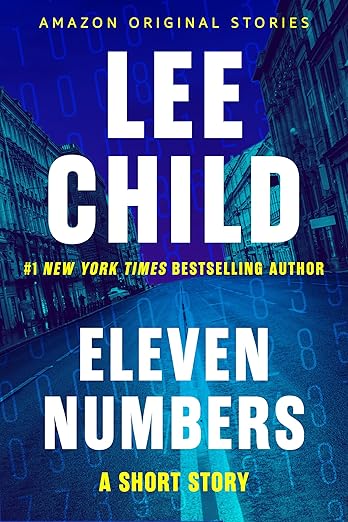
Eleven Numbers, a short story by Lee Child. Nathan Tyler is an unassuming professor at a middling American university with a rather obscure specialty in mathematics—in short, a nobody from nowhere. So why is the White House calling? Summoned to Washington, DC, for a top-secret briefing, Nathan discovers that he’s the key to a massive foreign intelligence breakthrough. Reading between the lines of a cryptic series of equations, he could open a door straight into the heart of the Kremlin and change the global balance of power forever. All he has to do is get to a meeting with the renowned Russian mathematician who created it. But when Nathan crashes headlong into a dangerous new game, the odds against him suddenly look a lot steeper.

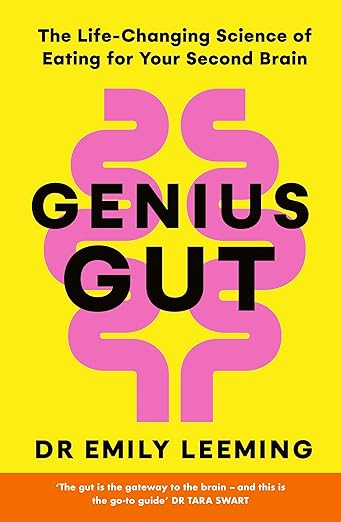
Genius Gut: 10 New Gut-Brain Hacks to Revolutionise Your Energy, Mood, and Brainpower by Emily Leeming. Microbiome scientist and registered dietitian Dr Emily Leeming explains the ground-breaking evidence on the relationship between food and mood, unveiling the powerful gut-brain connection…and exciting new links to your gut bacteria. I downloaded the sample before deciding to buy this book and think it looks very interesting and easy to read for a non-scientist like me. I never thought much about my gut until I had bowel cancer eighteen months ago!

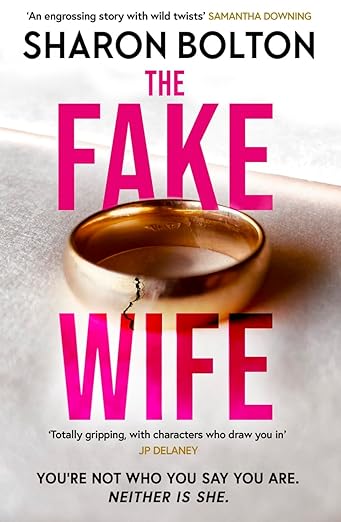
The Fake Wife by Sharon Bolton. I’ve a lot of her books and have enjoyed them all, so this is one I’m really looking forward to reading. It’s described as an absolutely gripping psychological thriller with jaw-dropping twists. Olive Anderson is dining alone at a hotel when a glamourous stranger joins her table, pretending to be her wife. What starts as a thrilling game quickly turns into something dangerous. But as much as the fake wife has her secrets, Olive just might have more . . .

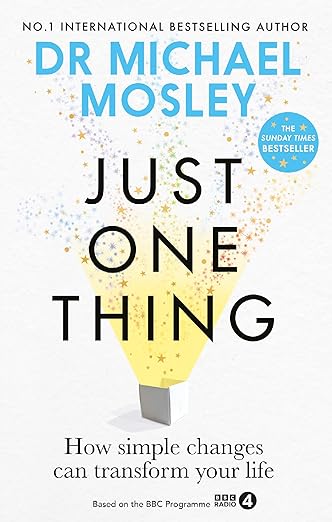
Just One Thing by Michael Mosley

Octopus Publishing Short Books| 22 October 2022|206 pages| E-book review copy| 5*

I was keen to read Just One Thing by Michael Mosley because I’ve enjoyed his TV programmes and I wasn’t disappointed. I think it’s an excellent source of information about improving your health. He picked 30 of his favourite things that you could fit into your life and explains the benefits of each one. He divides the day into periods – morning, mid morning, lunch time, afternoon and evening, giving examples of things to try throughout the day.

I’ve highlighted just a few in this post. S0me of them I already knew about, like doing exercise, doing squats and lunges, drinking water, meditation, spending time outdoors, taking a break to reduce stress, deep breathing, and so on. And I was very pleased to see that reading fiction for 30 minutes a day is a whole brain workout!

Other ideas that were new to me are things like drinking coffee, which lowers the risk of strokes, heart disease, cancer and dementia, and eccentric exercise – which involves walking downhill, down stairs and lowering weights, which have been shown to be more effective than running uphill, up stairs and lifting weights.

I knew about eating an apple a day, but not about the benefits of eating beetroot (which I love) two to three times a week. One thing that really pleased me is finding out that eating two squares of dark chocolate a day instead of eating sweet treats, lowers blood pressure and boosts your brain. In fact most of the ideas improve your mood and sleep, how your brain functions, and reduce anxiety, stress, fatigue and depression and so on. Standing on one leg, for example improves your balance, improves your core strength, and posture which reduces the likelihood of falling and breaking bones. Singing loudly for 5 minutes a day not only boosts your mood, and reduces anxiety, but can also relieve chronic pain.

It’s an inspiring book to read for making small changes, and some not so small changes, to improve your health and well-being. I’ve already started to stand on one leg whilst brushing my teeth and doing squats/lunges whilst waiting for the kettle to boil and will be trying more of the ideas too.

Many thanks to the publishers for a review copy via NetGalley.

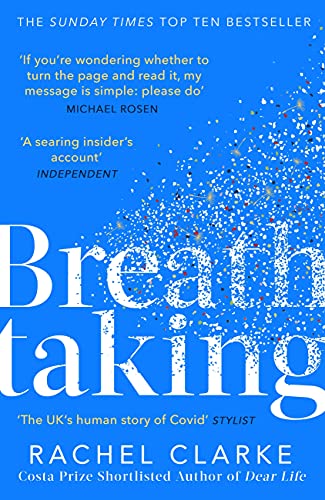
Short Nonfiction: Breathtaking by Rachel Clarke

Little, Brown Book Group| 26 January 2021| 154 pages| 4*

Novellas in November is hosted by Cathy and Rebecca. This week the focus is on short nonfiction.

I’ve watched TV programmes about Covid-19, seeing what it was like in a number of hospitals as the virus took hold in the UK, so a lot of the information in Rachel Clarke’s book, Breathtaking: Inside the NHS in a Time of Pandemic wasn’t new to me. But, I wanted to read this book to get an inside perspective on what it was like working in the NHS during the pandemic.

There have been so many fears that the NHS would be overwhelmed and reports criticising the way the government has dealt with the situation – and this is still the case now as winter approaches and the number of daily confirmed cases of coronavirus is still high, whilst hospital waiting lists for non-Covid-19 treatment remain high. Add to this there are now reports that doctors are saying that casualty departments are on the ‘edge of a precipice’, leading to dangerous levels of handover delays with patients forced to wait in ambulances for up to 11 hours outside hospitals. On TV I’ve seen the enormous queues of ambulances outside hospitals waiting to admit patients!

Rachel Clarke is a palliative care doctor and her book recounts her experiences during the first four months of 2020, when she worked on the Covid-19 wards in the Oxford University Hospitals system. Taken from her diary that she kept at the time it has an immediacy as she records her insomnia, her fears for her family and also the tremendous resilience, courage and empathy that she and the rest of the hospital staff had.

She tells the now familiar story about the PPE shortages, the lack of funding they experienced and criticises the government for their failure to act quickly enough – which I echo. Although it is a grim account, as I expected, it is also uplifting to know the care they took of their patients and the attentiveness to their patients’ needs despite the fact that many of the staff were not trained in intensive care and had never dealt with anything like this before.The way they had to prioritise patients is shocking, but I suppose inevitable given the lack of resources and staff.

She found that being a pandemic doctor was revelatory:

The crisis has undeniably revealed sweeping truths about social and economic inequalities, class divisions, global interconnectedness and the fact that our society’s most vital key workers were, and remain, among the lowest paid and the least empowered. Historians will dissect the issues for years to come. My revelations were about people. I learned from ward to ward, from bedside to bedside, paying meticulous attention to one human being and then another. I discovered how to distinguish what we absolutely cannot do without from what is really in the end, superfluous. (page 18)

This book is a snapshot, written at the time:

It depicts life and death, hope, fear, medicine at its most impotent and also at its finest, the courage of patients in enormous adversity, the stress of being torn between helping those patients and endangering your spouse and children, the long, fretful nights ruminating over whether the PPE you wear fits the science or the size of the government stockpile. I needed, I think, to take a stand with my pen and simply say: I was there. I have seen it, from the inside. I know what it was like. Here, with all its flaws and its inherent subjectivity, is my testimony. Make of it what you will. (pages 18-19)

Breathtaking records the compassion and kindness of numerous people, and pays tribute to both NHS staff and volunteers in dealing with such a distressing and immensely horrific situation.

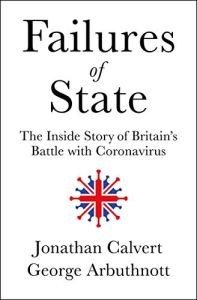
Failures of State by Jonathan Calvert and George Arbuthnott

The inside story of the UK’s response to the pandemic from the Insight investigations unit at The Sunday Times

Mudlark, Harper Collins| 18 March 2021| 422 pages| My own copy| 4*

I don’t read a lot of nonfiction, but this year I have been reading more than usual. This book caught my eye in August and although I’ve watched countless TV programmes and interviews and read numerous articles about the coronavirus pandemic I just had to read it.

Blurb:

Failures of State: The Inside Story of Britain’s Battle with Coronavirus recounts the extraordinary political decisions taken at the heart of Boris Johnson’s government during the global pandemic.

Meticulously researched and corroborated by hundreds of inside sources, politicians, emergency planners, scientists, doctors, paramedics and bereaved families, along with leaked data and documents, this is the insider’s account of how the government sleepwalked into disaster and tried to cover up its role in the tragedy – and it exposes one of the most scandalous failures of political leadership in British history.

In the eye of the storm was Boris Johnson, a Prime Minister who idolised Winston Churchill and had the chance to become a hero of his own making as the crisis engulfed the nation. Instead he was fixated on Brexit, his own political destiny and a myriad of personal issues, all while presiding over the UK government’s botched response to the global coronavirus pandemic. After missing key Cobra meetings, embracing and abandoning herd immunity and dithering over lockdown, Johnson left the NHS facing an unmanageable deluge of patients. His inaction resulted in the deaths of many thousands of British people and his own hospitalisation at the hands of the pandemic, yet further reckless decisions allowed a deadly second wave to sweep across the country in the autumn months with the economy on the brink of collapse.

With access to key figures at the top of government during the most tumultuous year of modern British history, Failures of State is an exhaustive and thrillingly told story – and one of the most essential pieces of investigative reporting for a generation.

My thoughts:

The book covers the period from 24 January 2020 – 23 January 2021, with a Prologue covering the period from 24 April 2012 – 23 January 2020. Since it was written time has moved on and further information has become available, but this book is a reminder of how it started and described what subsequently happened. So, much of it was what I already knew, especially about the steps that were taken in the UK to cope with the situation.

In considering the two phrases ‘we were following the science’ and ‘we have taken the right steps at the right time’ they ask was this in fact what happened? They used many sources as described in the blurb and their research gave them the answer ‘no’.

In particular, they question why the government failed to act more swiftly, what the scientists told ministers, whether Britain was equipped to fight a pandemic and what were the consequences. I’m a cautious person and I remember being anxious that not enough was being done at the time and thought that we should have locked down earlier than we did. Reading this book makes me think that I wasn’t being over-cautious. I am also a bit cynical about what I read in the papers and what I hear and see being reported, so I viewed this book with caution too. Many of the sources are named in the book, but many are not.

I am appalled at what this book reveals. I am appalled by the corruption, outright lies, obfuscations, misinformation and incompetence they report – worse than I had thought at the time.

But most of all I am utterly appalled by what is revealed about the NHS and the restrictions that were imposed on reporting what was taking place in hospitals. The NHS had limited capacity to deal with the pandemic and the public were not made aware of the selection process that was used in deciding who could be given intensive care. If it had been reported there would have been widespread panic, terror and outrage. It is appalling that so many people were not given intensive care, and that so many had died who could otherwise have survived.

It is a shocking account of a terrible year – words fail me.

Library Loot

It’s been a while since I wrote a post about my library books. I’m lucky as the mobile library van visits here once a fortnight, stopping nearly outside our house. So, I regularly borrow books both from the van and from the branch library. These are my recent library loans.

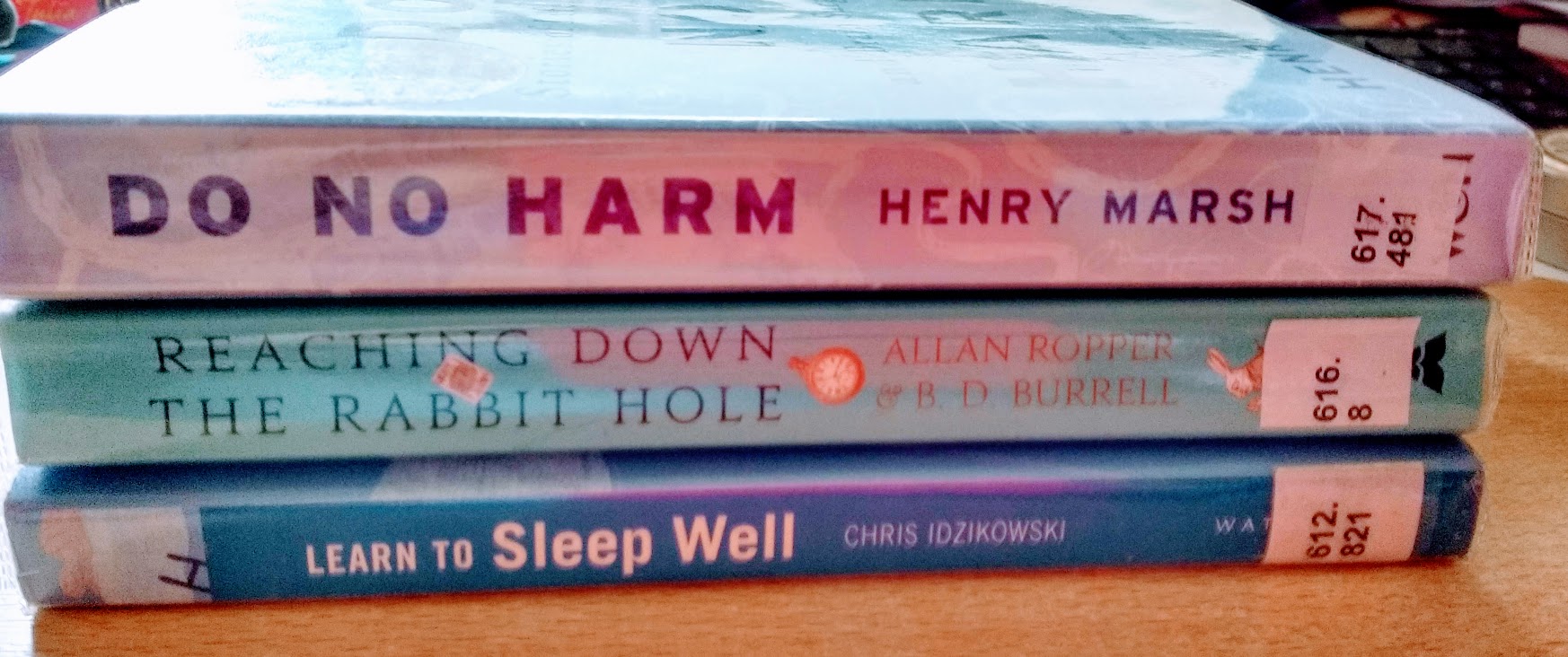
First three non fiction books:

Non Fic Lib Bks May 2018

  • Do No Harm by Henry Marsh one of the UK’s foremost neurosurgeons. I first read about this book on BookerTalk’s blog. She wrote: In Do No Harm he offers insight into the joy and despair of a career dedicated to one of the most complex systems in the body. This is a candid account of how it feels to drill into someone’s skull, navigate through a myriad of nerves that control memory, reason, speech and imagination and suck out abnormal growths. I thought it looks interesting, so I reserved the book to read it for myself.
  • And then I saw Reaching Down the Rabbit Hole by Allan H Ropper and B D Burrell sitting on the shelves. I admit that I was drawn to this book by its title on the spine, not realising until I took it off the shelf that this is also a book by a neurosurgeon, Dr Ropper, an American professor at Harvard Medical School. This is a glimpse into the ways our brains can go wrong, how a damaged brain can radically alter our lives.
  • Learn to Sleep Well by Chris Idzikowski. After reading Why We Sleep by Matthew Walker I thought it would be a good idea to read a book about getting better sleep as I don’t get the average of eight hours of sleep Professor Walker recommends. It’s sub-titled ‘get to sleep and stay asleep overcome sleep problems revitalize body and mind.’

And now the fiction:

Fic Lib Bks May 2018

  • A Perfectly Good Man by Patrick Gale. It is set in Cornwall, about a parish priest Barnaby Johnson. Earlier this year I read Gale’s Notes from an Exhibition and found although this book is not a sequel it has some of the same characters and I want to know more about them.
  • Deadline by Barbara Nadel. I haven’t read any of her other books – this is an Inspector Ikmen Mystery set in Istanbul. I liked the blurb on the back cover – Ikmen is invited to a murder mystery evening at Istanbul’s famous Pera Palas Hotel where he finds himself embroiled in a deadly game of life imitating art. Halfway through the evening, one of the actors is found dead in the room where Agatha Christie used to stay when she was in Istanbul.
  • Sisters by Patricia MacDonald, another new-to-me author, (one of the reasons I like to borrow books is to check out new-to-me authors). This is described on the back cover as a ‘fast-paced novel of psychological suspense‘. Alex Woods is shocked to find out after her parents’ death that she has a sister that her mother had kept a secret from her. She decides to search for her.
  • How Green Was My Valley by Richard Llewellyn. I’d reserved this one, a book I’ve been thinking of reading for a while. It’s a story of life in a mining community in rural South Wales as Huw Morgan is preparing to leave the valley where he had grown up. He tells of life before the First World War.
  • Rubbernecker by Belinda Bauer – see my Friday post for details of the novel and the opening sentences.  I’ve already started reading it. It’s about  Patrick Fort, a medical student with Asperger’s Syndrome, studying anatomy and trying to identify the cause of death of a body he is dissecting. I borrowed this book as I loved her first book, Blacklands.


Why We Sleep by Matthew Walker

Penguin Books|4 January 2018|368 p|e-book |Review copy|4*

I have read several books and watched TV programmes on sleeping, but Why We Sleep: the New Science of Sleep and Dreams is one of the most in depth and thorough books on the subject that I’ve come across. It is fascinating and disturbing in equal measures.

It emphasises how important sleep is to our health. Eight hours sleep each night will improve your immune system, help prevent infection, regulate your appetite, lower blood pressure, maintain your heart in fine condition, improve your ability to learn, memorise and make logical decisions.

But be warned if you don’t get eight hours sleep you run the risk of doubling your risk of cancer, of increasing your risk of developing Alzheimer’s disease, diabetes, cardiovascular disease, strokes, and heart attacks, and insufficient sleep contributes to all major psychiatric conditions, including depression, anxiety and suicidal tendencies. It is a terrifying scenario as every major disease in the developed world has very strong causal links to deficient sleep.

Matthew Walker is professor of neuroscience and psychology at the University of California, Berkeley, where he is director of the Center for Human Sleep Science. He goes into great detail examining every aspect of the subject looking at what sleep is, how we sleep, as well as why we should sleep and the external factors that cause poor sleep. There are sections on sleep deprivation, sleeping pills, insomnia and other sleep disorders and on dreams – creativity and dream control. He also considers the sleep requirements of babies, children, teenagers and the elderly.

There are a number of things I highlighted as I read the book, including:

  • sleep is the foundation of good health
  • every major system, tissue and organ of your body suffers if your sleep is short
  • the shorter your sleep, the shorter your life
  • the less you sleep you’re more likely to put on weight
  • sleeping six hours or less increases your risk of developing cancer by 40%
  • routinely sleeping less than six or seven hours a night demolishes your immune system, more than doubling your risk of cancer

He cites the World Health Organization’s and the National Sleep Foundation’s stipulation of an average of eight hours of sleep for adults. So, what can you do to improve your sleep if you don’t get eight hours? I really want to know. Walker refers to behavioural methods for improving sleep, such as cognitive behavioural therapy intended to break bad sleep habits, obvious methods such as reducing caffeine and alcohol intake, removing LED devices from the bedroom and having a cool bedroom. Other things to establish – having a regular bedtime, only going to bed when sleepy, avoid sleeping in the early/mid evenings and daytime napping etc, etc – nothing I haven’t come across before.

Why We Sleep is full of fascinating facts, but at times it is repetitive with lots of detail about sleep experiments that made me worried about the effects on those people who undertook them. Matthew Walker is most certainly on a mission to educate people about the importance of sleep, even if there is nothing new he has to offer about how to improve sleep times.