My Classics Club Spin book is The Return of the Native by Thomas Hardy. The closing date to read it is today, but I’ve still got 25% left to read. I am loving this book and will write more about it after I’ve finished reading it.

My Classics Club Spin book is The Return of the Native by Thomas Hardy. The closing date to read it is today, but I’ve still got 25% left to read. I am loving this book and will write more about it after I’ve finished reading it.

The spin number in The Classics Club Spin was announced yesterday. It’s number … 6
which for me is The Return of the Native by Thomas Hardy. The rules of the Spin are that this is the book for me to read by 1 June, 2020.

I’m delighted with this as I’ve been meaning to read it for years and never got round to it.
‘To be loved to madness – such was her great desire’
Eustacia Vye criss-crosses the wild Egdon Heath, eager to experience life to the full in her quest for ‘music, poetry, passion, war’. She marries Clym Yeobright, native of the heath, but his idealism frustrates her romantic ambitions and her discontent draws others into a tangled web of deceit and unhappiness.
Early readers responded to Hardy’s ‘insatiably observant’ descriptions of the heath, a setting that for D. H. Lawrence provided the ‘real stuff of tragedy’. For modern readers, the tension between the mythic setting of the heath and the modernity of the characters challenges our freedom to shape the world as we wish; like Eustacia, we may not always be able to live our dreams. (Amazon)
Did you take part in the Classics Spin? What will you be reading?

It’s time for another Classics Club Spin. I was wondering if one was due, so I’m pleased to find it is, especially as I haven’t made much progress with reading any off my list recently.
Have you read any of these and loved them? Any that you didn’t enjoy?
The spin number in The Classics Club Spin was announced yesterday. It’s number … 13
which for me is Oliver Twist by Charles Dickens. The rules of the Spin are that this is the book for me to read by January 31, 2020.
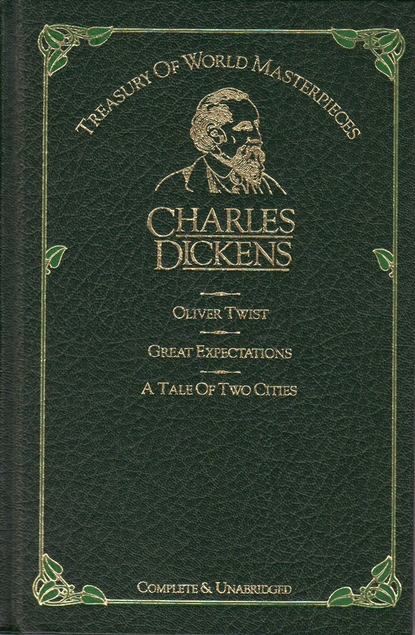
I’m delighted with this as I’ve been meaning to read it for years and never got round to it.
The story of the orphan Oliver, who runs away from the workhouse to be taken in by a den of thieves, shocked readers with its depiction of a dark criminal underworld peopled by vivid and memorable characters – the arch-villain Fagin, the artful Dodger, the menacing Bill Sikes and the prostitute Nancy. Combining elements of Gothic romance, the Newgate novel and popular melodrama, Oliver Twist created an entirely new kind of fiction, scathing in its indictment of a cruel society and pervaded by an unforgettable sense of threat and mystery.
Did you take part in the Classics Spin? What will you be reading?
This is my last post until after Christmas, so I’m wishing you all a very …

It’s time for another Classics Club Spin. Before next Sunday 22nd December 2019 compile a Spin List of twenty books that remain ‘to be read’ on your Classics Club list.
On that day the Classics Club will randomly pick a number and that will be the book to read. You then have until the 31st January 2020 to finish your book and review it.
I have only 10 unread books left on my list so, I’ve repeated the list to make the numbers up to 20.
There are several long books on my list, but for the beginning of next year I think I’d prefer one of the shorter books. What do you think?
The spin number in The Classics Club Spin was announced yesterday. It’s number …

which for me is Mary Barton by Elizabeth Gaskell. The rules of the Spin are that this is the book for me to read by October 31, 2019.
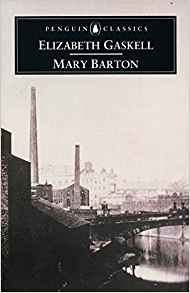
I’ve read some of Elizabeth Gaskell’s books and enjoyed them. This is her first book, set in Manchester between 1839 and 1842.
Here’s the blurb from Amazon:
Mary Barton, the daughter of disillusioned trade unionist, rejects her working-class lover Jem Wilson in the hope of marrying Henry Carson, the mill owner’s son, and making a better life for herself and her father. But when Henry is shot down in the street and Jem becomes the main suspect, Mary finds herself painfully torn between the two men. Through Mary’s dilemma, and the moving portrayal of her father, the embittered and courageous Chartist agitator John Barton, Mary Barton powerfully dramatizes the class divides of the ‘hungry forties’ as personal tragedy. In its social and political setting, it looks towards Elizabeth Gaskell’s great novels of the industrial revolution, in particular North and South.
Did you take part in the Classics Spin? What will you be reading?

