Week 2 (11/6-11/10) Choosing Nonfiction: What are you looking for when you pick up a nonfiction book? Do you have a particular topic you’re attracted to? Do you have a particular writing style that works best? When you look at a nonfiction book, does the title or cover influence you? If so, share a title or cover which you find striking. (Frances at Volatile Rune)
I missed week two as I ran out of time. So these are just a few thoughts about choosing nonfiction.I like to read nonfiction to learn more about a topic that interests me. I’ve always loved anything historical and also autobiographies/biographies/memoirs. And these days I’ve become more interested in politics and world affairs, wanting to know more about the history leading up to the terrible times we’re living in. Other subjects I read are health/nutrition etc, nature, travel, painting and art history.
As for writing style, it has to be readable, narrative nonfiction really, written clearly without the use of jargon or with too much technical specialist knowledge needed. And book covers don’t really influence me that much – if I want to know about the subject anyway I’ll read the book.
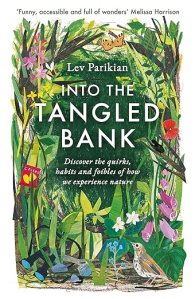
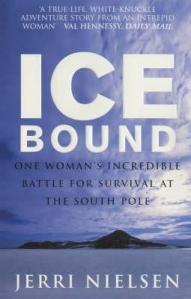
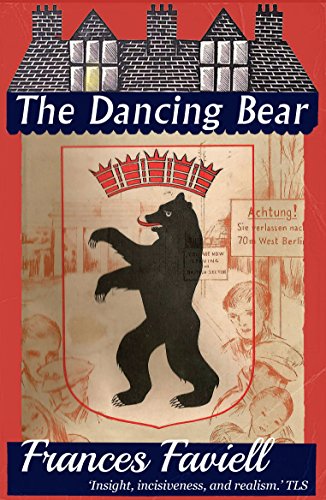
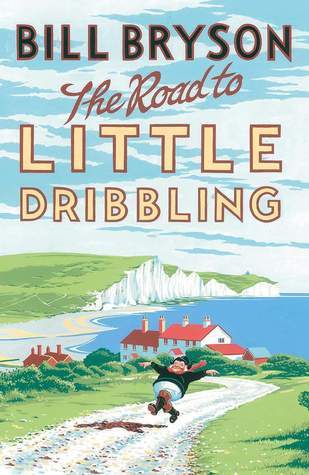
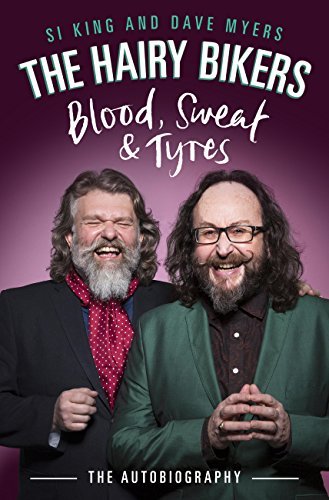
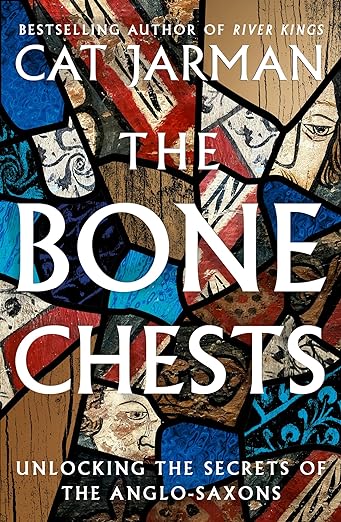
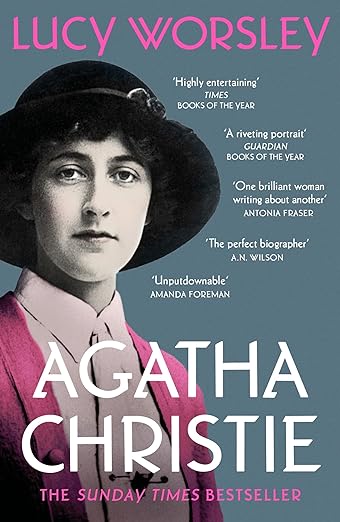
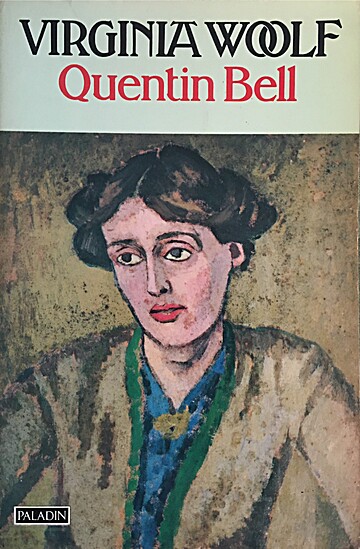
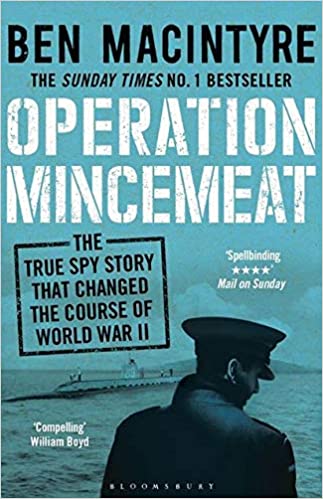
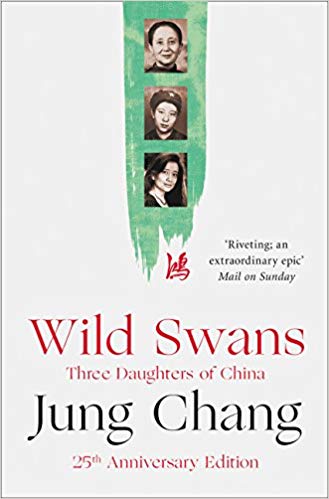
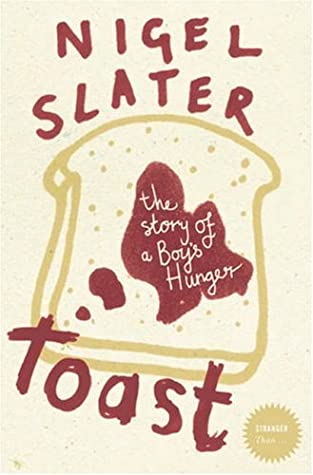
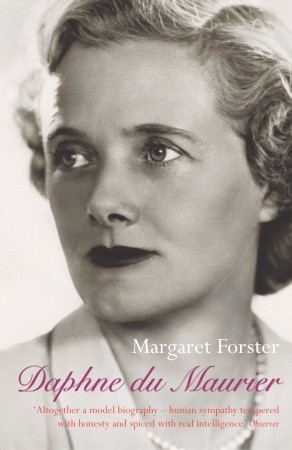
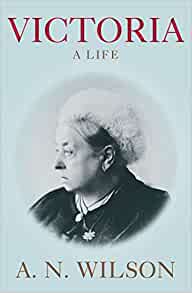
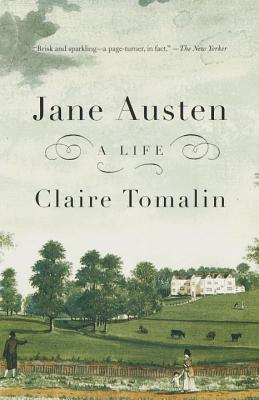
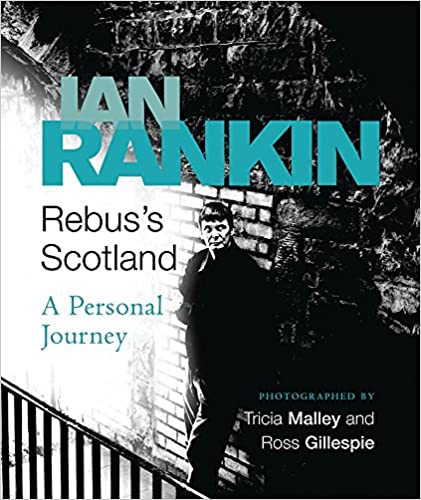
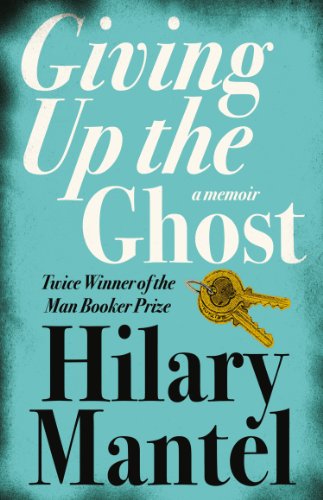
However, here are two I do like:

Week 3 (11/13-11/17) Book Pairings: This week, pair up a nonfiction book with a fiction title. Maybe it’s a historical novel and the real history in a nonfiction version, or a memoir and a novel, or a fiction book you’ve read and you would like recommendations for background reading. You can be as creative as you like! (Liz)
Earlier this year I read The Dancing Bear by Frances Faviell and I’m pairing it with The New Mrs Clifton by Elizabeth Buchan, historical fiction I read a few years ago. Both books are about life for ordinary people in the aftermath of World War 2.
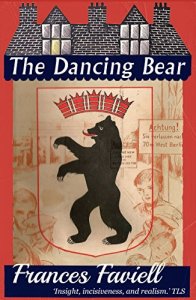
The Dancing Bear set mainly in Berlin, covers the years from Autumn 1946 to Autumn 1949, with an Epilogue dated Autumn 1953. Frances Faviell (1905-1959) was the pen name of Olivia Faviell Lucas, painter and author. After the war, in 1946, she went with her young son, John, to Berlin where Richard Parker, her second husband, had been posted as a senior civil servant in the post-war British Administration. Berlin had been divided into four sectors by the Allies – Britain, the United States, France and the Soviet Union – and Frances is horrified by the conditions she found. There were deaths from hunger and cold as the winter approached and queues for bread, milk, cigarettes, cinemas, buses and trams.
It was here that she befriended the Altmann family. They lived on the ground floor of a large ruined house – the upper storeys had disappeared and just the twisted iron girders remained, sticking up grotesquely against the sky. The ground floor looked very shaky and the windows were covered in cardboard and the door had been repaired from odd pieces of wood. It was freezing cold, and although they had a stove they had no fuel to light it and because electricity was rationed they had to use candles. There were two bedrooms, a small kitchen, a sitting room and a bathroom. With the help of her driver, Stampie, she does what she can to help them.
It’s a moving memoir and I was fascinated by it all – the people, their situations, and their morale and attitudes as well as the condition of Berlin in the aftermath of World War Two. The realities of living under occupation are clearly shown, as well as the will to survive despite all the devastation and deprivation.
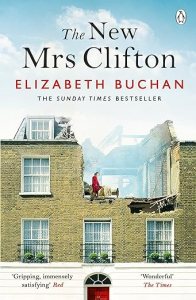
The New Mrs Clifton by Elizabeth Buchan. This begins in 1974 with the discovery of a skeleton, the remains of a woman, between twenty-five and thirty, buried beneath a tree in the garden of a house in Clapham, facing the Common. Her identity and why and how she was killed is not revealed until very nearly the end of the book and all the time I was reading I was wondering who the killer was and which woman had been murdered.
It then moves back in time to 1945 when Intelligence Officer Gus Clifton returns to London with Krista, the German wife he married secretly in Berlin. Krista is clearly devastated by her experiences at the hands of the British and their allies – all but broken by horrors she cannot share. For his sisters, Julia and Tilly, this broken woman is nothing more than the enemy. For Nella, who was Gus’s loyal fiancée, it is a terrible betrayal. Elizabeth Buchan paints a convincing and moving picture of life in both London and Berlin post-war, highlighting the devastation of the bombing, rationing and queuing, showing how people have to come to terms with the changes in their lives in both countries.
~~~
The main difference between these books is that The Dancing Bear is about real people, written soon after the end of the end of the war, whereas The New Mrs Clifton is about fictional characters set in the that historical period. I enjoyed and learned a lot from both of them.
~~~
I’ve enjoyed comparing these books – which books would you choose to compare?





 BooksPlease