The Classics Club Spin Result

The spin number in The Classics Club Spin is number …

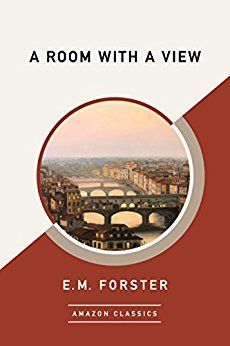
which for me is A Room with a View by E M Forster. The rules of the Spin are that this is the book for me to read by 30th April, 2022.

This has been on my Classics Club List for ages, so it’s time I read it – I think I saw the film years ago.

Set in freewheeling Florence, Italy, and sober Surrey, England, E. M. Forster’s beloved third novel follows young Lucy Honeychurch’s journey to self-discovery at a transitional moment in British society. As Lucy is exposed to opportunities previously not afforded to women, her mind – and heart – must open. Before long, she’s in love with an “unsuitable” man and is faced with an impossible choice: follow her heart or be pressured into propriety.

A challenge to persistent Victorian ideals as well as a moving love story, A Room with a View has been celebrated for both its prescient view of women’s independence and its reminder to live an honest, authentic life. (Goodreads)

Did you take part in the Classics Spin? What will you be reading?

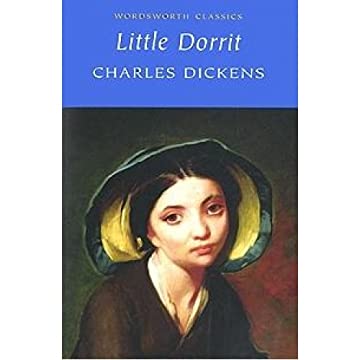
Little Dorrit by Charles Dickens

I read the Wordsworth Classic edition of Little Dorrit with Illustrations by Hablot K. Browne (Phiz) and an Introduction and Notes by Peter Preston, University of Nottingham. As always, I read the Introduction after I’d read the novel. I finished reading it in June and started writing this review. But it is only today that I realised I hadn’t finished it, so, this post is not as detailed as I would like it to be.

Summary from the back cover:

Little Dorrit is a classic tale of imprisonment, both literal and metaphorical, while Dickens’ working title for the novel, Nobody’s Fault, highlights its concern with personal responsibility in private and public life. Dickens’ childhood experiences inform the vivid scenes in Marshalsea debtor’s prison, while his adult perceptions of governmental failures shape his satirical picture of the Circumlocution Office. The novel’s range of characters – the honest, the crooked, the selfish and the self-denying – offers a portrait of society about whose values Dickens had profound doubts.

Little Dorrit, Charles Dickens’ eleventh book, was published serially from 1855 to 1857 and in book form in 1857. The novel attacks the injustices of the contemporary English legal system, particularly the institution of debtors’ prison. I found it hard going in parts, ponderous, sombre and serious. But as it’s a long book other parts are more lively, comic and far more enjoyable. That said it is also long-winded, far too wordy, melodramatic with a multitude of characters and a long-drawn out and convoluted plot. It is a great sprawling epic of a novel.

It is satire and Dickens spares no one, but it is those sections that hold up the flow of the novel. I found the first rant at the corruption and workings of the government Circumlocution Office, explaining that its purpose is ‘How Not to Get Things Done’, entertaining at first, but eventually repetitive and increasingly incredible. The account of the Barnacle family going round and round in circles, producing nothing but red tape, became excruciatingly boring.

I can’t say that I particularly liked any of the characters, and some of them are merely caricatures. rather than characters. Little Dorrit is so meek and self-effacing and far too good for her own good. Her father, known as the Father of the Marshalsea, is a most annoying character. He is the prison’s longest inhabitant, the longest debtor, the one to whom the other prisoners pay homage which makes him pompous and full of his self-importance. So much so that he fails to realise he is exploiting Little Dorrit.

But it is Dickens’ description of life in the Marshalsea, a debtors’ prison, that fascinated me, based on Dickens own father’s imprisonment there. The families could live with the debtors and were free to come and go, until the prison gates were locked at night. It was a separate society that worked on a system of hierarchy, run by the prisoners who had access to a pub, The Snuggery, and a shop, for those who had money. But it carried a terrible stigma of shame and corrupted them all – even Little Dorrit lied to herself about her father’s true situation. Once you were imprisoned there was practically no way you could be freed, unless your debts were paid and that was impossible when you couldn’t earn any money.

There are so many characters and so many sub-plots that I’m not going to attempt to write about them, other than to say at times I was amused and bemused, caught up in the stories, and dismayed at its length and complexity. Although I’ve been critical of some of the novel in this post and I think it could be my least favourite of all of Dickens’ books that I’ve read, overall I did enjoy it enough to give it 3.5 stars on Goodreads.

The Classics Club Spin Result

The spin number in The Classics Club Spin is number …

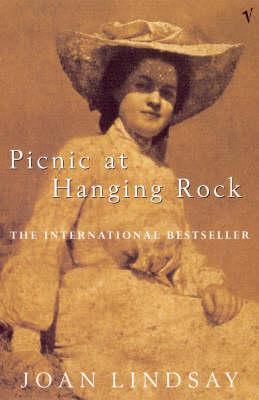
which for me is Picnic at Hanging Rock by Joan Lindsay. The rules of the Spin are that this is the book for me to read by 12 December, 2021.

I am delighted as this just the book I wanted to read next! It was one of my 20 books of Summer, but I didn’t get round to reading it then.

It was a cloudless summer day in the year nineteen hundred.

Everyone at Appleyard College for Young Ladies agreed it was just right for a picnic at Hanging Rock. After lunch, a group of three of the girls climbed into the blaze of the afternoon sun, pressing on through the scrub into the shadows of Hanging Rock. Further, higher, till at last they disappeared.

They never returned.

Whether Picnic at Hanging Rock is fact or fiction the reader must decide for themselves. (Goodreads)
Did you take part in the Classics Spin? What will you be reading?

The 1976 Club

It’s time for the 1976 Club, the bi-annual event where Simon and Karen ask readers across the internet to join together to build up a picture of a particular year in books. Any book published in 1976 counts – in whatever format, language, place.
I’ve previously read and reviewed read just three books published in 1976:

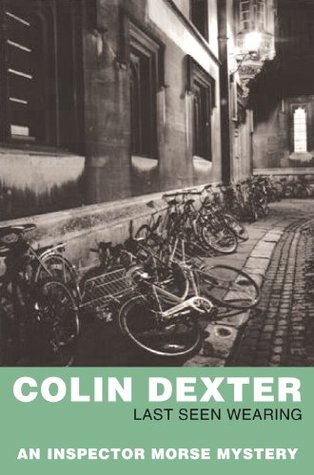
  • Last Seen Wearing by Colin Dexter, the second book in the Inspector Morse books. Inspector Morse is perplexed when a letter of reassurance arrives from young Valerie Taylor, missing for more than two years and presumed dead, in a case that takes a bizarre turn when a mysterious body turns up.
  • Sleeping Murder by Agatha Christie, Miss Marple’s last case, published posthumously in 1976, although Agatha Christie had written it during the Second World War. Miss Marple investigates a murder that had happened 18 years ago.
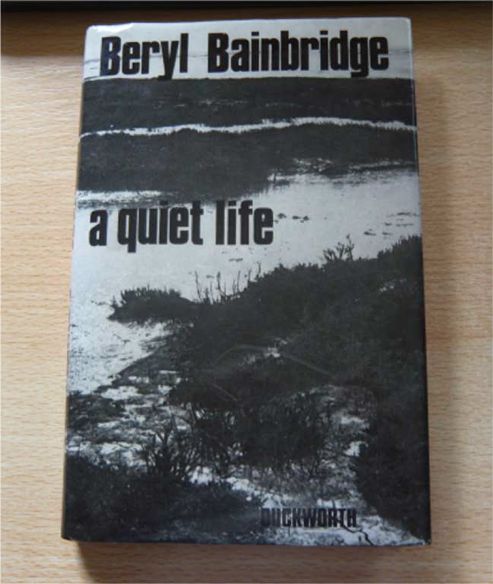
  • A Quiet Life by Beryl Bainbridge, a semi-autobiographical novel, using her own childhood and background as source material. In an interview she said that her creative urge was fuelled by what happened to her and from the age of 9 or 10 she had started to write about her parents and her background. She described herself as a child as an ‘awkward little devil‘.

I have two other books published in 1976 to read in my TBRs:

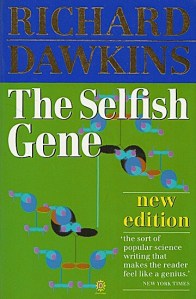
The Selfish Gene by Richard Dawkins, described as ‘a classic exposition of evolutionary thought’. I did start to read this book years ago when I first bought it, but I never finished it. The link is to the 40th anniversary edition that includes a new epilogue from the author discussing the continuing relevance of these ideas in evolutionary biology today.

I’d still like to read it, but not right now. Although it is described on the front cover as ‘the sort of popular science writing that makes the reader fell like a genius’ I have a feeling I won’t feel like a genius and it will take me quite some time to read it, especially it is printed in a small font.

The other book is In the Frame by Dick Francis, a murder mystery. Charles Todd—a renowned painter of horses—is shocked when he turns up at his cousin Donald’s house for a weekend visit to find his cousin’s young wife dead on the floor—and Donald the police’s prime suspect. Determined to prove Donald’s innocence, Todd trails a set of clues from England to Australia to New Zealand, only to realize that someone is trailing him. Someone with every intention of taking him out of the picture for good… (Goodreads)

My problem with reading this book this week is that I can’t find my copy!!!

The Classics Club Spin Result

The spin number in The Classics Club Spin is number …

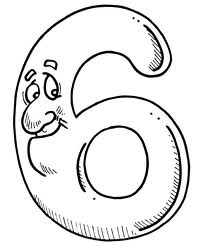
6

which for me is Framley Parsonage by Anthony Trollope. The rules of the Spin are that this is the book for me to read by 22 August, 2021.

This book has been on my Classics Club list for a long time. It’s the fourth novel in the Chronicles of Barsetshire series, first published in 1860. I’ve read the earlier books, so I’m looking forward to reading this one.

Mark Robarts is a clergyman with ambitions beyond his small country parish of Framley. In a naive attempt to mix in influential circles, he agrees to guarantee a bill for a large sum of money for the disreputable local Member of Parliament, while being helped in his career in the Church by the same hand. But the unscrupulous politician reneges on his financial obligations, and Mark must face the consequences this debt may bring to his family.

(Description from Amazon)

Did you take part in the Classics Spin? What will you be reading?

Six in Six: 2021

I’m pleased to see that Jo at The Book Jotter  is running this meme again this year to summarise six months of reading, sorting the books into six categories – you can choose from the ones Jo suggests or come up with your own. I think it’s a good way at looking back over the last six months’ reading.

This year, just like last year, I haven’t been reading as much as in previous years and up to the end of June the total was standing at 38 books. Several books could fit into the same categories, so to avoid duplication, for my last category I’ve chosen Jo’s category of ‘Six authors I read last year – but not so far this year‘ and added the books by those authors that I want to read.

Here are my six categories (with links to my reviews, except for the categories of Six Books I’ve Not Reviewed and Six Authors I Read Last Year, which I’ve linked to Goodreads):

Six Crime Fiction

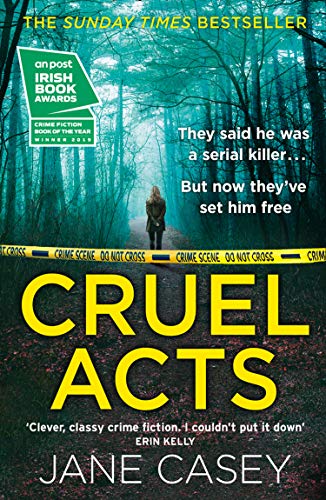
  1. Cruel Acts by Jane Casey
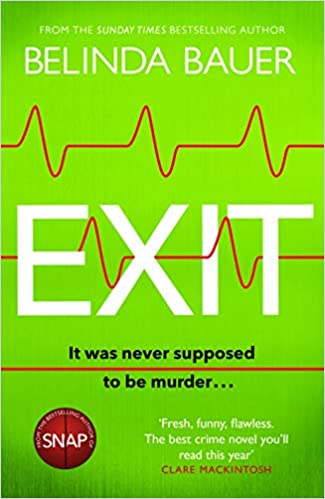
  2. Exit by Belinda Bauer
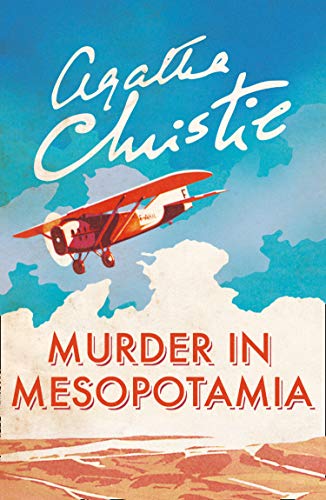
  3. Murder in Mesopotamia by Agatha Christie
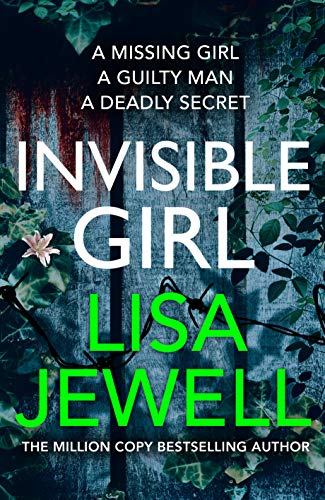
  4. Invisible Girl by Lisa Jewell
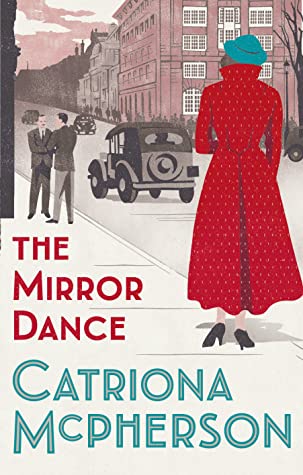
  5. The Mirror Dance by Catriona McPherson
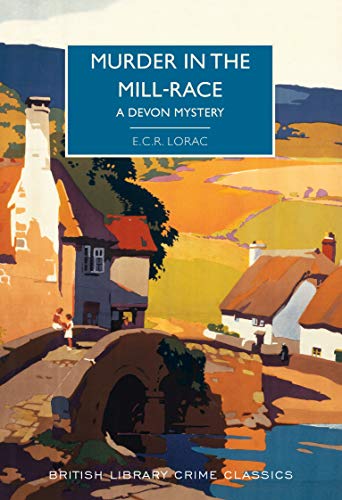
  6. Murder in the Mill Race by E C R Lorac

Six Authors New to me

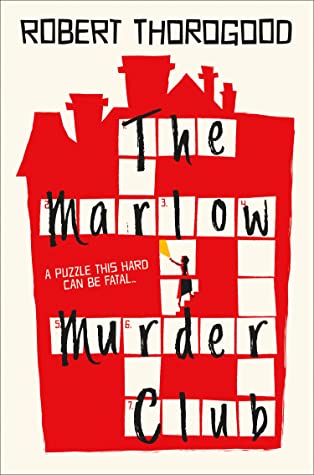
  1. The Marlow Murder Club by Robert Thoroughgood
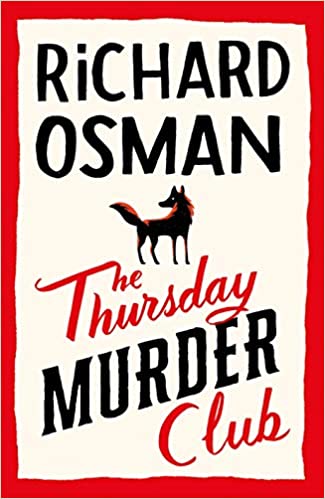
  2. The Thursday Murder Club  by Richard Osman
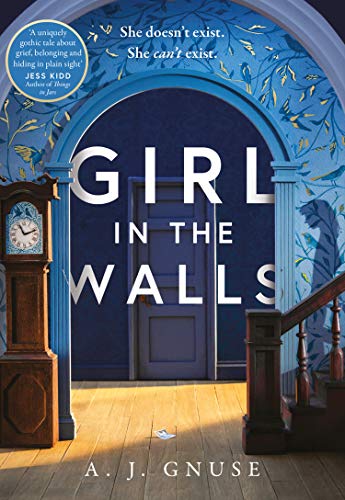
  3. Girl in the Walls by A L Gnuse
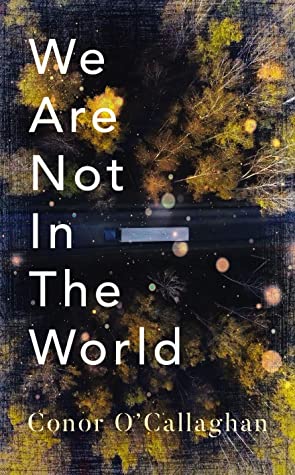
  4. We Are Not in the World by Conor O’Callaghan
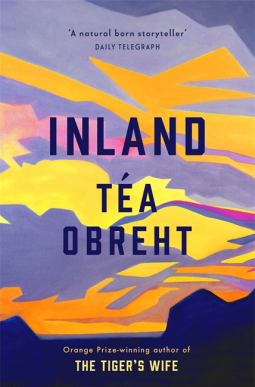
  5. Inland by Téa Obreht 
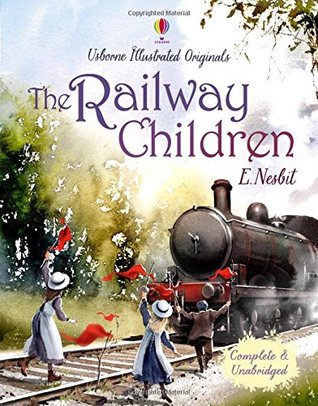
  6. The Railway Children by E Nesbit

Six books from the past that drew me back there

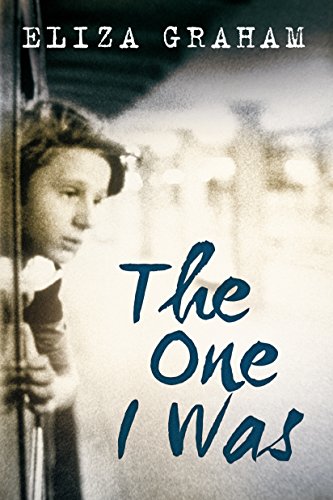
  1. The One I Was by Eliza Graham
  2. Orlando by Virginia Wood
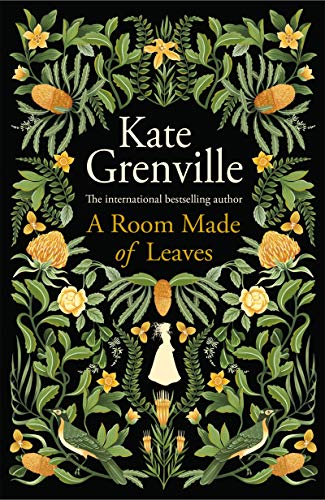
  3. A Room Made of Leaves by Kate Grenville
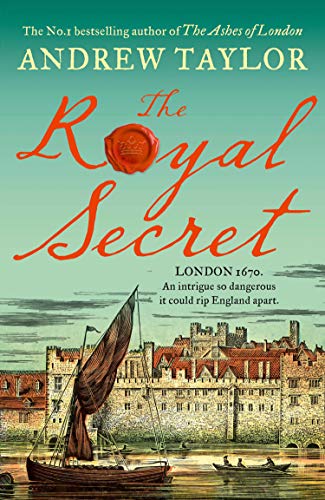
  4. The Royal Secret by Andrew Taylor
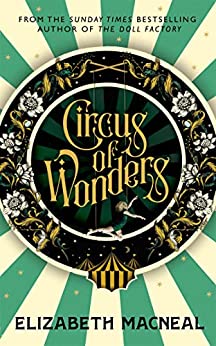
  5. Circus of Wonders by Elizabeth Mcneal
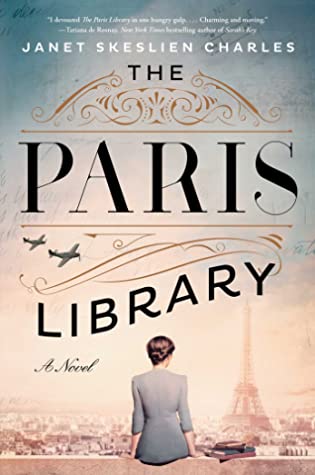
  6. The Paris Library by Janet Skeslien Charles

 Six Books I Read from My To Be Read List

  1. Measure of Malice edited by Martin Edwards
  2. Don’t Look Now by Daphne du Maurier
  3. The Moon Sister by Lucinda Riley
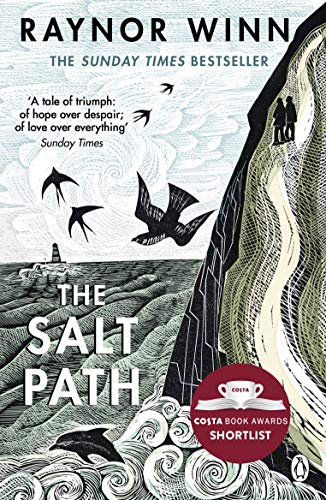
  4. The Salt Path by Raynor Winn
  5. English Pastoral by James Rebanks
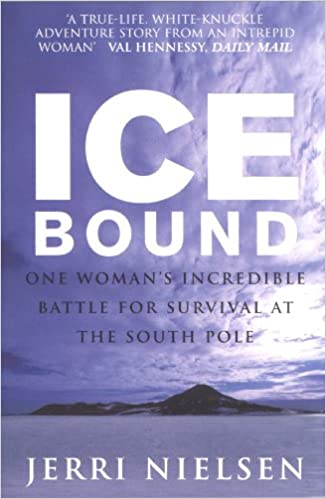
  6. Ice Bound by Jerri Nelson

Six  Books I’ve Read But Not Reviewed

  1. For the Record by David Cameron
  2. Not Dark Yet by Peter Robinson
  3. A Life on Our Planet by David Attenborough
  4. The Lieutenant by Kate Grenville
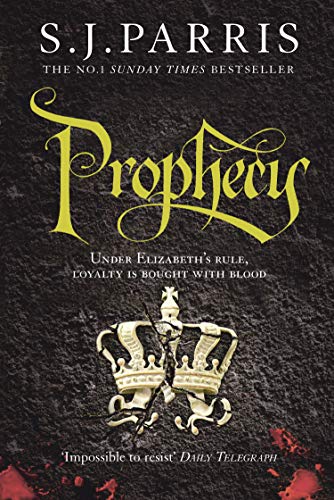
  5. Prophecy by S J Parris
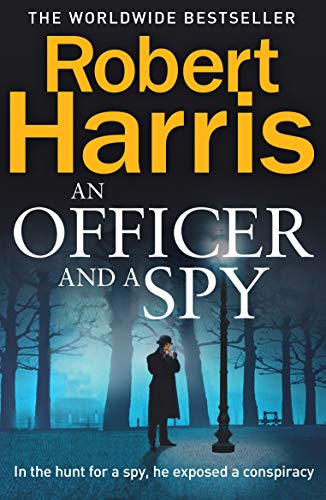
  6. An Officer and a Spy by Robert Harris

Six authors I read last year – but not so far this year and their books I have on my shelves to read

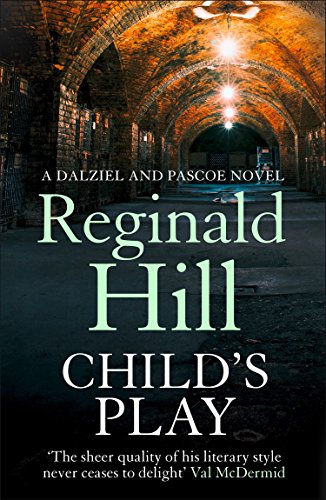
  1. Reginald Hill – Child’s Play
  2. Georges Simenon – Night at the Crossroads
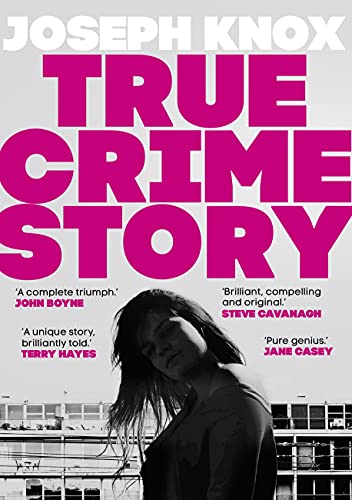
  3. Joseph Knox – True Crime Story
  4. Anthony Horowitz – A Line to Kill
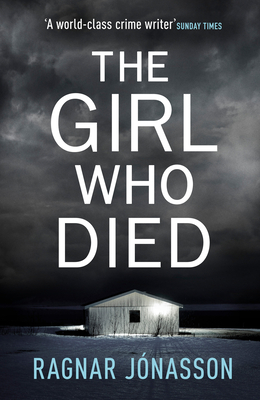
  5. Ragnar Jonasson – The Girl Who Died
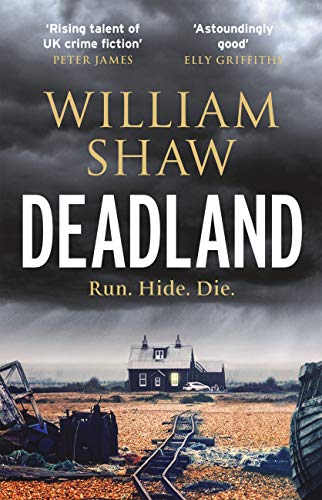
  6. William Shaw – Deadland

How is your reading going this year? Do let me know if you take part in Six in Six too.