Weekend Cooking

Weekend Cooking is open to anyone who has any kind of food-related post to share: Book (novel, nonfiction) reviews, cookbook reviews, movie reviews, recipes, random thoughts, gadgets, fabulous quotations, photographs. For more information, see the welcome post.

Salmon and Broccoli Fishcakes, or how to make a mess in the kitchen.

Simply steam the salmon in the microwave with a bay leaf and a little white wine. When cooked, flake into small pieces.

Add some  cooked broccoli florets and cooked mashed potato, salt and pepper, mixed herbs and an egg yolk.

With damp hands form into whatever size cakes you want, coat in flour, dip into beaten egg white and coat in breadcrumbs.

Then fry, turning once, until golden brown and crisp, drain on kitchen paper.

You then have sticky, eggy, breadcrumby hands and a mess in the kitchen as well as delicious fishcakes.

Weekend Cooking – French Cookbooks

Last week for my Weekend Cooking post I wrote about Italian cookbooks, so this week I thought I’d stay on the Continent and write about my French cookbooks. I only have four – two over 20 years old and two more recent. Three are by British food writers and one by a French woman writer.

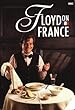
The first one is Floyd on France – an old book with a photo of a young (well youngish) Keith Floyd on the cover. It was published in 1987 by the BBC based on his BBC 2 series of the same name. Keith Floyd hosted many TV programmes on cooking, combining food and travel. He died last September. This book includes his personal selection of some of his favourite French dishes. They’re French provincial  recipes.

After a description of the “Principal Gastronomic Regions of France” the book follows the standard cookbook formula of recipes of Soups, Vegetables, Fish, Meat etc; recipes such as Shrimp Bisque made with live grey shrimps (I’ll never attempt that!) from Charente, a variety of omelettes, Carp in Wine Sauce from Burgundy,  Jugged Hare with Tiny Dumplings from Alsace, and Nut Tart from Perigord.

I’m going to make his Leek Pie (from Charente) tomorrow.

 (Click on the photo to see the recipe.)

Next The Frenchwoman’s Kitchen by Brigitte Tilleray, published in 1990. The brief biographical details given in the book are that she was born in Normandy and was a journalist before writing books on food. This is a beautiful book, one I love to peruse, admiring the photos of food and of France. It’s arranged by regions with information about the land and the people as well as recipes – such as Escargots Baked in a Wine Sauce from West France, Spicy Pear Pie from Normandy and Chicken with Cepes from The Pyrénéés .

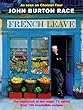
French Leave by John Burton Race is an account of 2002, the year he and his family spent living in a farmhouse in the south-west of France. Another book full of beautiful photos and recipes. John is a two Michelin  star chef, who was once a sous chef at Raymond Blanc’s Le Manoir aux Quat’ Saisons, before opening his own restaurants. His book follows the seasons from Autumn to Spring, with recipes such as Cauliflower Soup with Truffle Oil, Loin of Veal with Pieds de Mouton and Crepes Suzette.

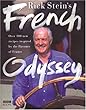
And last but not least Rick Stein’s French Odyssey. This is the book of Rick’s “journey of gastronique discovery from Padstow to Bordeaux and then on to Marseille”. It’s divided into a diary section and recipe chapters arranged by courses. Rick is one of my favourite TV chefs, and I would love to eat in one of his seafood restaurants in Padstow in Cornwall. There are recipes for classic French dishes such as Vichyssoise, Bouillabaisse, Cassoulet and Tarte Tatin as well as “new takes on traditional ingredients”, such as Fillets of John Dory with Cucumber and Noilly Prat and Prune and Almond Tart with Armagnac.

Visit Beth Fish Reads for other bloggers who are participating in Weekend Cooking.

Weekend Cooking – Family Recipes

I’ve been watching BBC 1’s series The Hairy Bikers – Mums Know Best, which has made me think about my family’s recipes. I have my Mum’s recipe book. She didn’t really need recipes as much of what she cooked was by instinct. Even though the recipes give quantities in pounds and ounces she didn’t use scales, but measured ingredients by spoonfuls until she thought it was right. In fact she didn’t use recipes much at all – there are no meat or poultry recipes in her book and the only fish recipe is for cooking salmon – which is so brief – – “to cook half and hour to three quarters”. There are jam recipes and one for Green Tomato Chutney.

The majority of the recipes are for cakes and biscuits – Lunch Cake, made with lemon and sultanas, Ginger Cake, various Fruit Cakes, a Swiss Roll – made with dried egg, Chocolate Cake, Date Loaf, Bakewell Tart, Bun Loaf, Malt Loaves, Parkin and an Easter Cake which is rolled out when mixed and baked on a greased oven plate and which I don’t remember her making.

One of my favourites is Parkin, made with medium oatmeal, brown sugar, margarine, lard, flour, syrup or treacle, baking powder, ground ginger, milk and water.

 I loved this!

Visit Beth Fish Reads for other bloggers who are participating in Weekend Cooking.

Weekend Cooking: Italian Cookbooks

Weekend Cooking is hosted by Beth Fish Reads. It’s open to anyone who has any kind of food-related post to share: Book (novel, nonfiction) reviews, cookbook reviews, movie reviews, recipes, random thoughts, gadgets, fabulous quotations, photographs.  For more information, see the welcome post.

I love Italian food. I have a few books such as Jamie’s Italy, the two River Cafe Cookbooks by Rose Gray and Ruth Rogers and Perfect Pasta by Anne Willan, but my favourite books to look at with longing are The Love of Italian Cooking by Mary Reynolds and The Heritage of Italian Cooking by Lorenza De’Medici.

The Love of Italian Cooking, now out of print was a birthday present from my son:

What I like, apart from the recipes and colour photos is the description of the various regions of Italy, highlighting their traditions and specialities, from Sicily and Sardinia moving north through the country to Piemonte in the north-west corner.

One of my favourite recipes in this book is Minestrone Alla Casalinga in the chapter on Lombardy, a large region that includes most of the Italian lakes. It stretches from the Alps in the north to the valley of the River Po in the south. It takes hours to make, plus the time overnight to soak the haricot beans and is very filling. If you click on the photo below you may be able to see the recipe, but if not here are the ingredients – haricot beans, onion, garlic, bacon rashers,  tomatoes, carrots, potatoes, turnip, celery, cabbage, macaroni pieces or small pasta (shells, stars etc), fresh marjoram and parsley, pepper and water.

Minestrone Alla Casalinga

Saute the onions, garlic and bacon for a few minutes, add water, tomatoes (skinned, seeded and chopped) and marjoram and parsley and simmer for 2 hours uncovered. Add the other ingredients – carrots (diced) first for 10 minutes then everything else sliced, diced or shredded and cook until tender. Stir in grated parmesan to taste.

I’ve made it without the bacon and with different vegetables, according to what I have at the time – I suppose then you could call it Minestrone Alla Margherita or Margaret’s Minestrone.

The Heritage of Italian Cooking is also out of print, but used copies are available. It is a most beautiful book, lavishly illustrated with not only photos of fantastic food, but also Italian Renaissance paintings of banquets, illuminated manuscripts, still-life, harvest-time and rural scenes. There are recipes from Renaissance menus, old diaries and Italian cookbooks  – traditional and modern recipes. It really is a sumptuous display of Italian food. A lovely book just to look at and read and also to inspire me to cook.

It’s arranged by type of dish, including chapters ranging from Antipasti and Pasta to Desserts, Breads and Menus. Here are a few photos from the book:

What am I cooking today? Even after looking at all this Italian food, I have to admit that later I’ll be cooking British roast beef with yorkshire puddings, roast potatoes and sprouts.

Weekend Cooking: Soup

Weekend Cooking is hosted by Beth Fish Reads. It’s open to anyone who has any kind of food-related post to share: Book (novel, nonfiction) reviews, cookbook reviews, movie reviews, recipes, random thoughts, gadgets, fabulous quotations, photographs.  For more information, see the welcome post.

One of my favourite cookery books is The Soup Bible and I’ve made, or adapted several of the recipes in it over the last few years. The book has sections on Light and Refreshing Soups, Rich and Creamy Soups, Winter Warming Soups, Hearty Lunch & supper Soups, On-Pot-Meal Soups and Special Occasion Soups. There are recipes from all round the world.

This week I had some asparagus in the fridge that had been there a few days – still within the use by date  – so I thought I’d do something different with it. It seemed a shame to chop asparagus up and make soup with it but as it was a few days old I did just that. And it was absolutely delicious.

To make it I chose the Asparagus Soup with Crab recipe in the Special Occasion Soups section of The Soup Bible and made it without the crab meat. It was really easy and kept the pure taste of the asparagus! This is my adaptation:

Serves 6 – 8

  • 1.5 kg of fresh asparagus
  • 25 g butter
  • 1.5 litres of chicken stock
  • 2 tbs flour
  • Salt and freshly ground black pepper


  • Trim the woody ends from the bottom of the asparagus spears and cut into 2.5cm pieces.
  • Melt the butter in a heavy saucepan over a medium-high heat, add the asparagus and cook for 5 minutes, stirring frequently until it is bright green, not browned.
  • Add the flour and stir. Then add the stock and bring to the boil, then simmer for a few minutes until the asparagus is tender, but still crisp.
  • Season and cook for about 15 minutes until the asparagus is tender.
  • Puree in a blender or food processor.
  • Add the asparagus tips and serve with crusty bread.

If you want to do it like the recipe you need to thicken it with cornflour mixed with a little water (not the plain flour I used) after it has simmered and add half a cup of whipping cream and 6 -7 oz of white crab meat. I didn’t have the cream or the crab and it delicious without them.

Hot!

btt button

Now that summer is here (in the northern hemisphere, anyway), what is the most ‘Summery’ book you can think of? The one that captures the essence of summer for you?

(I’m not asking for you to list your ideal ‘beach reading,’ you understand, but the book that you can read at any time of year but that evokes ‘summer.’)

It’s hot here, but not as hot as other parts of the world – but too hot for me anyway. Actually, this morning it’s dull but the forecast is for sun later on. Nothing came to mind when I read this question – no book leaped up to remind me of “the essence of summer” . Maybe it would be the books I read on holiday, but this question is not about “beach reading”.

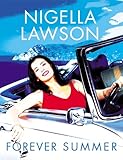
Then my husband came up with a perfect answer (why didn’t  I think of it?) – Forever Summer by Nigella Lawson. This is a beautiful book full of recipes that you can eat all year round reminding you of summer even in the darker days of winter. I love Nigella’s books as much for her writing as for her recipes:

Summer then, is an idea, a memory, a hopeful projection. Sometimes when it’s grey outside and cold within, we need to conjure up the sun, some light, a lazy feeling of having all the wide-skied time in the world to sit back and eat warmly with friends. I’m not talking about creating some overblown idyll of perpetual Provencal summer, but of extending that purring sense of sunny expansiveness.

In this book are recipes for pasta dishes, salads, Spanish, Italian, Eastern Mediterranean recipes and so on – wonderful desserts, ice creams and summer drinks. Imagine The Ultimate Greek Salad, Red Mullet with Sweet and Sour Shredded Salad, followed by Figs for a Thousand and One Nights, Slut-Red Raspberries in Chardonnay Jelly, Arabian Pancakes with Orange -Flower Syrup, or Margarita Ice Cream!

grk-salad

 red-mullet

margarita-ice-cream