Yesterday I finished reading An Elegy for Easterly by Petina Gappah. My copy, via LibraryThing’s Early Reviewer’s Programme, is an uncorrected proof and is not for quotation, so no quotes in this post.
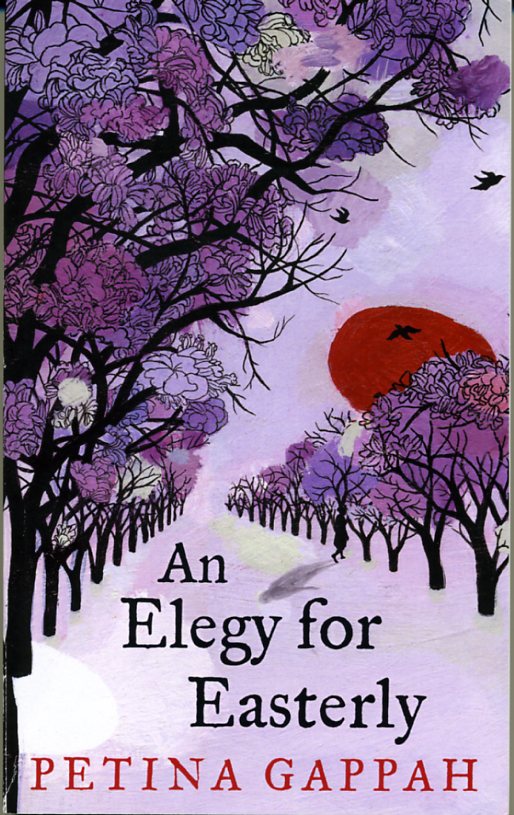
This book has one of the most attractive covers I’ve seen for a while – the colours as well as the trees receding into infinity.
I sometimes don’t get on very well with collections of short stories but these are long enough for the characters to be more developed and the stories to be more satisfying than others I’ve read. But several I though would be even better developed as full length novels. They are about the lives of people in Zimbabwe, struggling to live with escalating inflation, where a loaf of bread costs half a million dollars, of corruption, scams, disappointed lives, unfulfilled dreams and broken promises. They paint a bleak picture of the resilence and resistance of people in extreme circumstances, coping with despair.
Something Nice From London is one of the most poignant tales. Relatives living in England often sent something special to their families back home but one family are waiting at Harare airport for something different – the arrival of Peter who died in London. His cousin, also living in England keeps promising his body will be on the flight. Peter was the golden boy and much was expected of him. This is the story of unfulfilled ambition and expection. Because you’re not allowed to speak ill of the dead, the family have to forget how he bled them dry with constant demands for more money to pay his fees and provide accommodation and food as they mourn his death. Eventually the body does arrive, but not how they expected.
I also enjoyed Our Man in Geneva Wins a Million Euros, the story of a diplomat conned by an internet scam. In At the Sound of the Last Post, a politician’s widow at her husband’s funeral ponders the corrupt society they’re living in as his collegues bury an empty coffin – her husband was not the national hero he was made out to be. Death and sickness figure quite prominently in most of the stories and the book as a whole, although laced through with ironic humour, is a lament – a lament for Zimbabwe and its suffering people.



 BooksPlease